
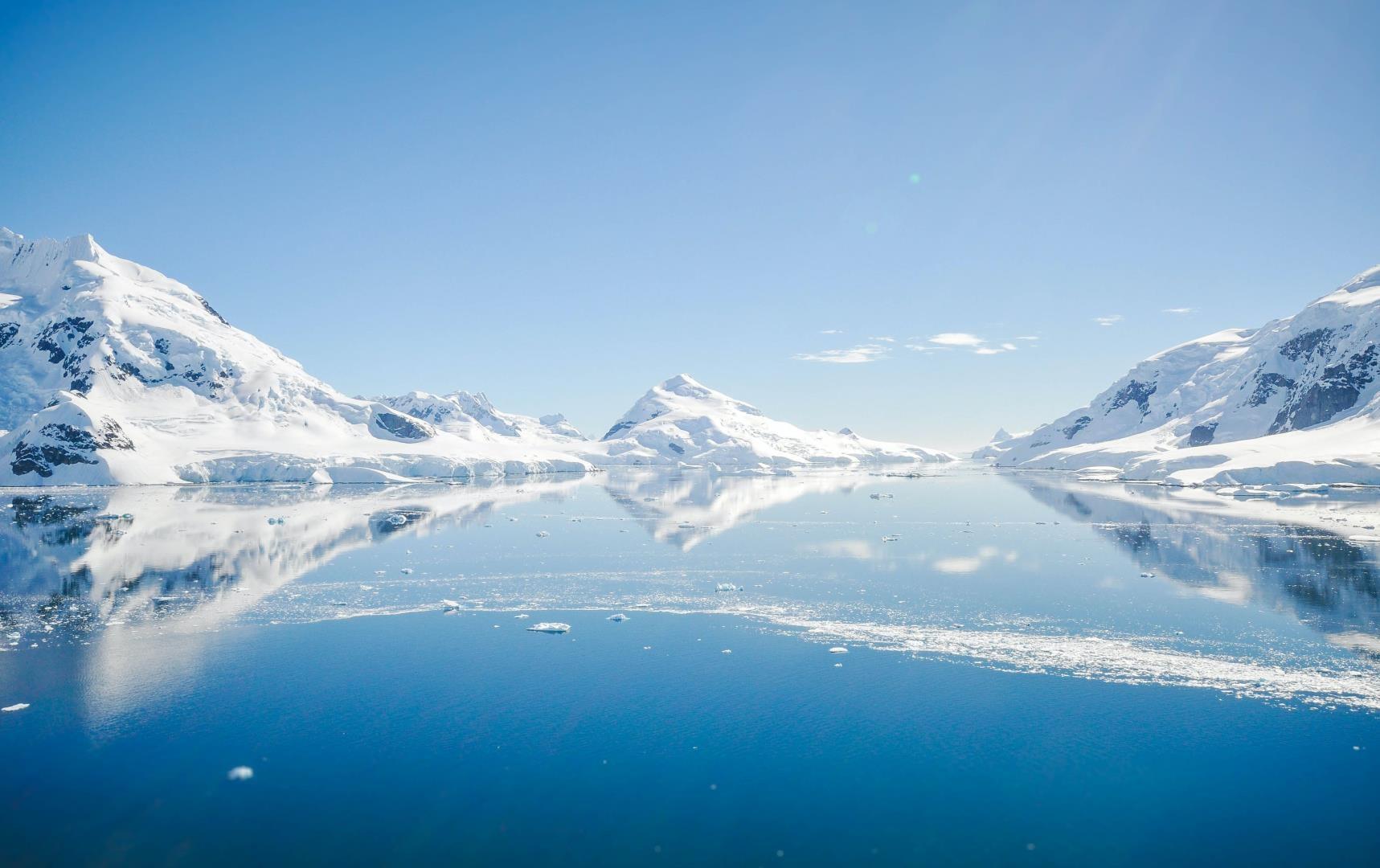
South Shetland Islands
Mist, research stations, and penguins are just a few of the things that define the South Shetland Islands, an archipelago off the coast of Antarctica. These 11 Antarctic islands, most notably King George Island, have served as a base for researchers from Chile, Argentina, and a variety of other countries. The archipelago has also become a popular cruise destination for tourists to the Antarctic region.
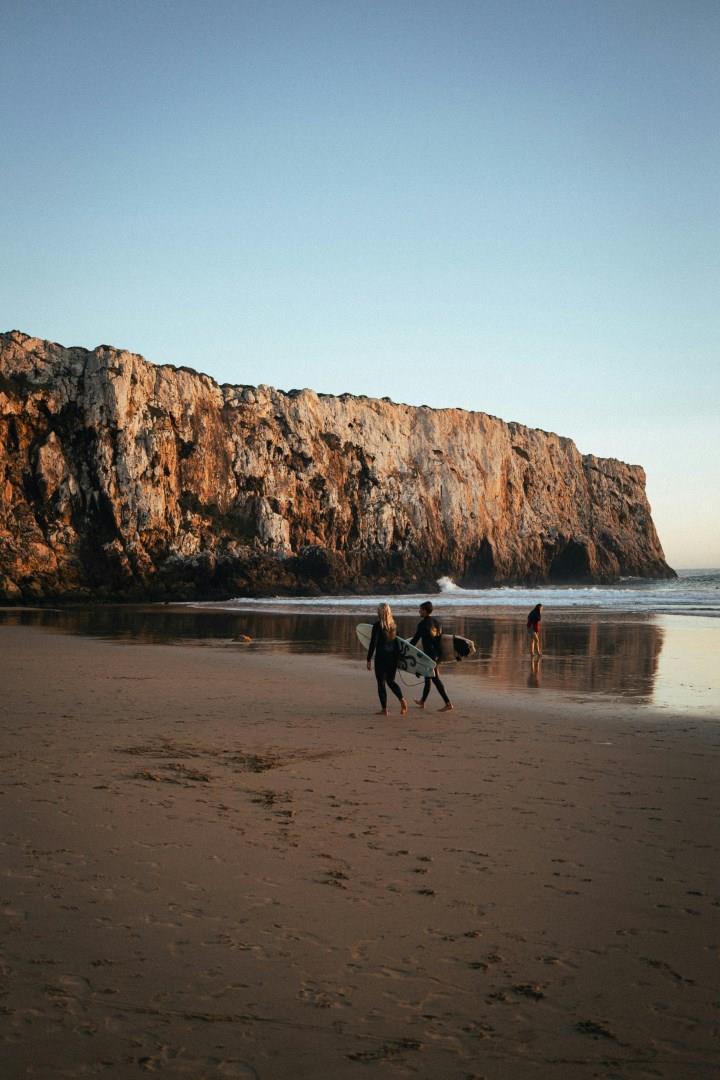
Sagres
Sagres sits at the southwestern edge of continental Europe in Portugal’s Algarve region, where the Atlantic’s wide horizon meets rugged cliffs and open skies. For centuries this point was linked to maritime adventure and visitors can still feel that sense of discovery in the air. Here, people like Prince Henry the Navigator gathered cartographers, shipbuilders and astronomers in the 1400s to push beyond maps of the known world and shape the early Age of Discovery from Sagres’ dramatic headlands.

Fort Lauderdale
Fort Lauderdale is known for its sun-soaked beaches, diverse culture, and network of scenic canals that stretch over 300 miles. Visitors can take a water taxi or book a sunset cruise to explore the city from a different perspective.

Monkey Mia
Monkey Mia, located within the Shark Bay World Heritage Area on the western coast of Australia, is a serene paradise known for its world-famous wild dolphin encounters. This remote coastal gem, surrounded by the turquoise waters of the Indian Ocean, invites visitors to experience up-close interactions with bottlenose dolphins in their natural habitat. For over 50 years, these dolphins have made daily visits to Monkey Mia’s shores, creating a unique tradition that brings awe to travelers.
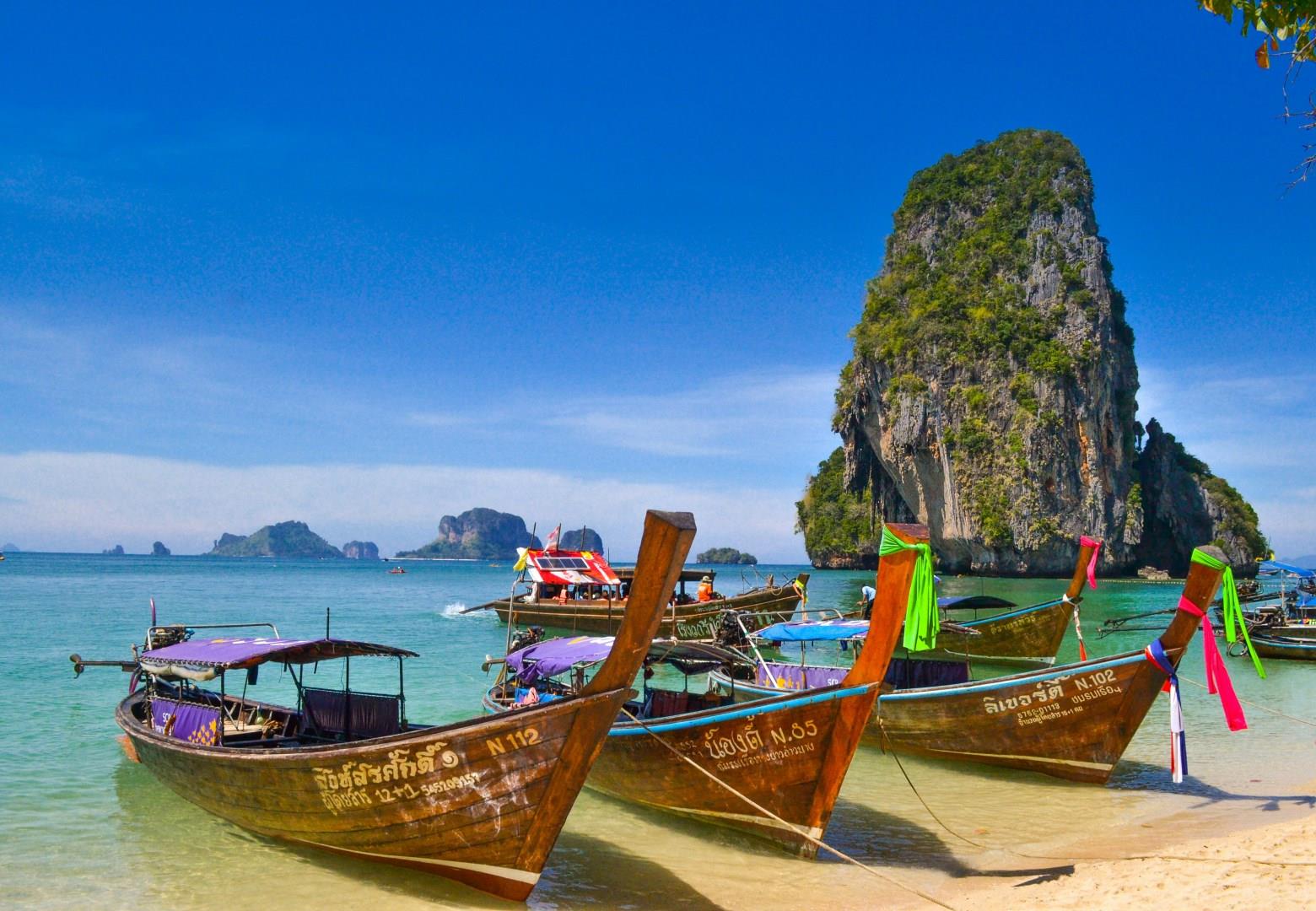
Krabi
Krabi, located on the southwest coast of Thailand, is known for its towering limestone cliffs, warm Andaman waters, and a coastline dotted with over 150 islands. One of its most iconic sites is Railay Beach, which is accessible only by boat due to the cliffs that cut it off from the mainland. Railay is famous among rock climbers for its natural limestone formations, some of which hang directly over the sea.
