

Bhutan
Bhutan, often called the “Land of the Thunder Dragon,” is a Himalayan kingdom known for its dramatic landscapes and deeply rooted traditions. Towering peaks, forested valleys, and winding rivers set the stage for a country that has long prioritized harmony between nature and culture.

Dendera
Located on the west bank of the Nile, Dendera is home to the famous Dendera Temple Complex, one of the best-preserved ancient Egyptian temples. The Temple of Hathor features impressive reliefs and intricate carvings that draw visitors interested in Egyptology and ancient history.
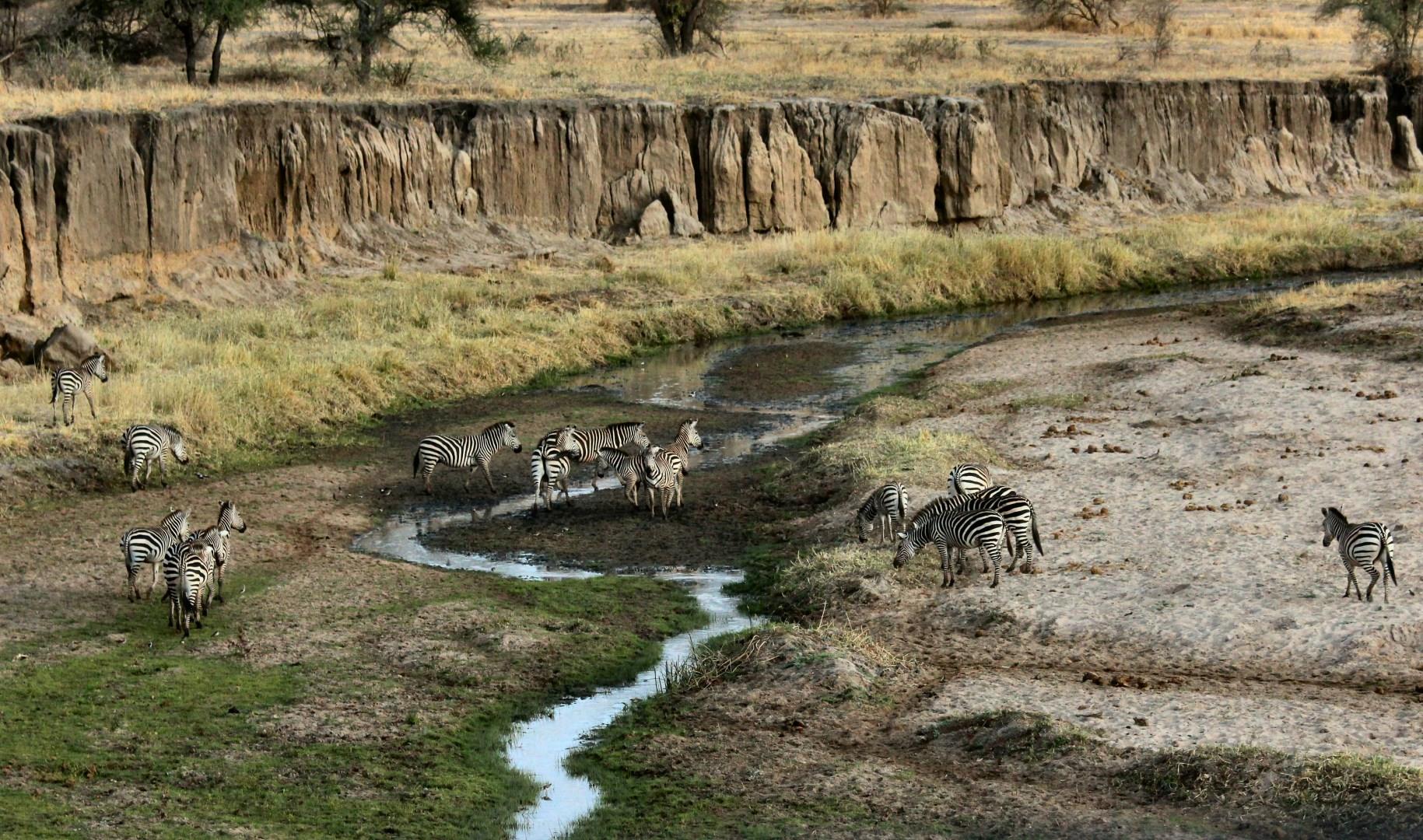
Tarangire National Park
Tarangire National Park, a stunning gem in northern Tanzania, offers an unparalleled safari experience amid its diverse landscapes and wildlife. Renowned for its dense population of elephants, the park's vast baobab-studded plains and swamps create a dramatic setting that brings you face-to-face with these magnificent creatures. The park is home to over 300 bird species, including the strikingly beautiful Lilac-breasted Roller and the majestic Secretary Bird.

Whittier
Whittier is the perfect place to explore Alaska's natural beauty, providing access to nearby Emerald Cove Trail and Portage Pass Trail as well as Chugach State Park further northwest.
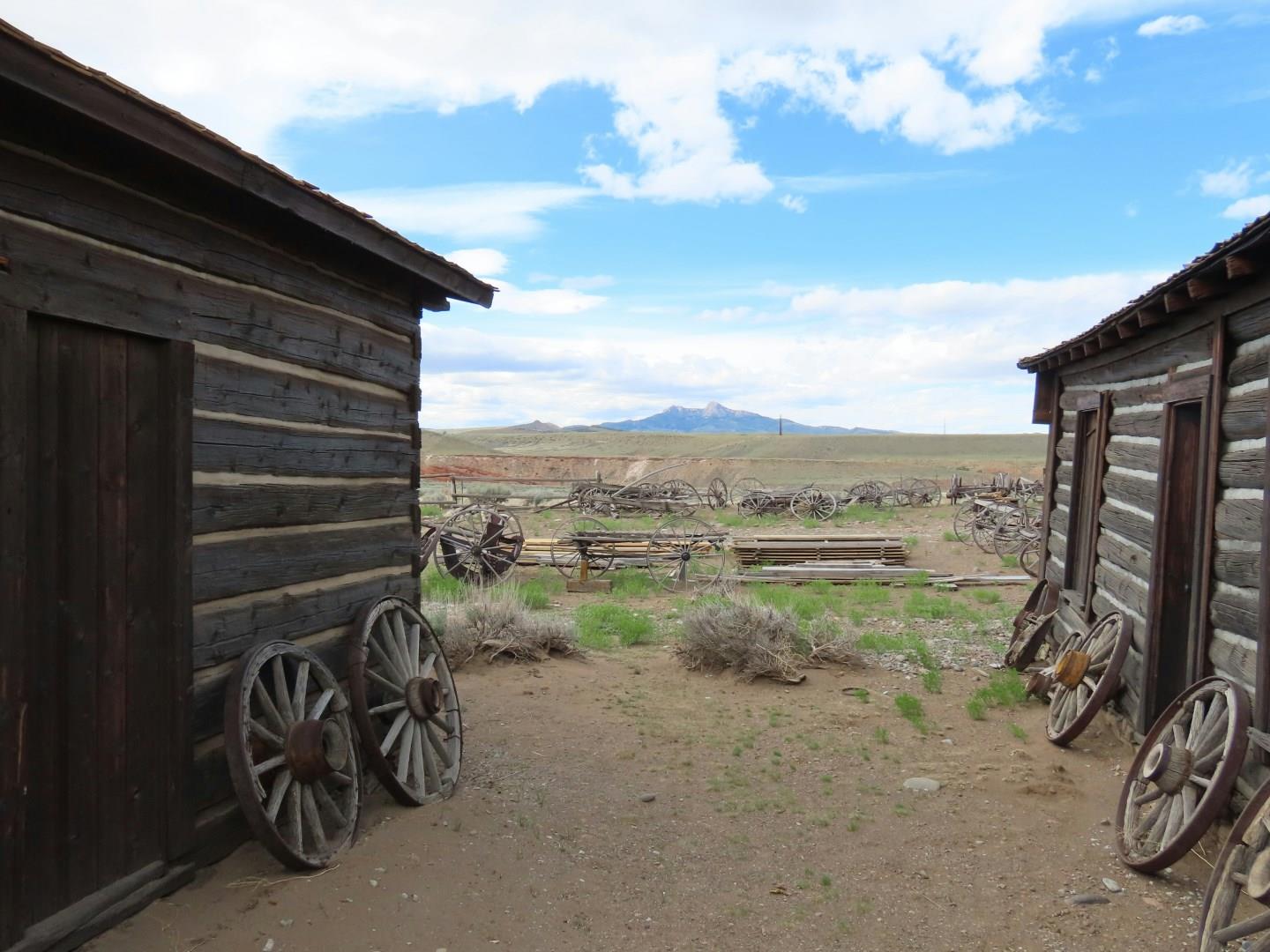
Cody
Cody, Wyoming, is a gateway to the American West, known for its connection to the legendary Buffalo Bill Cody and the pioneering spirit of the region.
