
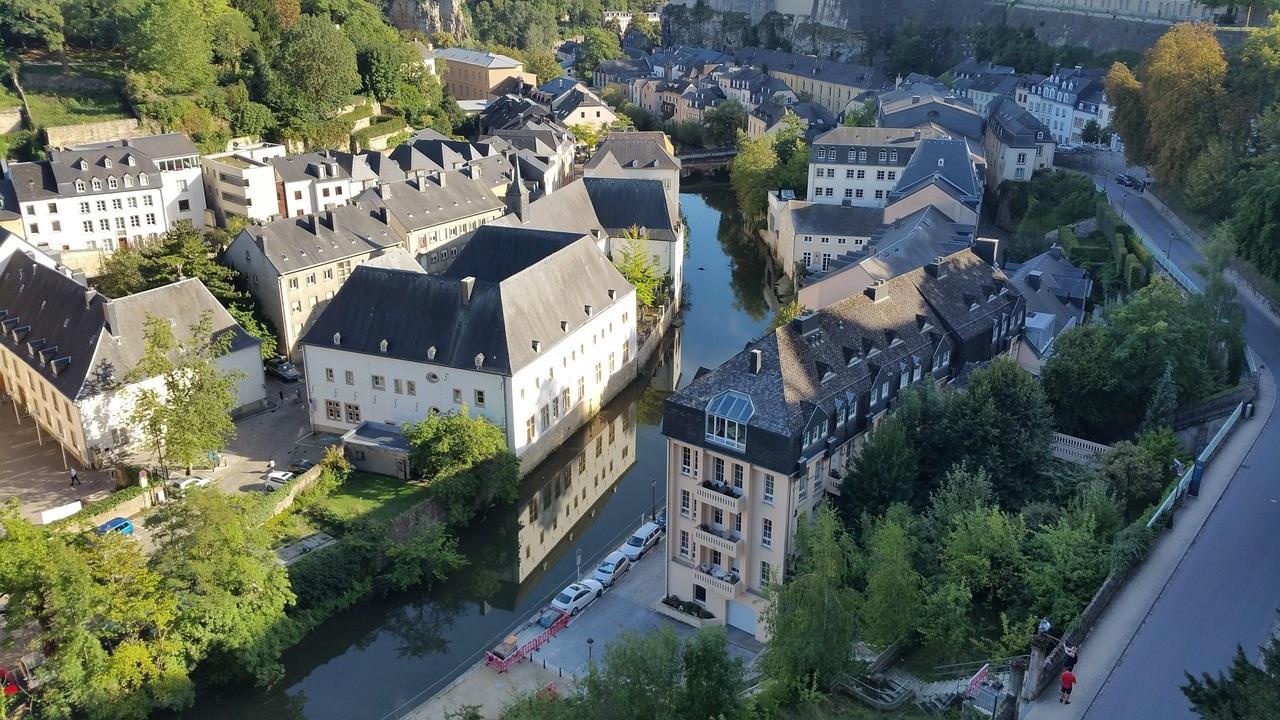
Luxembourg
Luxembourg, a small yet influential country in the heart of Europe, offers visitors a rich blend of historic sites and contemporary culture. The capital city, Luxembourg City, is famous for its dramatic cliffs and ancient fortifications that have earned it a UNESCO World Heritage status. Walking through the old quarters, visitors can explore the casemates that reveal layers of the city’s military past.

Noumea
Nouméa, the vibrant capital of New Caledonia, offers a captivating mix of French sophistication and Pacific charm. This bustling city is renowned for its beautiful beaches, such as Anse Vata, where turquoise waters and white sand invite relaxation and water sports.

Pilsen
Pilsen, located in the western part of the Czech Republic, is renowned for its rich history and vibrant cultural scene. The city is best known as the birthplace of Pilsner beer, a name synonymous with the iconic pale lager that has become a global standard.

Salisbury
Salisbury, nestled in the heart of Wiltshire, England, is a city rich with history and charm. Dominated by the stunning Salisbury Cathedral, this medieval masterpiece boasts the tallest spire in the UK, reaching 123 meters (404 feet). The Cathedral houses one of the original copies of the Magna Carta, an essential document in English history. Visitors can explore the intricate Gothic architecture, serene cloisters, and the captivating Chapter House where the Magna Carta is displayed.

Kangerlussuaq
Kangerlussuaq, Greenland, is a gateway to the stunning Arctic wilderness and an essential stop for any intrepid traveler seeking adventure in the icy realms of the north. This remote town, located on the western coast of Greenland, is renowned for its dramatic landscapes, including the vast Søndre Strømfjord, one of the longest fjords in the world.
