

Sihanoukville
Nestled along Cambodia’s picturesque coastline, Sihanoukville offers an inviting retreat with its stunning beaches and vibrant culture. This coastal city, named after King Norodom Sihanouk, is renowned for its pristine white sand beaches and turquoise waters.

South Africa
South Africa is a country where landscapes and cultures unfold in remarkable variety. From the rugged cliffs of the Cape of Good Hope to the open plains of Kruger National Park, it offers experiences shaped by both nature and history.

Saudi Arabia
Saudi Arabia is revealing chapters long unseen by tourists. Al-Ula is home to Hegra, the first UNESCO World Heritage Site in the kingdom and hosts to ancient Nabatean tombs carved in sandstone cliffs. Nearby, the mirrored Maraya Concert Hall reflects the desert sky, its design both unexpected and elegant amid the sands. Visitors can wander through narrow canyons, step inside rock-hewn facades, and feel the weight of ancient civilizations still echoing across the dunes.
Dingboche
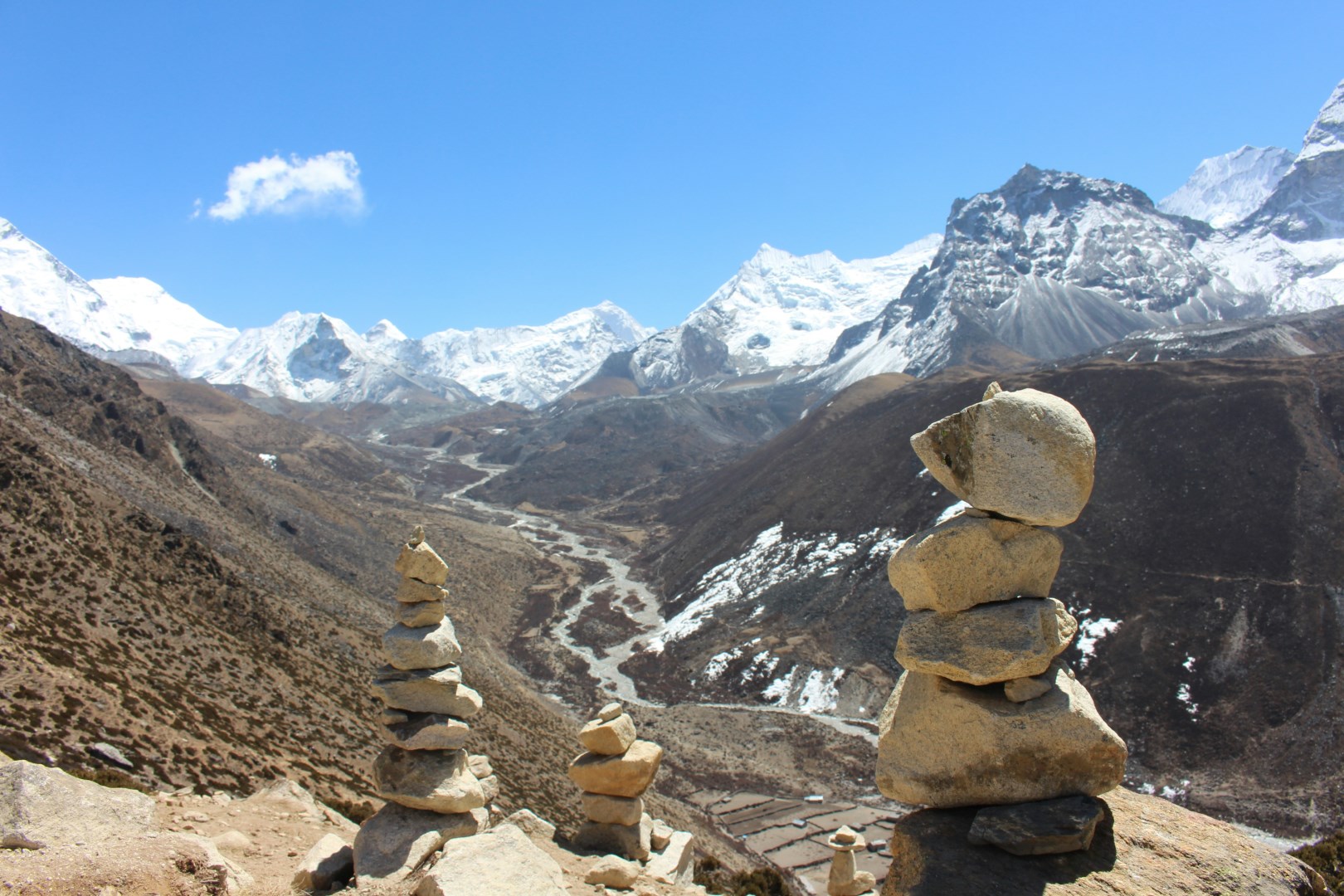
Set in a wide valley beneath towering Himalayan peaks, Dingboche offers a striking pause along the route toward Mount Everest. Unlike the narrower trails below, Dingboche opens into a broad landscape framed by snow-covered giants such as Ama Dablam and Lhotse. The village sits high above the tree line, where the air feels thin and clear, and the surrounding terrain shifts from forested slopes to open alpine ground.
Socotra
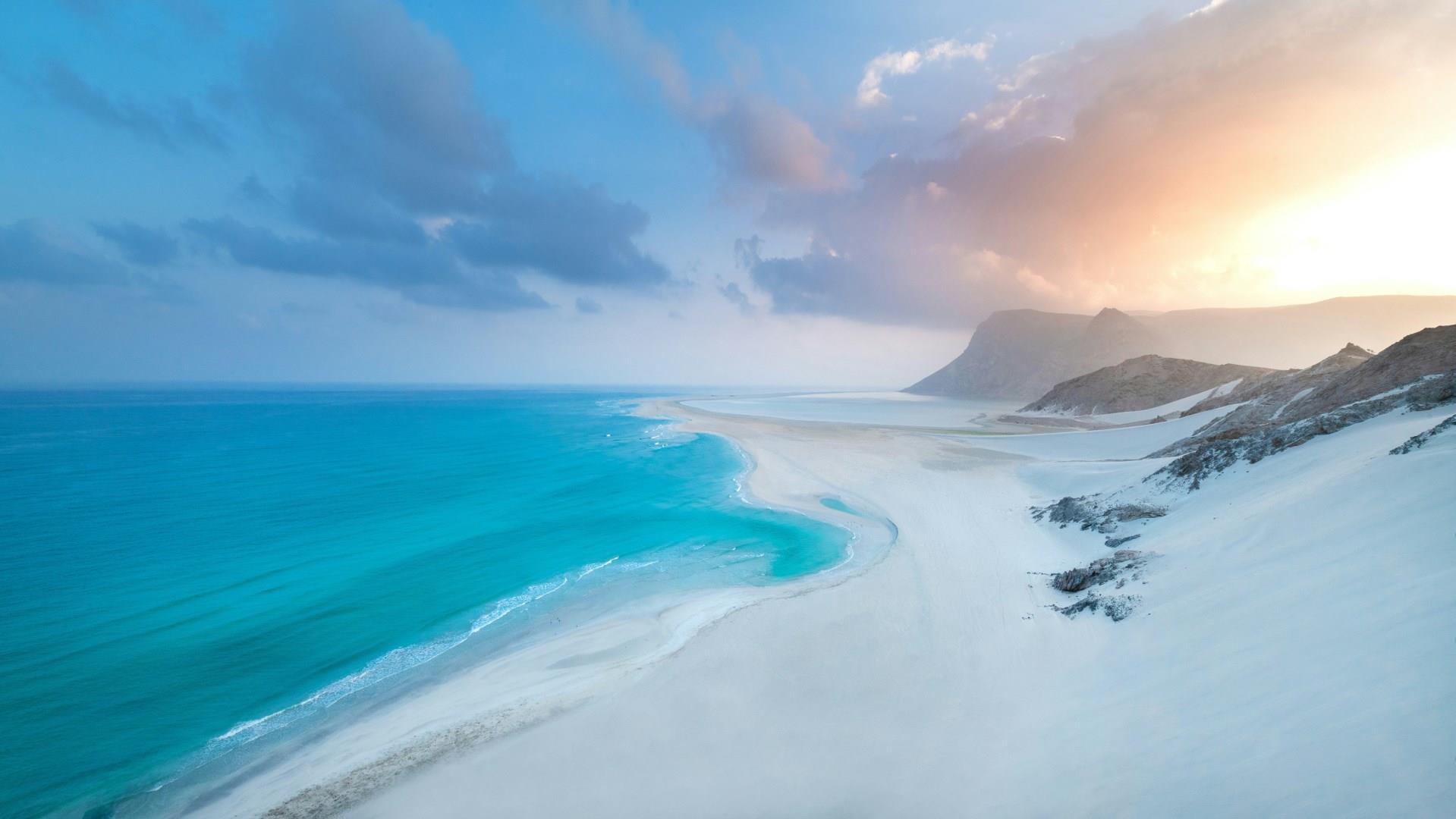
Socotra rises from the Arabian Sea like a world apart, its landscapes shaped over millennia. The Dragon’s Blood Trees, with their umbrella-shaped crowns and deep red sap, stand among the most iconic sights here. In places like Dixam Plateau and Homhil Forest, these trees gather in sparse formations, creating scenes that feel both ancient and alien. The resin remains valued for traditional dyes and remedies.
