

New Zealand
New Zealand is a land of breathtaking landscapes and memorable cultural experiences. Located in the South Pacific, this island nation is famed for its dramatic mountain ranges, pristine beaches, and rolling farmlands. With its beauty, welcoming culture, and endless opportunities for adventure, New Zealand is sure to captivate travelers from around the globe.

Las Vegas
Las Vegas, Nevada, is an electrifying city where glitz and glamour meet entertainment and excitement. Known as "The Entertainment Capital of the World," Las Vegas offers an unparalleled array of attractions, from its iconic casinos and luxurious hotels to its world-class dining and live shows. The city's entertainment scene is second to none, featuring legendary headliners, cutting-edge performances, and an array of themed attractions.
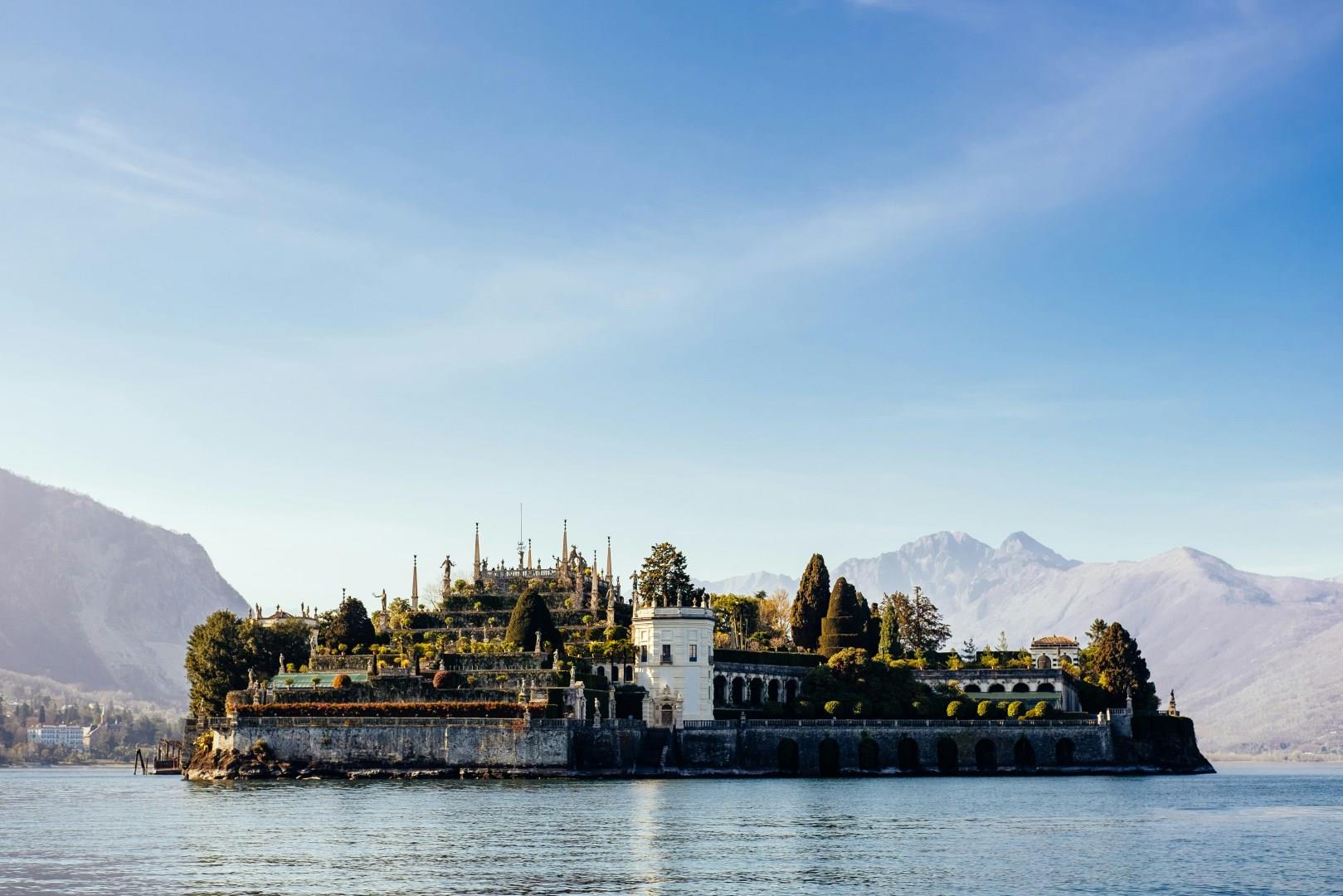
Lake Maggiore
Lake Maggiore, straddling the border of northern Italy and southern Switzerland, is the second-largest lake in Italy and one of the most scenically diverse. Surrounded by Alpine peaks and dotted with elegant towns, the lake has attracted visitors for centuries, including literary figures like Stendhal and Ernest Hemingway. The western shore is home to the Borromean Islands, a group of three small islands known for palaces, terraced gardens, and white peacocks that roam freely across the lawns.
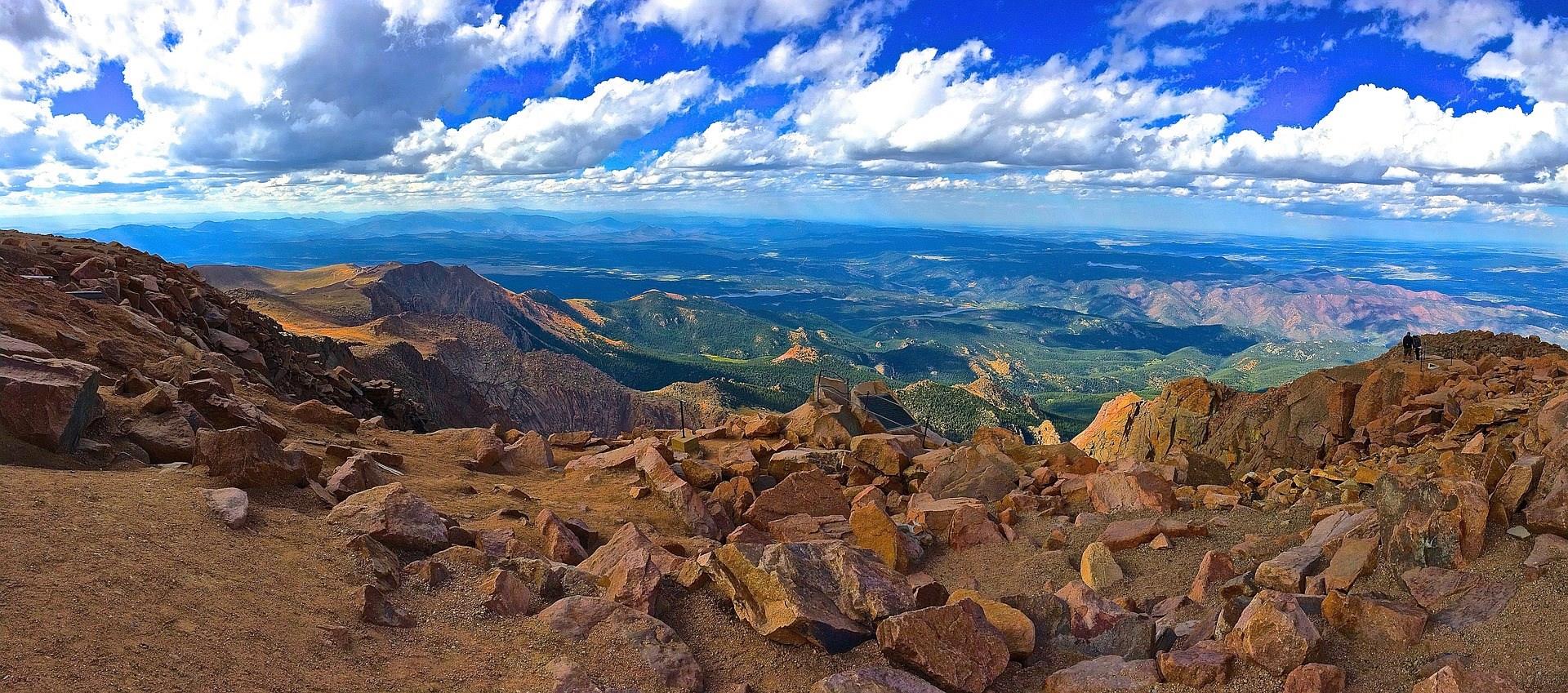
Pike's Peak
Pikes Peak, located in the heart of Colorado's Rocky Mountains, offers visitors an awe-inspiring natural experience. The Pikes Peak Highway, which ascends to the summit, allows travelers to reach the top by car, making it a popular choice for those looking to experience high-altitude vistas without the strenuous hike.

Latvia
Latvia invites visitors to explore a land where medieval streets meet vast forests and a lively coastline. Riga, the country’s capital, is home to one of the largest and best-preserved collections of Art Nouveau architecture in Europe. Walking through the Old Town, visitors can admire intricate facades and cobblestone streets that lead to landmarks like the House of Blackheads and St. Peter’s Church, whose tower offers panoramic views of the city.
