

Cape Horn
Located off the southern coast of Chile, Cape Horn is a coastal headland on Isla Hornos, the southernmost island in the Tierra del Fuego archipelago. The Cape Horn Monument provides a spectacular panoramic view of the Pacific and Atlantic Oceans. This rocky cliffside is a popular stop for Antarctic and South American cruises.

Matera
Matera, one of Italy's most enchanting cities, is a living testament to human resilience and creativity. Nestled in the southern region of Basilicata, Matera is renowned for its ancient cave dwellings, known as the Sassi. These prehistoric stone houses, carved directly into the limestone rock, date back thousands of years, making Matera one of the world's oldest continuously inhabited cities.

Kotor
This coastal town in Montenegro is part of the World Heritage Site dubbed the Natural and Culturo-Historical Region of Kotor. It holds several summer events, such as the Summer Carnival or Bokeljska Noc. One of the most notable and charming aspects of the town is the large population of cats that have become a symbol of the city.
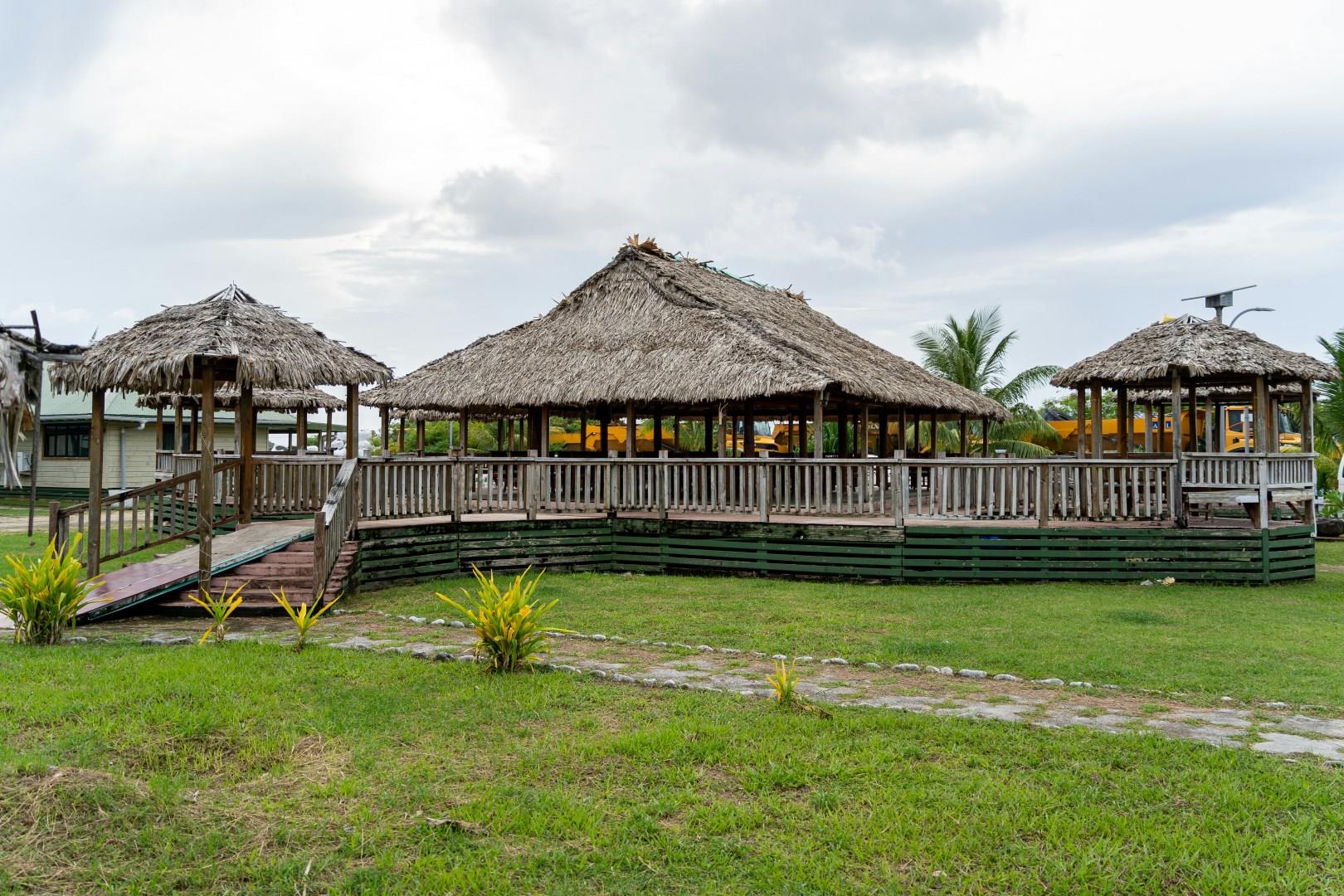
Funafuti Atoll
Funafuti Atoll, the capital of Tuvalu, is a narrow strip of land wrapped around a brilliant turquoise lagoon that stretches over 20 kilometers across. Despite being just 600 meters at its widest point, Funafuti is the heartbeat of the country, where government buildings, homes, schools, and the island’s only airport all coexist along sandy roads lined with coconut trees.

Warsaw
Warsaw stands as one of Europe’s most resilient cities, having rebuilt itself almost entirely after World War II. The Old Town, meticulously reconstructed using paintings by Italian artist Bernardo Bellotto, feels centuries old but is, in fact, less than a hundred years in its current form. Behind the medieval facades lie stories of uprisings, resistance, and quiet defiance. Visitors walking through Castle Square can enter the Royal Castle, where Poland’s Constitution of May 3, 1791 was adopted.
