

Douala
Douala is Cameroon’s largest city and its economic powerhouse, but beyond the busy ports and bustling streets lies a city full of creativity, flavor, and unexpected charm. Located on the Atlantic coast, Douala has long served as a crossroads of cultures. The city's waterfront, especially along the Wouri River, is a great place to watch the movement of boats, local fishermen, and floating markets while soaking in the tropical coastal air.

Stavanger
The Port of Stavanger is a popular stop on the route to the Norwegian Fjords, and boasts a first-rate assortment of museums and cultural events. Old Stavanger has Europe’s best preserved wooden house settlement.
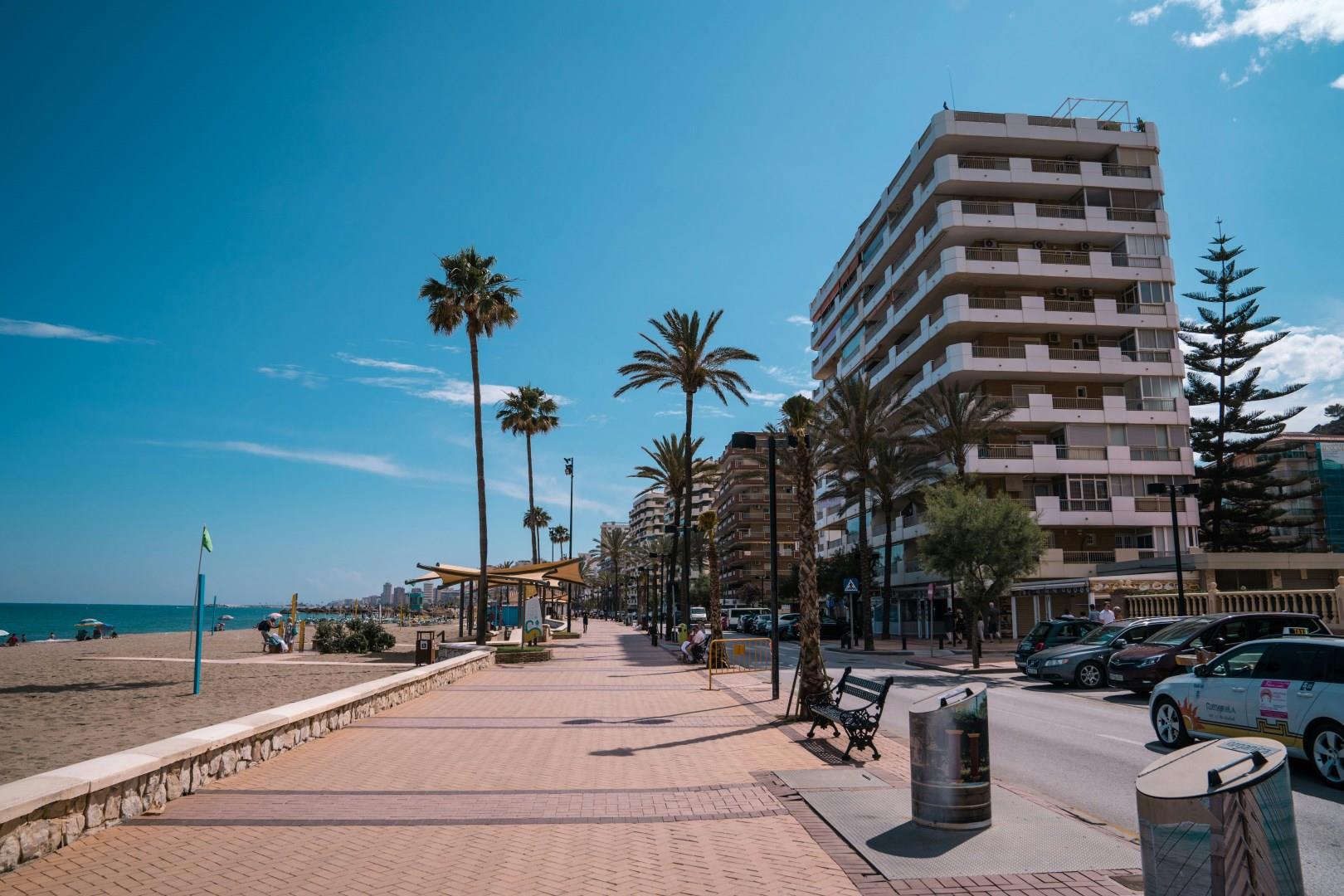
Costa del Sol
The Costa del Sol, stretching along the southern coast of Spain in Andalusia, is famed for its golden beaches, lively coastal towns, and sunny Mediterranean climate.
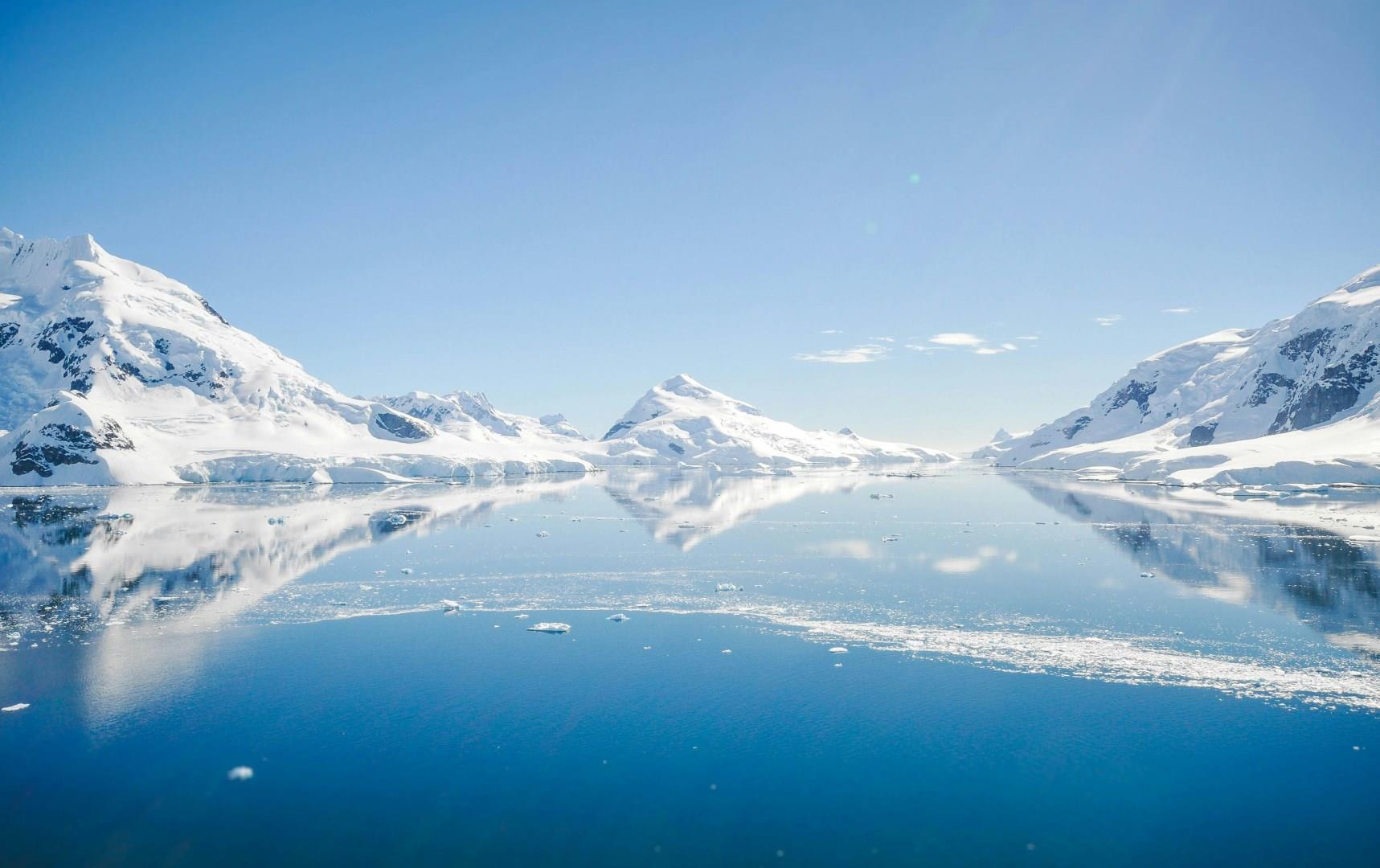
Antarctica
The continent lying mainly within the Antarctic Cirle with the South Pole approximately at its center. The Antarctic Treaty of 1959, signed by 12 countries prohibits military activities and promotes the exchange of scientific information.
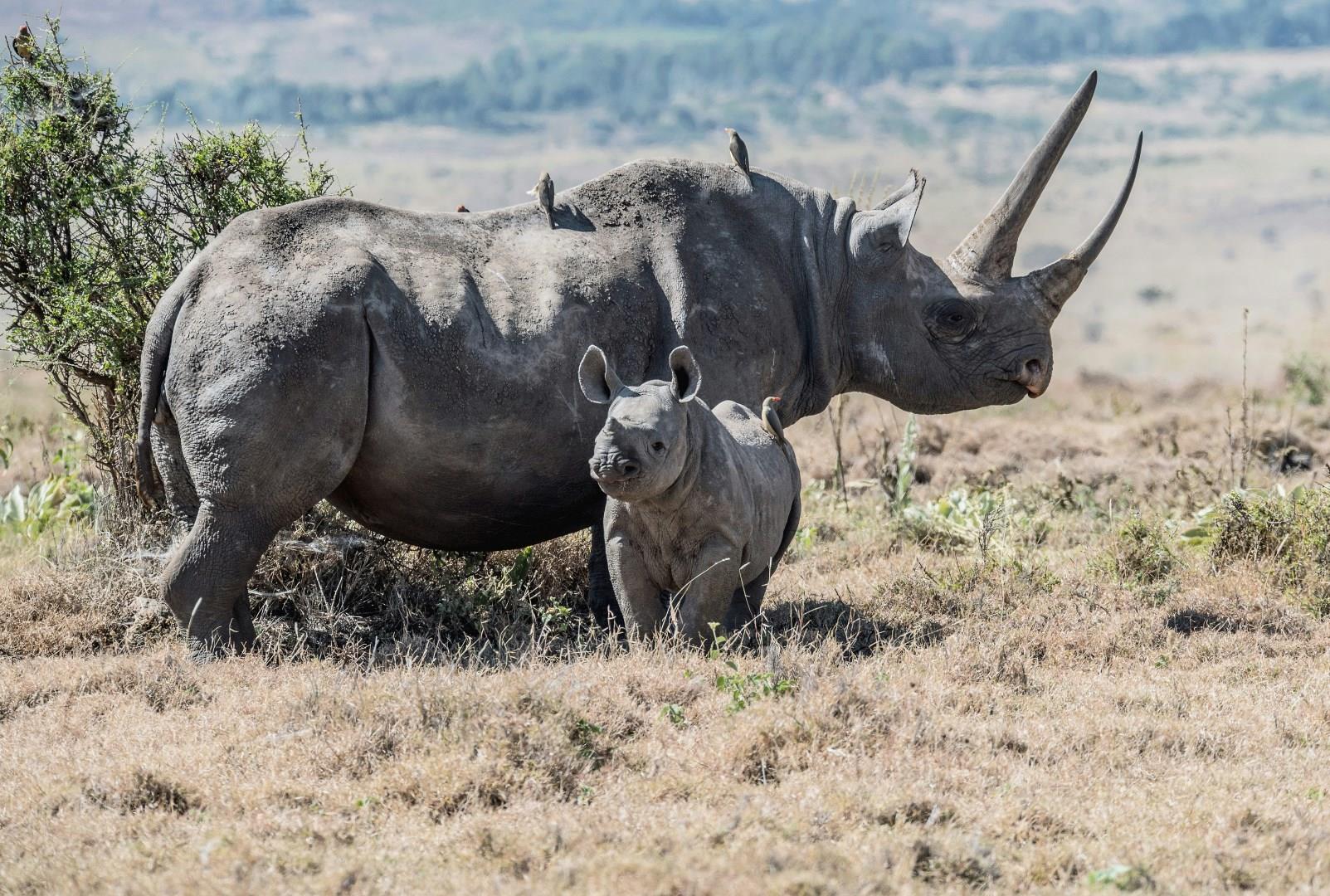
Lewa Wildlife Conservancy
Lewa Wildlife Conservancy lies in northern Kenya at the foothills of Mount Kenya, where open savannah, wooded hills, and seasonal rivers create a varied and striking landscape.
