

Dominica
Dominica, known as the “Nature Island of the Caribbean,” is a haven for eco-tourists and adventure seekers. Nestled between the French islands of Guadeloupe and Martinique, this lush island boasts a remarkable landscape of volcanic mountains, dense rainforests, and stunning waterfalls. Dominica’s most iconic natural wonder is the Boiling Lake, the second-largest hot spring in the world.

Newport
About halfway down the Oregon coast, the picturesque Yaquina Head Lighthouse welcomes you to Newport, a town known for its Dungeness crab and glorious harbor under the graceful Yaquina Bay Bridge. The historic Bayfront offers a mixture of shops, galleries, canneries and restaurants that serve fresh clam chowder, shrimp, oysters, crab and salmon.

Alberta
Alberta, one of Canada’s western provinces, is renowned for its dramatic natural landscapes and vibrant cultural heritage. It’s a place where sweeping prairies give way to towering peaks, and where Indigenous traditions and pioneer history are deeply interwoven.
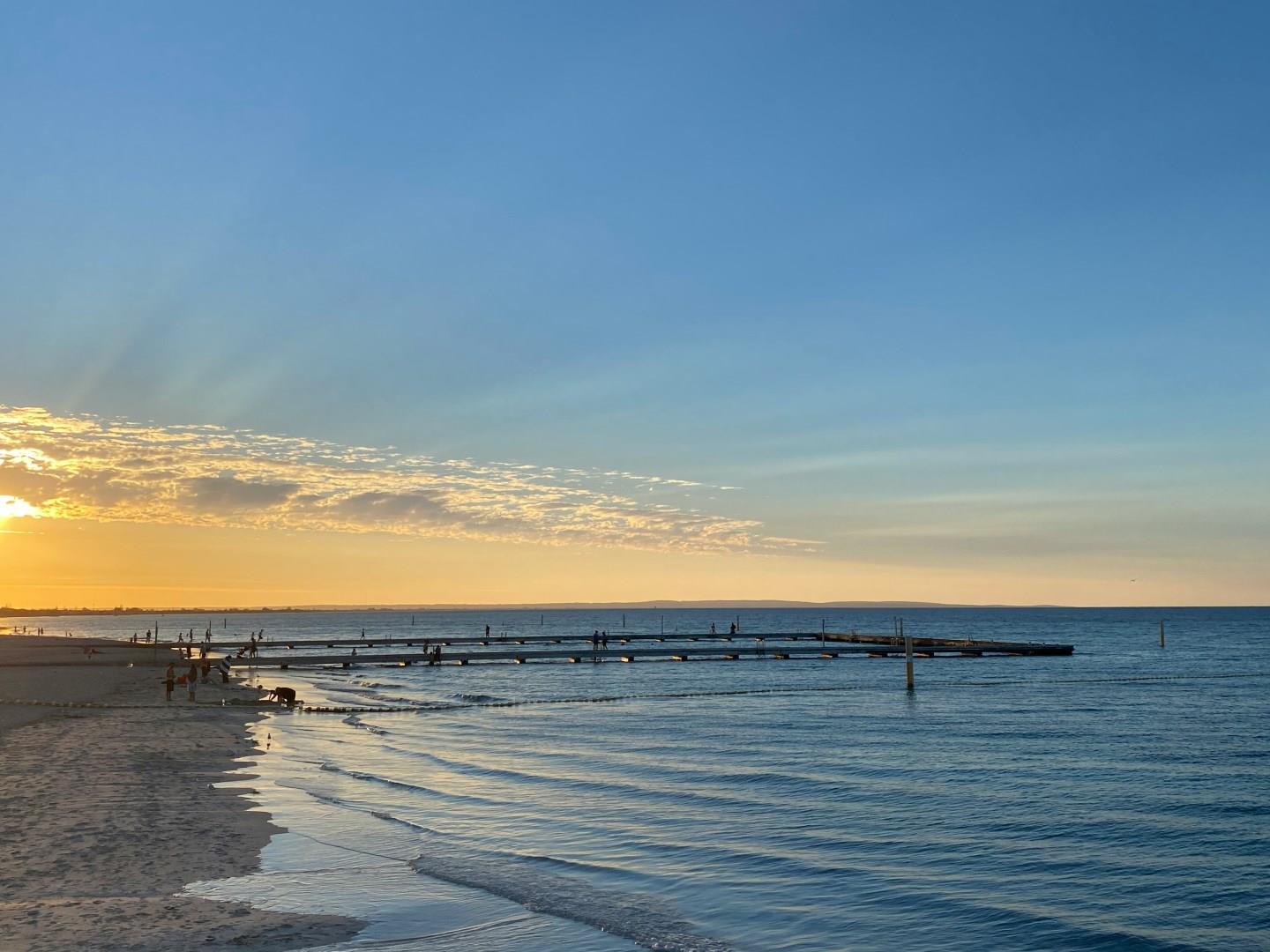
Busselton
Busselton is a relaxed coastal town in Western Australia, set along the calm, sheltered waters of Geographe Bay.
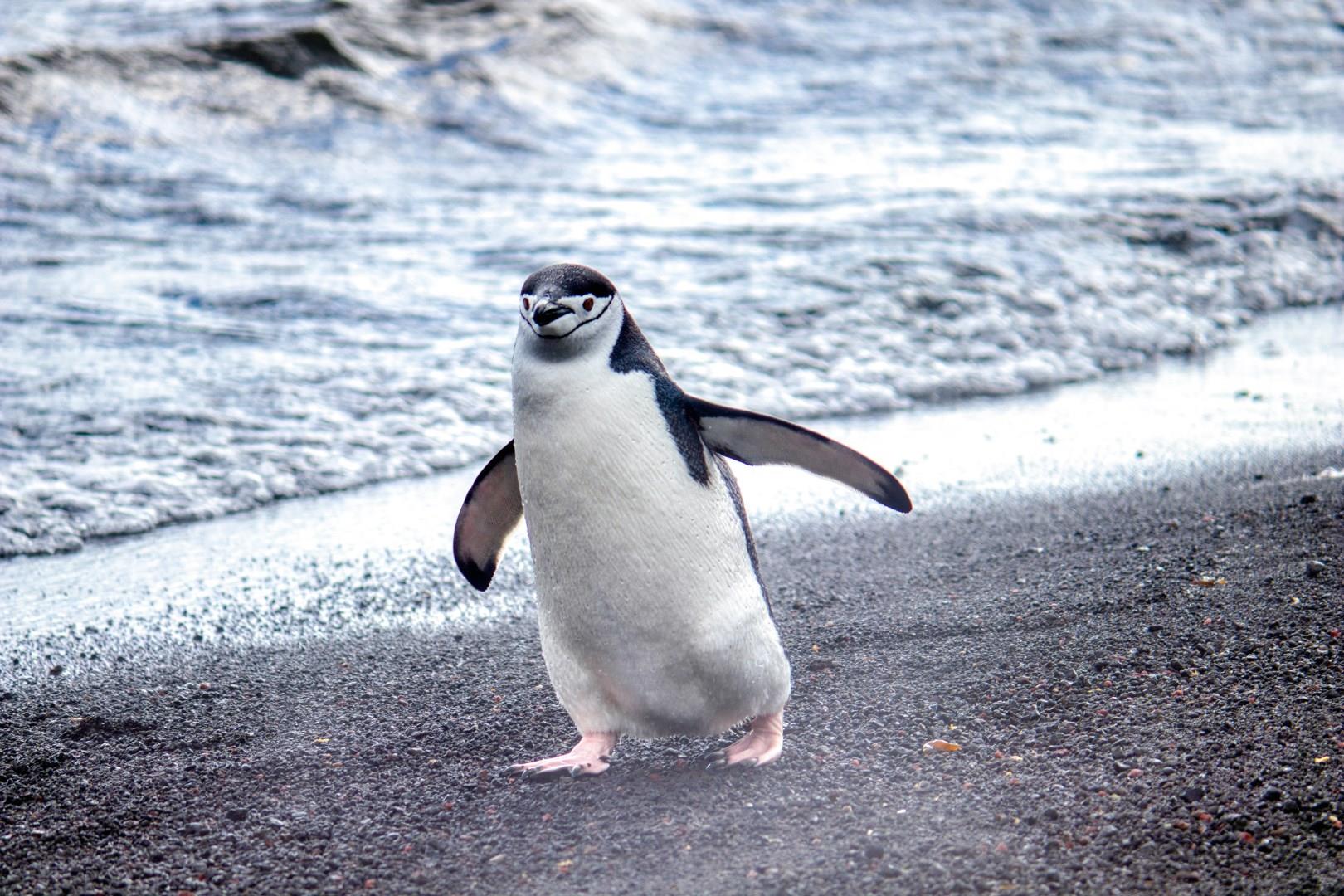
Elephant Island
Elephant Island, a remote outcrop off the coast of Antarctica, is not your average travel destination. Known for its dramatic cliffs, towering glaciers, and wild, ice-laced seas, this island is both stark and unforgettable. Located 245 kilometers northeast of the Antarctic Peninsula, Elephant Island is rarely visited except by specialized expedition cruises.
