

Lipari
The island of Lipari is known for its stunning landscapes, and it provides excellent opportunities for hiking and boating.
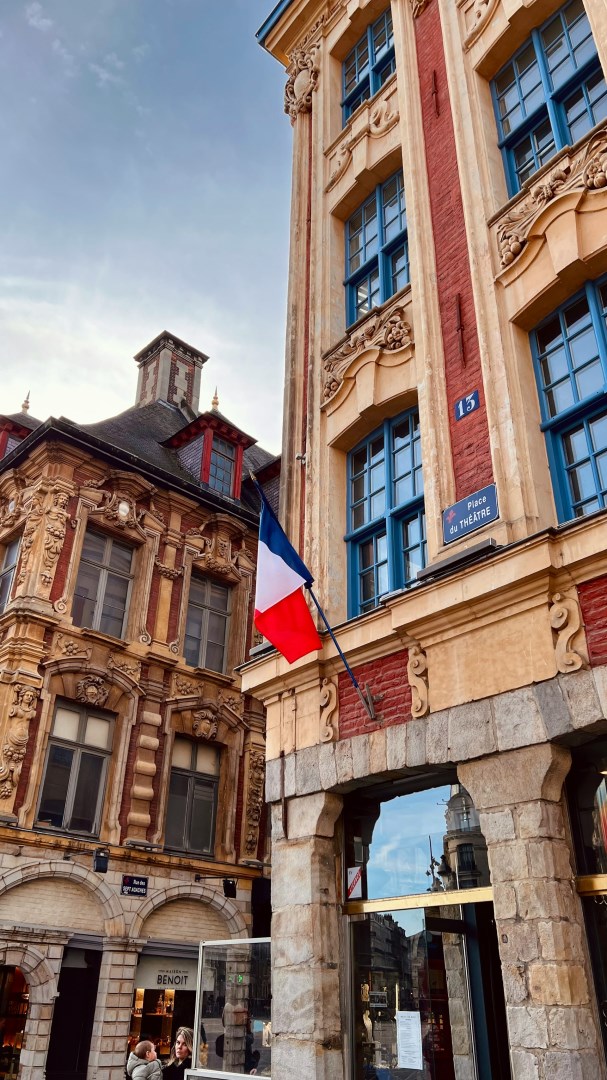
Lille
Lille, the lively capital of France’s Hauts-de-France region, is a city where Flemish charm meets French sophistication. Once an important industrial hub, Lille has reinvented itself as a cultural and artistic center without losing its historic character.

Central Asia
South Central Asia offers travelers a journey through vivid contrasts, where centuries-old temples stand beside bustling modern cities, and tea-covered hills roll into dense tropical forests. In India, visitors can witness the grandeur of Mughal architecture at the Taj Mahal, then find serenity at the ghats of Varanasi, where rituals have continued for thousands of years.

Manila
Philippines capital located in the South China Sea. Fort Santiago and Baroque church San Agustin are among the city's attractions.

Middelburg
Whether uncovering its past, enjoying its culinary delights, or simply soaking in the peaceful atmosphere, the picturesque Dutch city of Middelburg leaves a lasting impression on all who visit.
