

Skopje
Skopje, the capital of North Macedonia, offers a fascinating blend of ancient history and modern transformation. A walk through the city reveals layers of Roman, Byzantine, and Ottoman influences, making it a treasure trove for history lovers. Begin your journey at the iconic Stone Bridge, a symbol of the city that dates back to the 15th century, linking the Ottoman Old Bazaar with Skopje’s modern city center.

Amarillo
Amarillo is a city in the Texas Panhandle known for its wide-open plains, cattle industry, and strong connection to Route 66 culture. Positioned along Interstate 40, the city developed as a transportation and trade center serving ranching communities across the region.

Spokane
Spokane, Washington, nestled in the scenic Inland Northwest, offers an engaging mix of natural beauty and vibrant city life. Known as the "Lilac City," Spokane is celebrated for its lush green spaces and the stunning Riverfront Park, which features the iconic Spokane Falls and a variety of outdoor activities. The park's spectacular waterfalls and well-maintained walking trails provide a picturesque backdrop for visitors exploring the city's urban oasis.
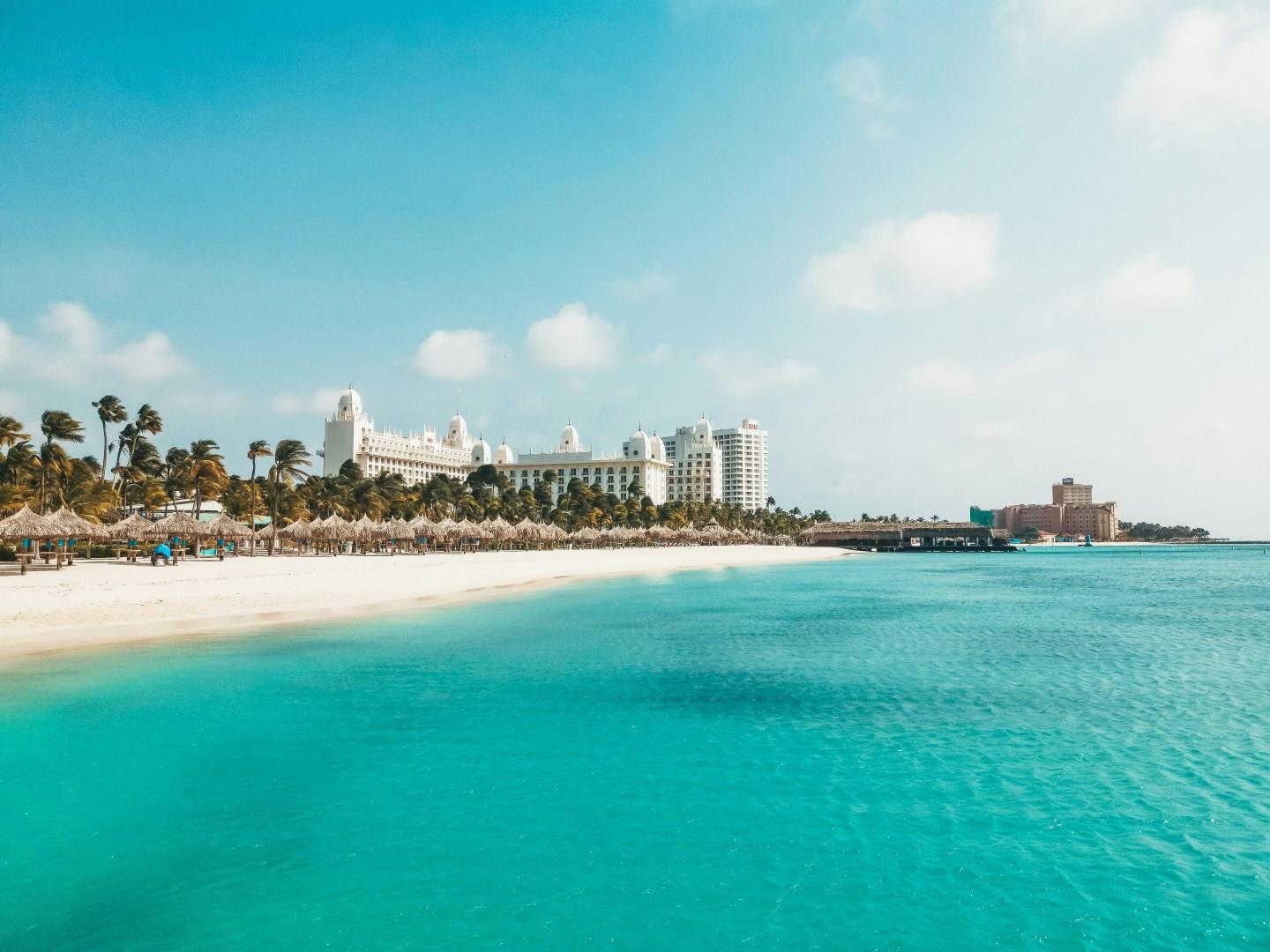
Palm Beach
Palm Beach, located on Aruba’s northwest coast, is the island’s most famous stretch of sand: a two-mile ribbon of soft white shore lined with turquoise waters and a lively resort scene.

Salzburg
Nestled in the foothills of the Eastern Alps, Salzburg, Austria, exudes a timeless charm that combines Baroque splendor, musical heritage, and breathtaking natural beauty. The city is famously known as the birthplace of Wolfgang Amadeus Mozart, one of the world's greatest composers. Visitors can immerse themselves in the life and works of Mozart by visiting his birthplace, now a museum, on Getreidegasse, a picturesque street lined with wrought-iron signs and colorful facades.
