
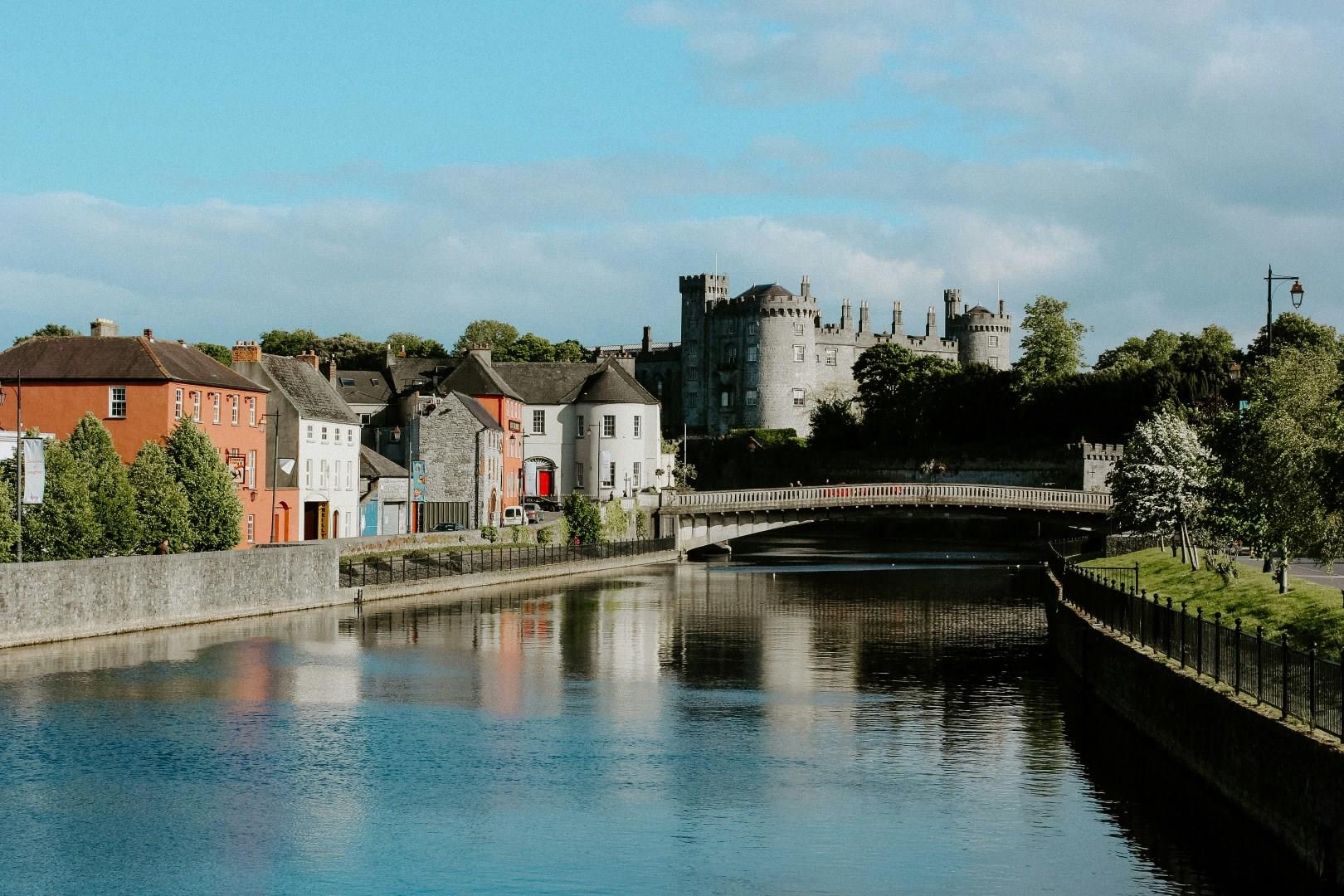
Kilkenny
Kilkenny is a city where history sits beside everyday life, and stories from centuries past shape the streets visitors walk today. At its heart stands Kilkenny Castle, first built in the 12th century and home to the Butler family for more than 600 years. From here, the Medieval Mile creates a natural path through the city, linking key sites such as St. Canice’s Cathedral. Its round tower, one of the few in Ireland still open to climb, rewards visitors with wide views across the rooftops.
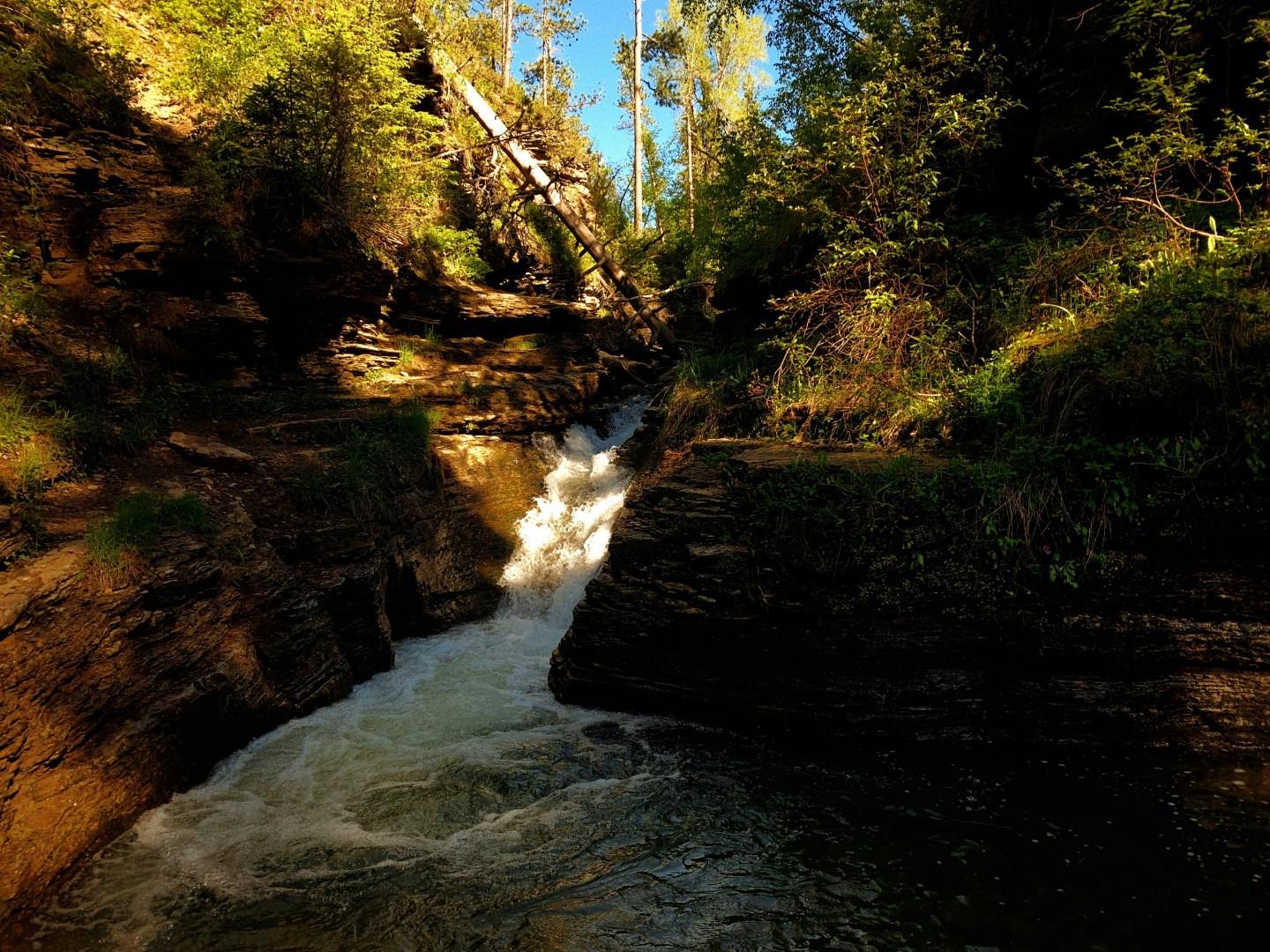
Lead
Lead’s Main Street reflects its long history with places that invite people to explore local life beyond mining. The Black Hills Mining Museum offers displays of mining tools, machinery and a simulated underground mine experience that brings to life how miners worked the Black Hills over generations. Along the same street, galleries, cafés and historic buildings make for pleasant stops between deeper dives into the past.

Jamaica
From the rhythmic sounds of Bob Marley to the breathtaking views of the Blue Mountains, Jamaica offers a mix of adventure and relaxation that caters to every type of traveler. The island offers a wealth of cultural experiences. Kingston, the capital city, is home to the Bob Marley Museum, where visitors can learn about the legendary musician and his influence on global culture. The historic town of Falmouth showcases Georgian architecture and offers insight into Jamaica's colonial past.

Road Town
Road Town, the vibrant capital of Tortola in the British Virgin Islands (BVI), offers a charming blend of Caribbean culture, history, and natural beauty. Nestled around a horseshoe-shaped harbor and fringed by lush green hills, Road Town is the bustling heart of the BVI, where visitors can explore colorful markets, historical landmarks, and an inviting waterfront.

Bodrum
Bodrum is a resort town on the dazzling blue bay, in which the Aegean and the Mediterranean Seas meet. The town's charm is well-known, attracting a diverse population of vacationers who stroll along its long palm-lined waterfront, while elegant yachts crowd the marina. Not far from town , you can swim in absolutely clear, tideless, warm seas.
