
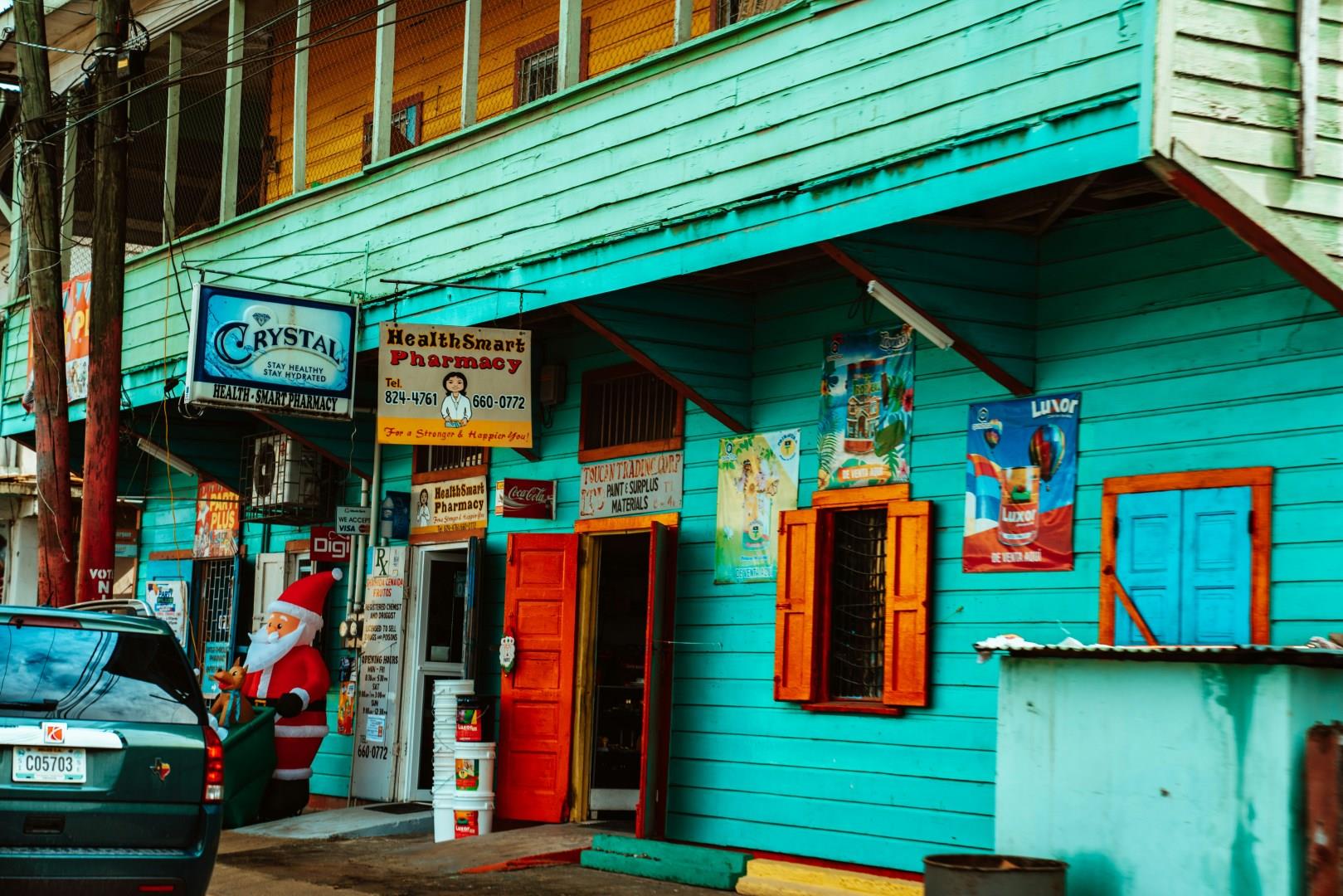
San Ignacio
San Ignacio sits in western Belize’s Cayo District on the banks of the Macal and Mopan Rivers, where the town and its sister settlement of Santa Elena are linked by Belize’s lone suspension bridge. Its location also makes San Ignacio a gateway to both inland Belize and the nearby Guatemalan border, making it easy for curious travelers to explore beyond town limits.

Palermo, Sicily
Palermo, the vibrant capital of Sicily, Italy, is a city where history, culture, and gastronomy converge in a kaleidoscope of experiences. A walk through Palermo is like stepping into a living museum, where Byzantine, Arab, Norman, and Baroque influences blend seamlessly. The Palermo Cathedral, a masterpiece of architectural evolution, showcases a mix of styles from its Norman origins to later Baroque and Neoclassical elements.
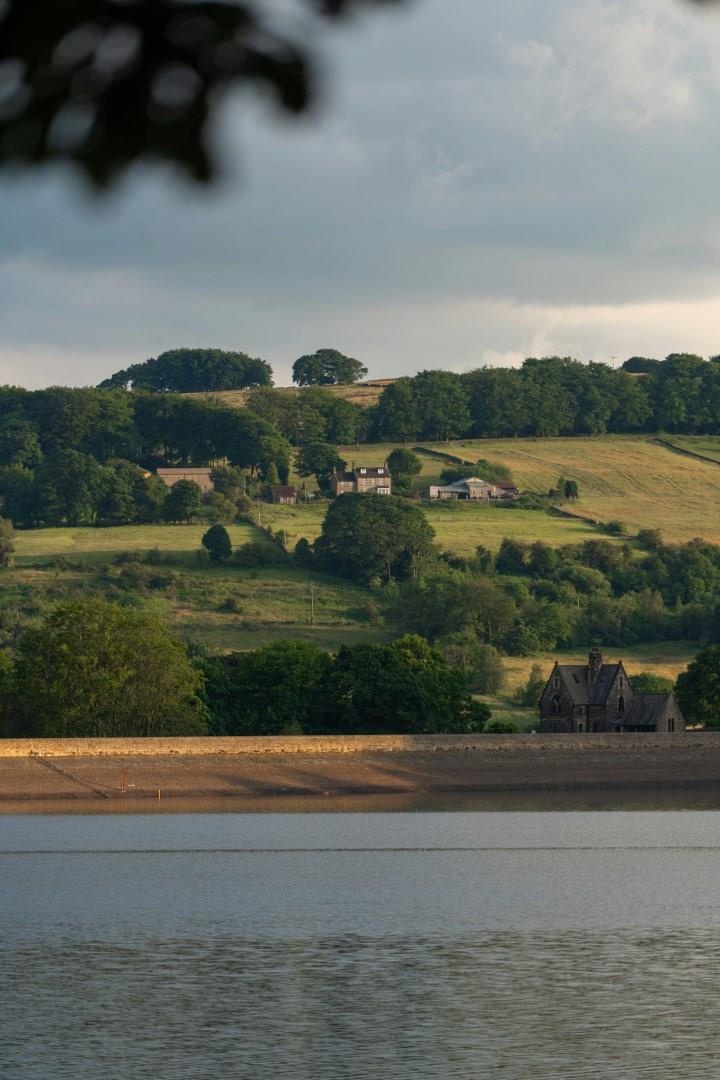
Sheffield
Sheffield, once the global heart of the steel industry, has evolved into a city where industrial heritage meets green landscapes and a growing creative scene. Known historically for innovations like stainless steel, Sheffield still celebrates its roots at sites like the Kelham Island Museum, where restored machinery and interactive exhibits tell the story of the city’s engineering legacy.
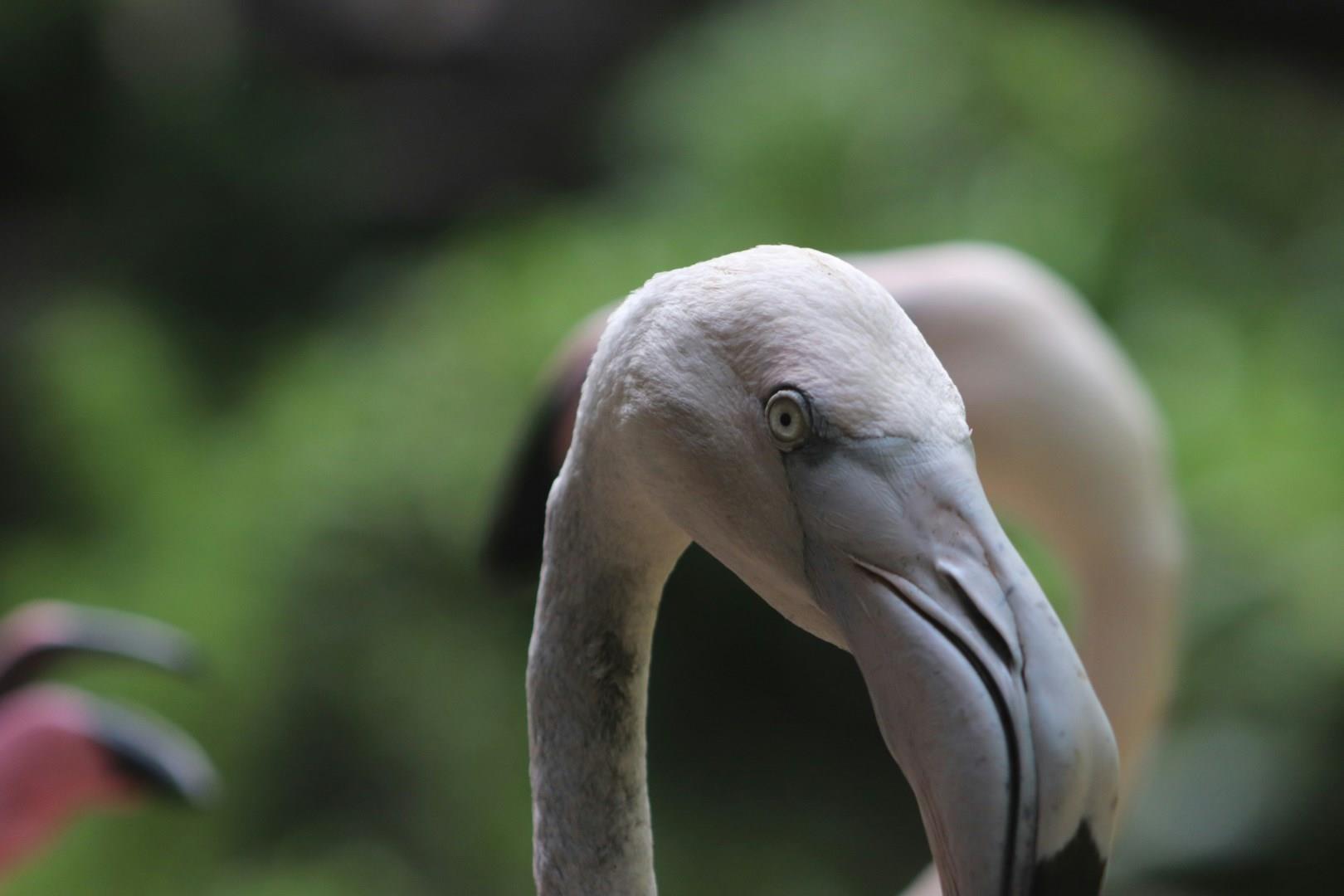
Kanchanaburi
Kanchanaburi, a province in western Thailand, is best known for its poignant history and lush landscapes. It was here that Allied prisoners of war and Asian laborers were forced to build the infamous Death Railway during World War II, including the Bridge over the River Kwai, which remains a powerful symbol of resilience.
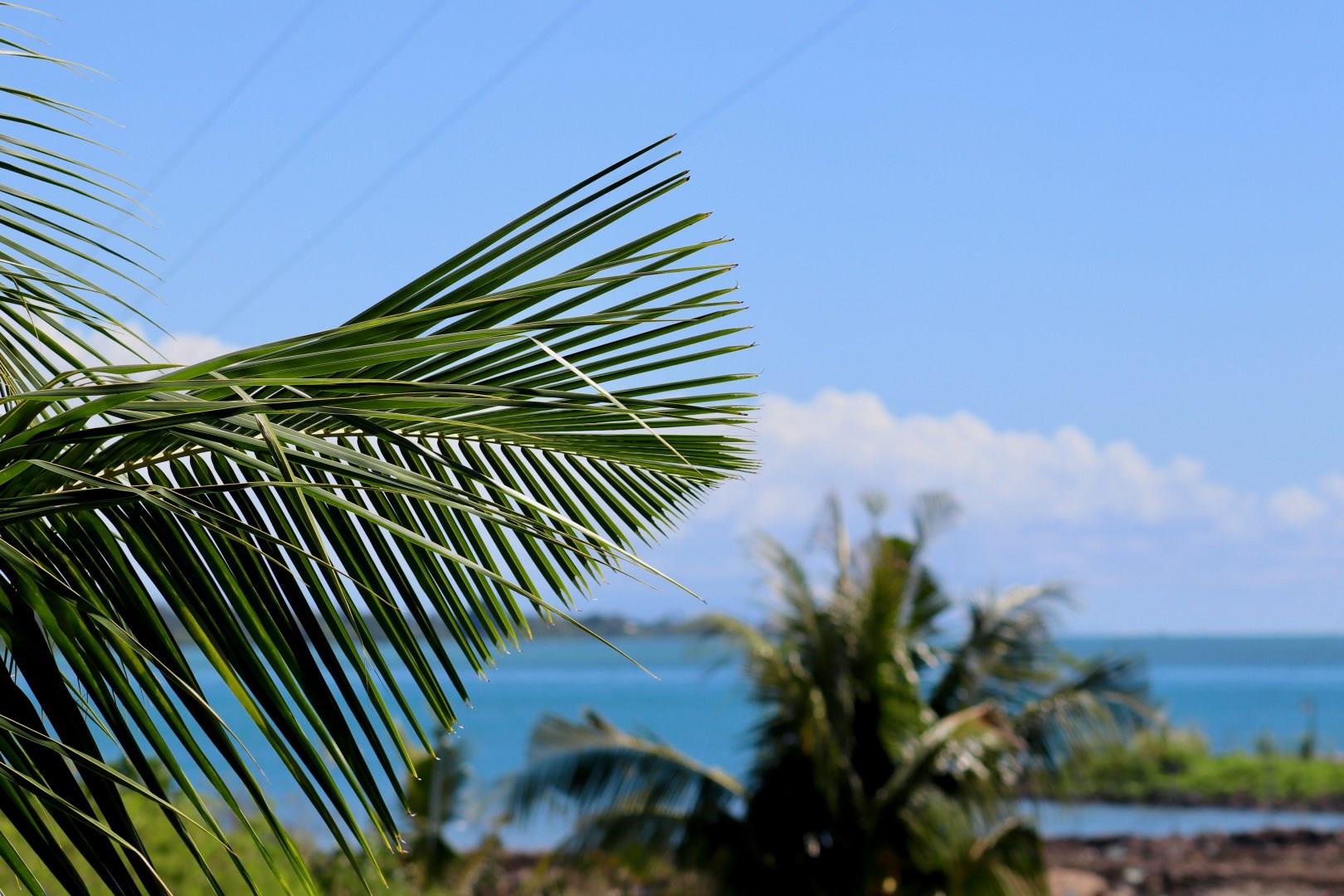
Apia
Apia, the lively capital of Samoa, sits on the north coast of Upolu island and blends the island’s rich traditions with a laid-back charm that’s hard to miss. Once a small village, Apia has grown into a central hub where local culture, commerce, and history meet. From bustling markets to quiet waterfronts, Apia offers visitors a chance to experience Samoa’s rhythm at their own pace.
