
Cankuzo
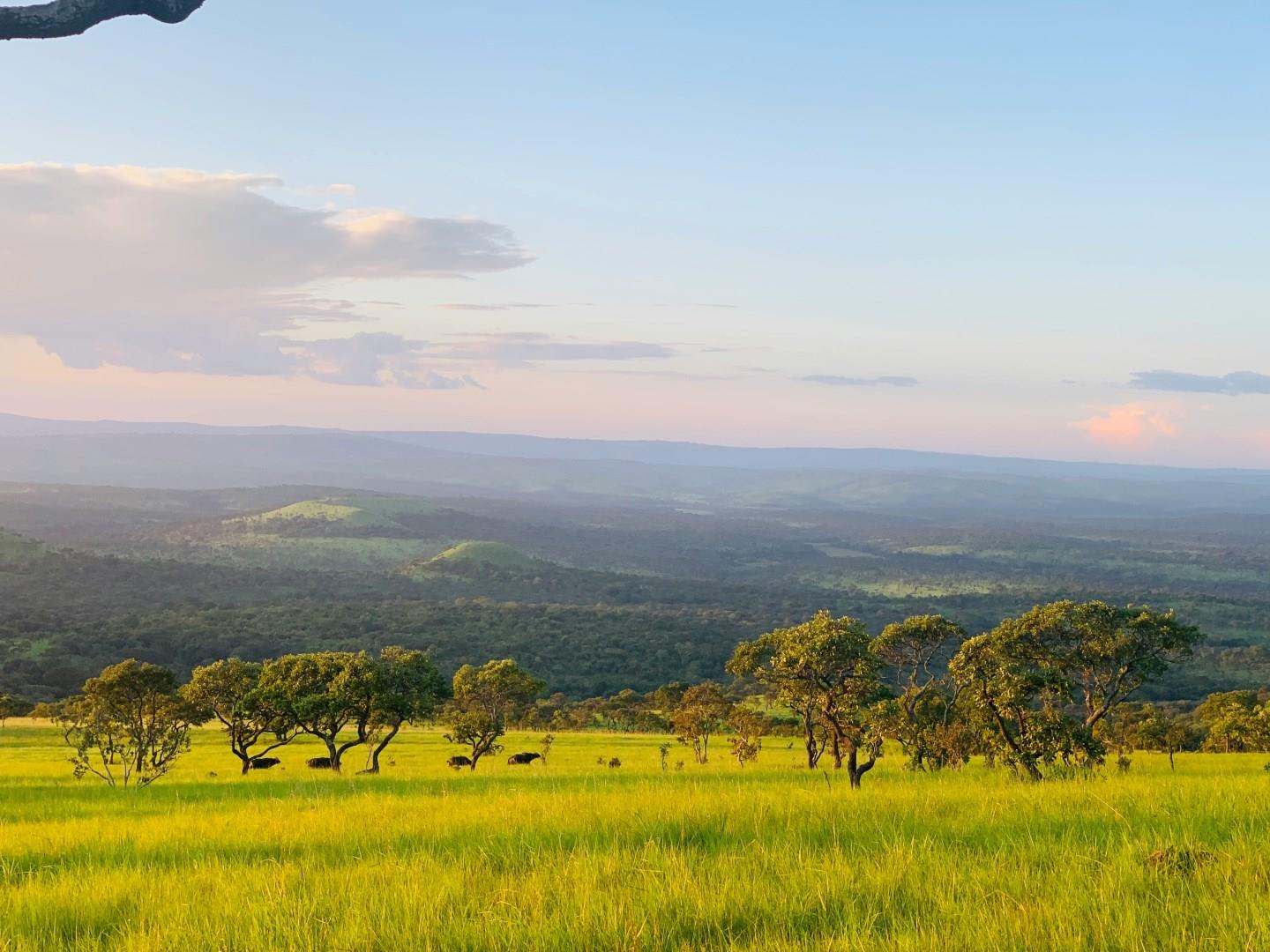
Cankuzo, tucked in Burundi’s eastern corner near the Tanzanian border, offers travelers a lesser-known but deeply rewarding experience. Known for its rolling hills, scattered woodlands, and untouched landscapes, Cankuzo is one of the country’s least populated provinces, which adds to its charm. The region’s peaceful setting makes it an ideal place to experience rural Burundi in its most genuine form.

Geneva
Geneva is a cosmopolitan metropolis proud of her traditions. It is the international meeting place of many worldwide organizations including the United Nations and W.H.O. The symbol of the city, the Jet D'Eau is located on the picturesque lake which is surrounded by the splendid gardens and parks. The elegant city has an astonishing variety of boutiques and department stores filled with every imaginable item.
Tengboche
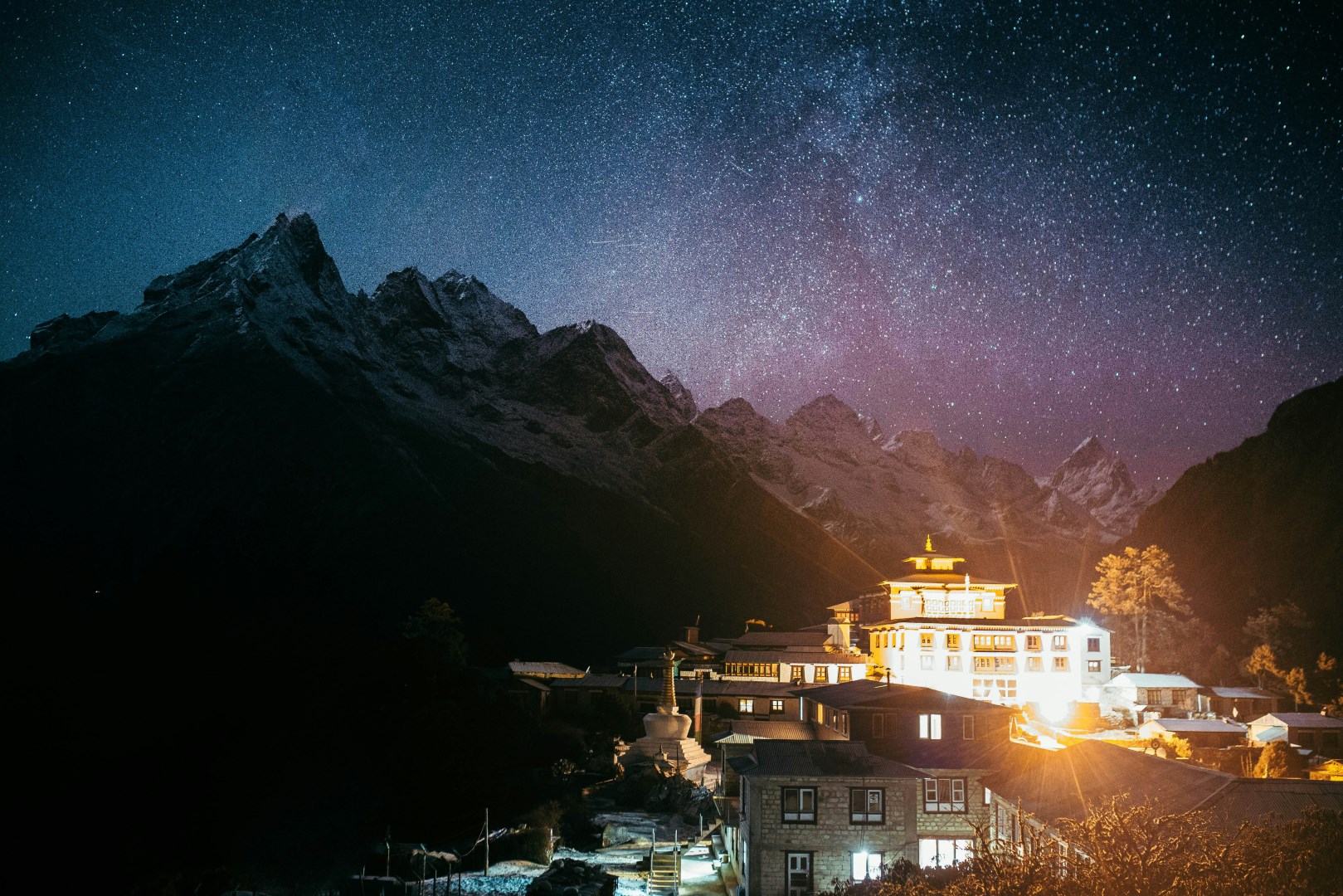
Perched on a ridge overlooking the Dudh Koshi River valley, Tengboche is home to one of the most iconic monasteries in the Himalayas. The Tengboche Monastery dominates the skyline, its whitewashed walls and golden roof visible from miles around. Surrounded by towering peaks such as Ama Dablam, Kangtega, and Thamserku, the village offers visitors sweeping panoramas and a sense of quiet reflection high in the mountains.

Nunavut
Nunavut comprises a major portion of Northern Canada, and most of the Canadian Arctic Archipelago. Its vast territory makes it the fifth-largest country subdivision in the world, as well as the largest in North America.
Alajuela
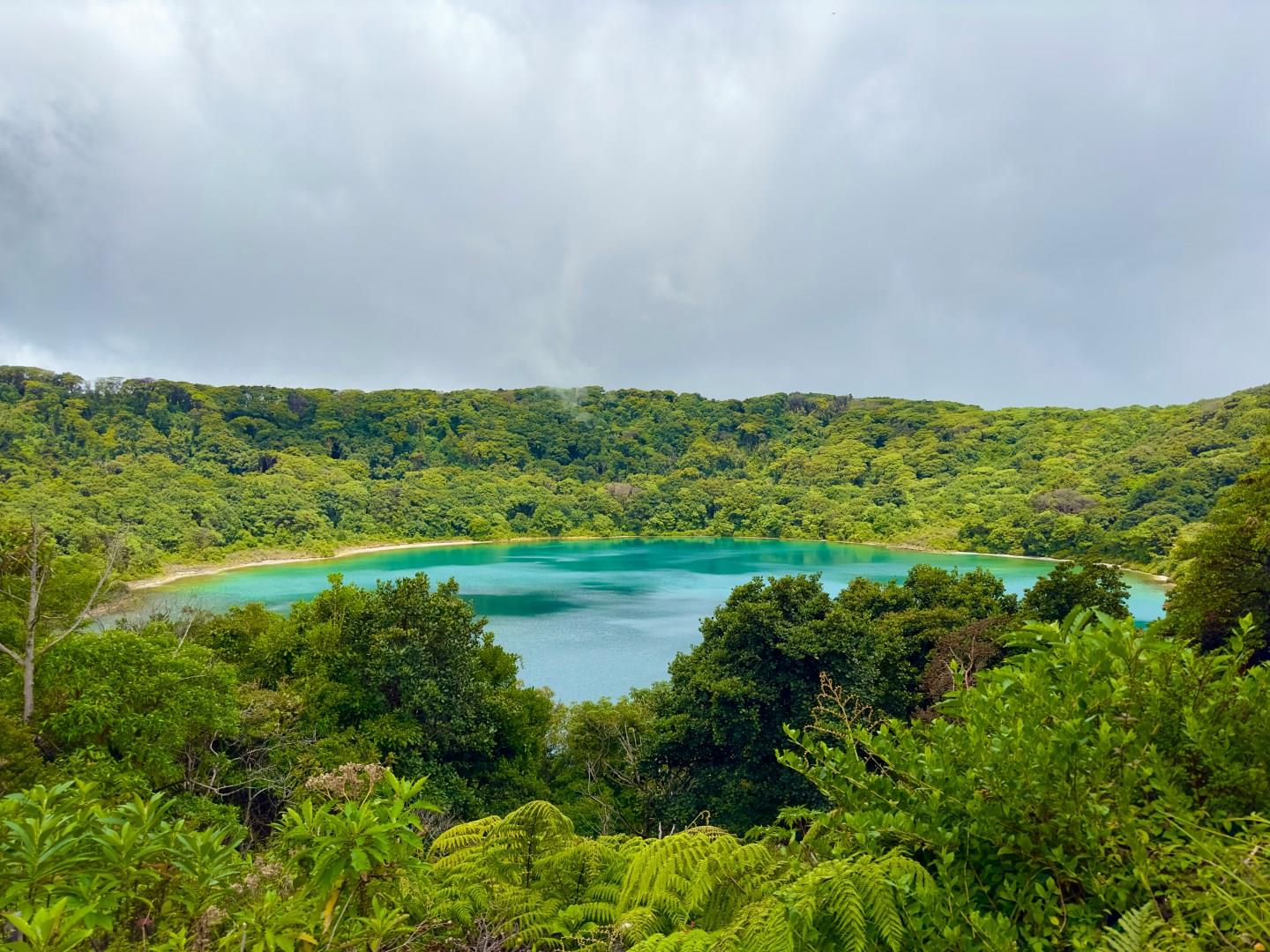
Alajuela, Costa Rica’s second-largest city, offers a mix of history, culture, and natural wonders that make it more than just the gateway to Juan Santamaría International Airport. The city’s central park, cathedral, and museums create a lively hub where local life unfolds, from weekend markets filled with fresh produce to festivals celebrating music and tradition.
