

Civitavecchia
This pleasant port town provides a nice, calmer contrast to bustling Rome, so travelers are advised to not simply pass through, but linger and discover more of Civitavecchia. Explore Forte Michelangelo, shop at Corso Centocelle, see the neoclassical Trajan Theatre, and delve into the therapeutic Taurine Baths of Civitavecchia.

Key West
Beaches, margaritas and relaxed vibes are all part of visiting the island city of Key West, where summer never ends.
Portugal
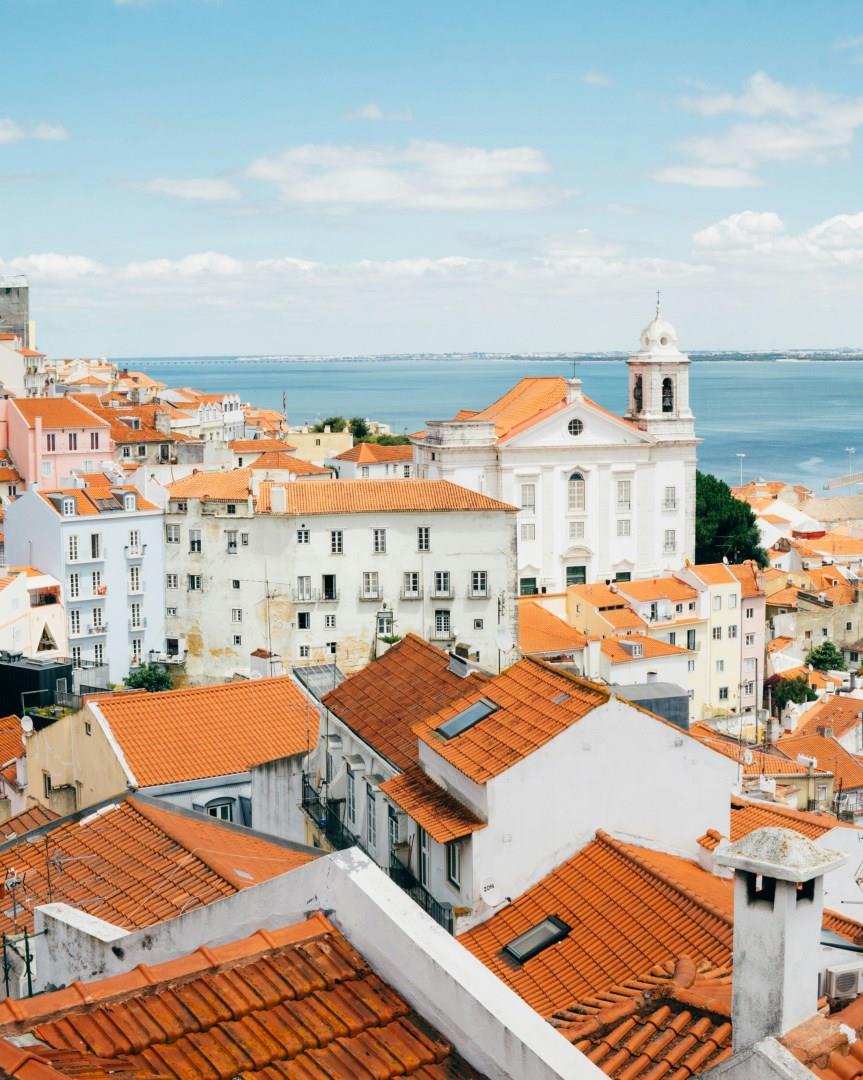
Portugal offers a layered experience shaped by maritime history, deep-rooted traditions, and a coastline that stretches for nearly 1,800 kilometers. In Lisbon, the streets of Alfama wind uphill toward São Jorge Castle, where views of red-tiled rooftops and the Tagus River reveal how the city was rebuilt after the 1755 earthquake. Trams still clatter through narrow streets, and fado music, often performed in candlelit taverns, tells stories of longing and the sea.
Mopti
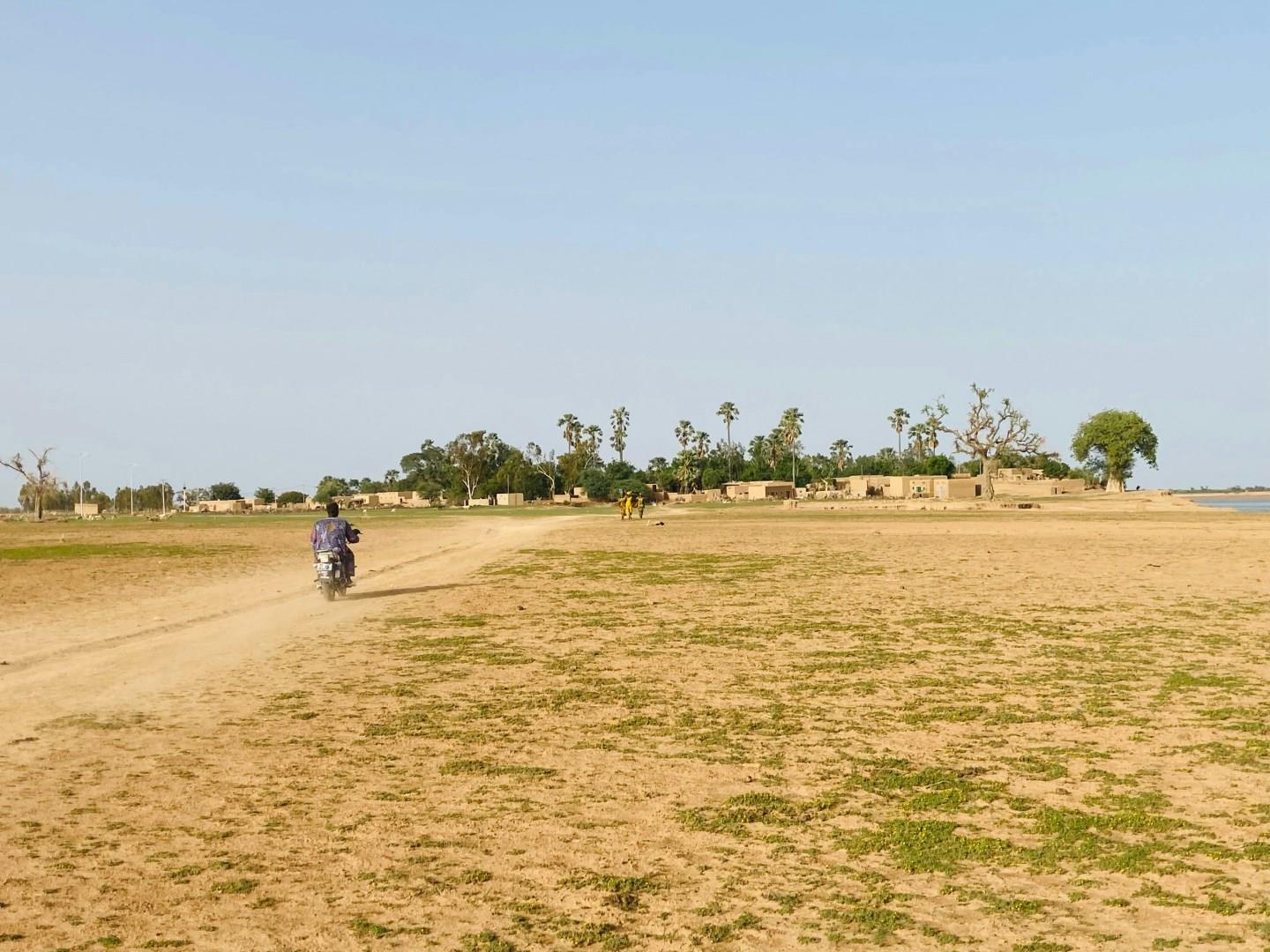
Mopti, often called the “Venice of Mali,” sits at the point where the Bani and Niger rivers meet. This strategic location has made it an important trading hub for centuries, attracting merchants, fishermen, and travelers from across West Africa.
Brest
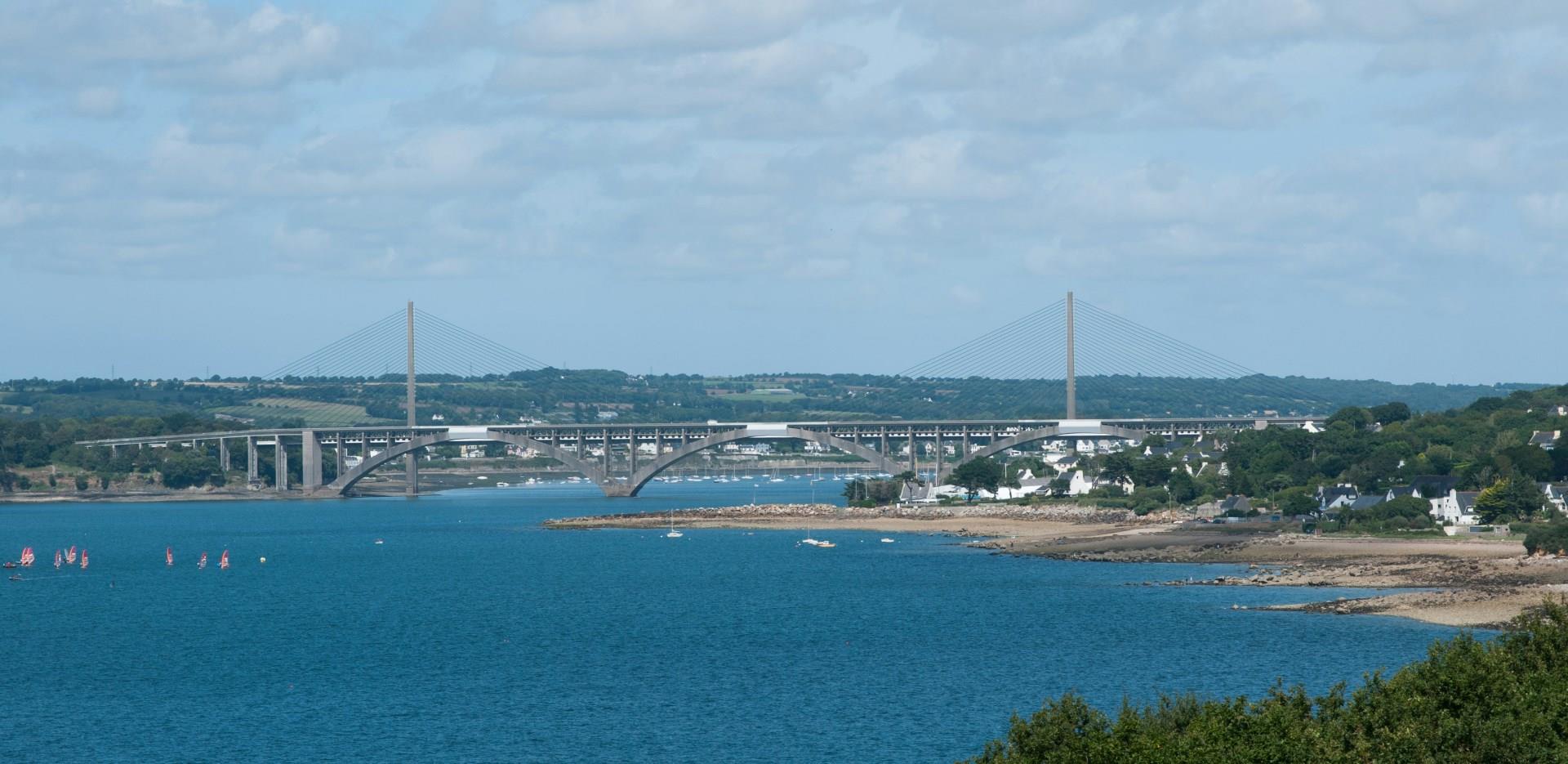
Brest sits at the western edge of Brittany, facing the Atlantic and shaped by its role as a strategic naval port. Much of the city was rebuilt after World War II, giving it a modern layout that contrasts with older Breton towns, yet its history remains closely tied to the sea.
