

Cabo San Lucas
Nestled on the southern tip of California's Baja Peninsula, there's a feeling of peace on Cabo San Lucas, Mexico. Find your own private sand dune and bask in the sun. Walk along the famous Playa del Amor or explore Cabo's unique rock formations that are found in almost every cove. For a special treat, stop and watch artists create black coral jewelry.

Innsbruck
Located in western Austria, Innsbruck is a charming European destination on the banks of the Inn River. A popular stop for skiing, Innsbruck is nestled within the Alps and offers a variety of cable cars to whisk you to the mountains for outdoor sports and spectacular views of the Innsbruck below.

Katakolo
Katakolon, also known as Katakolo, is a charmingly small port and fishing town on the coast of Greece. A primary entryway to the nearby ancient ruins of Archaia Olympia, Katakolon is a popular stop on many Mediterranean cruises. Before heading to Olympia, be sure to unwind on the warm Grecian sands of Paralia Katakolo or savor a bite of fresh seafood at one of Katakolon’s quaint cafés.
Rockport
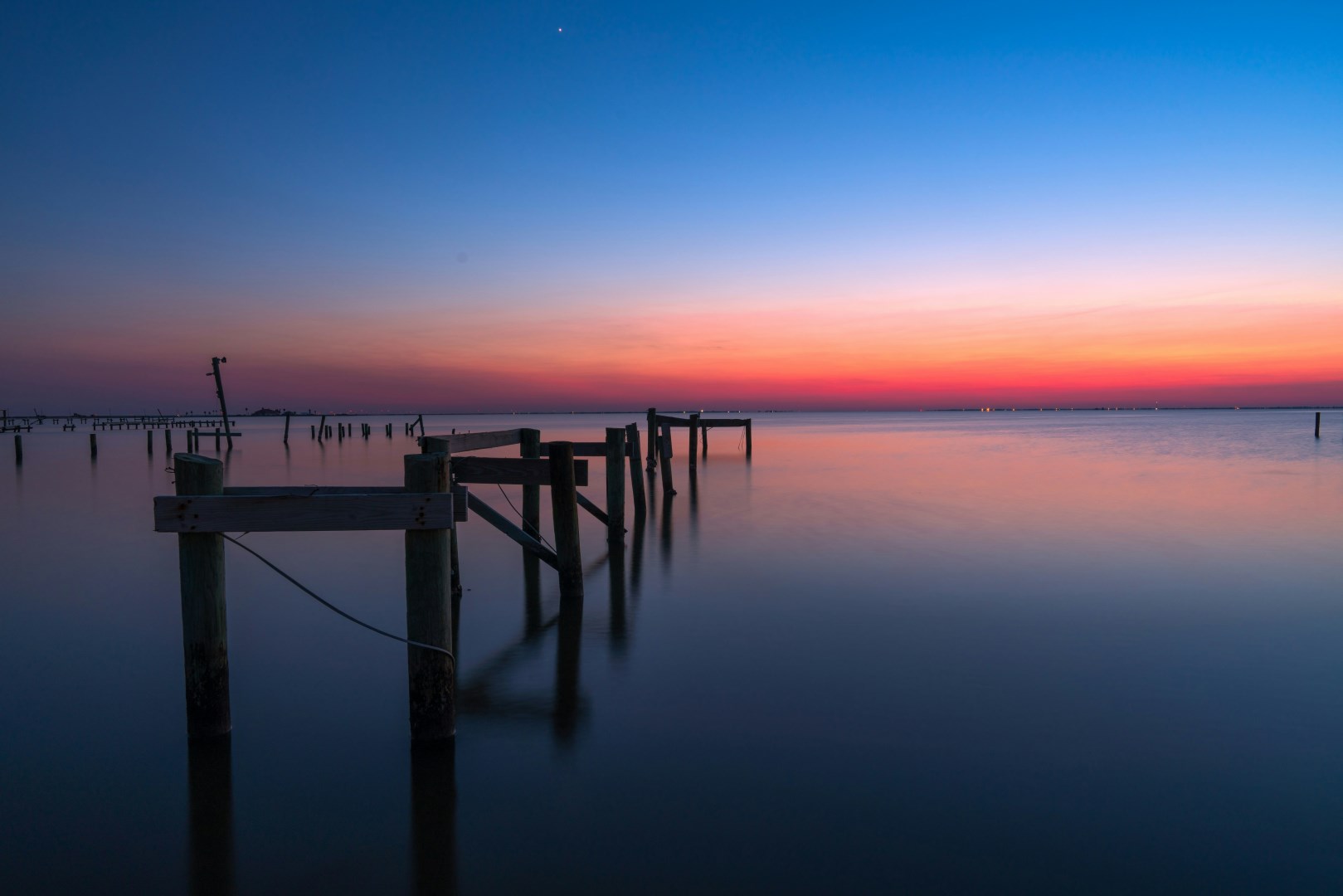
Rockport, Texas sits along the Texas Gulf Coast, where calm bays, sandy shores, and working harbors shape daily life. The town is known for its long waterfront views over Aransas Bay, where dolphins often appear near fishing boats and pelicans glide low across the water. Rockport’s layout keeps the sea close at hand, with marinas, boardwalks, and public piers giving easy access to the shoreline from almost anywhere in town.

Bonaire
There's plenty to explore in this vibrant Caribbean paradise. Visit one of the island's many beaches, including Bachelor's Beach, Te Amo Beach, and Sorobon Beach, take a stroll through the Bonaire Arts and Crafts Market, or visit Washington-Slagbaai National Park, where you'll likely catch a glimpse of many of the island's native birds and reptiles.
