
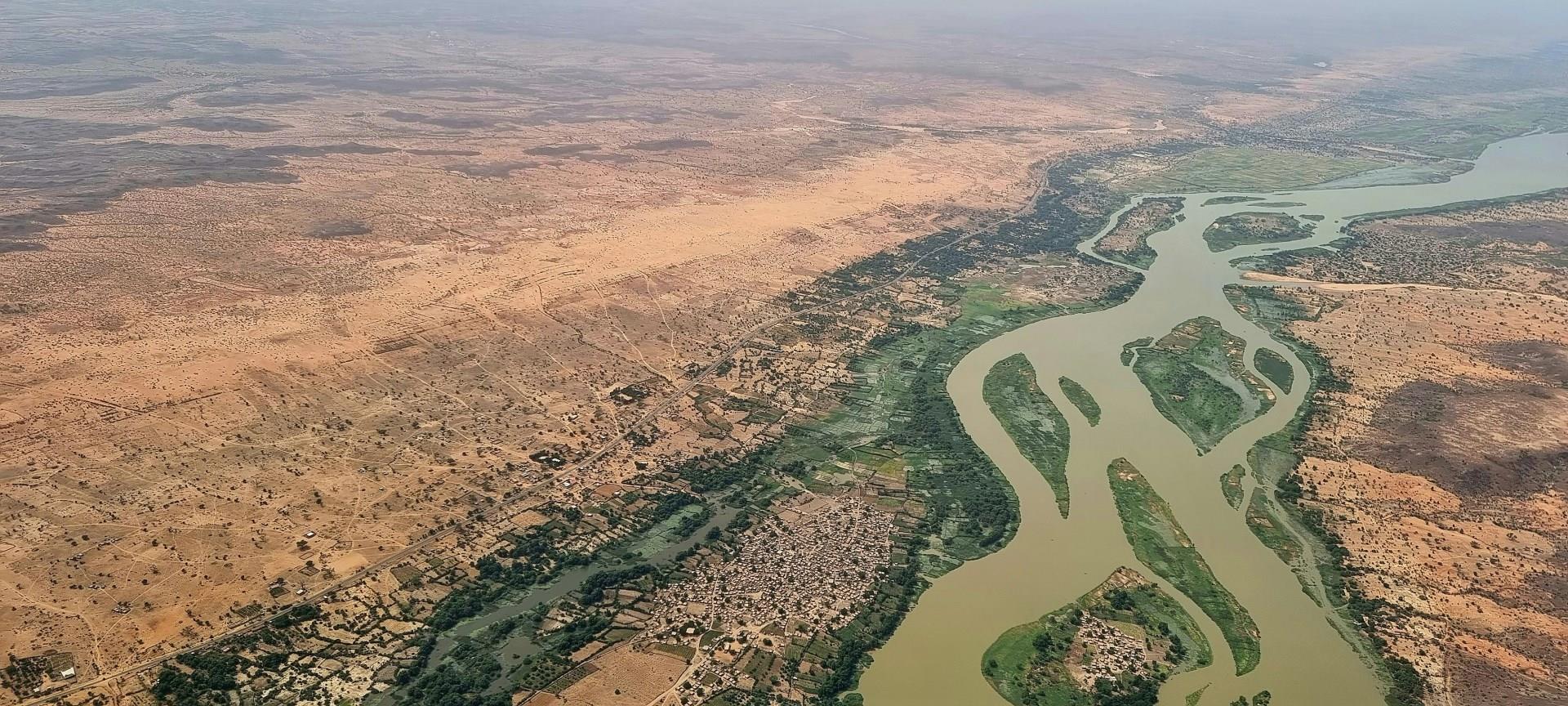
Niamey
Niamey, the capital of Niger, sits along the banks of the Niger River and serves as the country’s political, economic, and cultural center. Its riverside setting provides both scenic views and a hub for local activities, from fishing to small boat transport.

Trinidad
Trinidad, Cuba, is a mesmerizing time capsule that transports visitors to another era with its cobblestone streets, pastel-colored colonial buildings, and horse-drawn carts. Founded in 1514 by Spanish conquistador Diego Velázquez de Cuéllar, this city, located in central Cuba, is one of the best-preserved colonial towns in the Caribbean. Trinidad's rich history and enchanting architecture make it an essential destination for anyone seeking an authentic Cuban experience.

Florence
Florence (Firenze) is a compact city, but densely packed with spectacular art and architecture everywhere you look. The city center itself is a UNESCO World Heritage Site.

Isabela Island
Isabella Island is the largest of the Galapagos islands, on the western end of the archipelago. Shaped like a seahorse when viewed from above, Isabella is home to more wild tortoises than any other island, as well as a wide variety of other animal, bird and marine life.

Vail
Nestled in the heart of the Colorado Rockies, Vail is a premier destination renowned for its world-class skiing and charming alpine ambiance. The town’s centerpiece is Vail Mountain, a sprawling 5,300-acre ski resort that offers an extensive network of trails for all skill levels. Whether you’re a seasoned skier or a first-timer, Vail’s slopes provide exhilarating experiences and breathtaking mountain views.
