

Colombia
Colombia, a country where the Andes meet the Amazon, and vibrant cities lie amidst lush rainforests, is a destination that captivates travelers with its rich culture, history, and natural beauty. From the bustling streets of Bogotá to the colorful, colonial architecture of Cartagena and the coffee-scented mountains of the Coffee Triangle, Colombia offers diverse experiences for every type of visitor.

La Gomera
La Gomera, one of the Canary Islands, offers a unique and captivating escape with its lush landscapes and rich cultural heritage. Known for its dramatic terrain, the island is a haven for nature enthusiasts and hikers. The Garajonay National Park, a UNESCO World Heritage site, is the crown jewel of La Gomera, featuring dense laurel forests that date back to the Tertiary period.
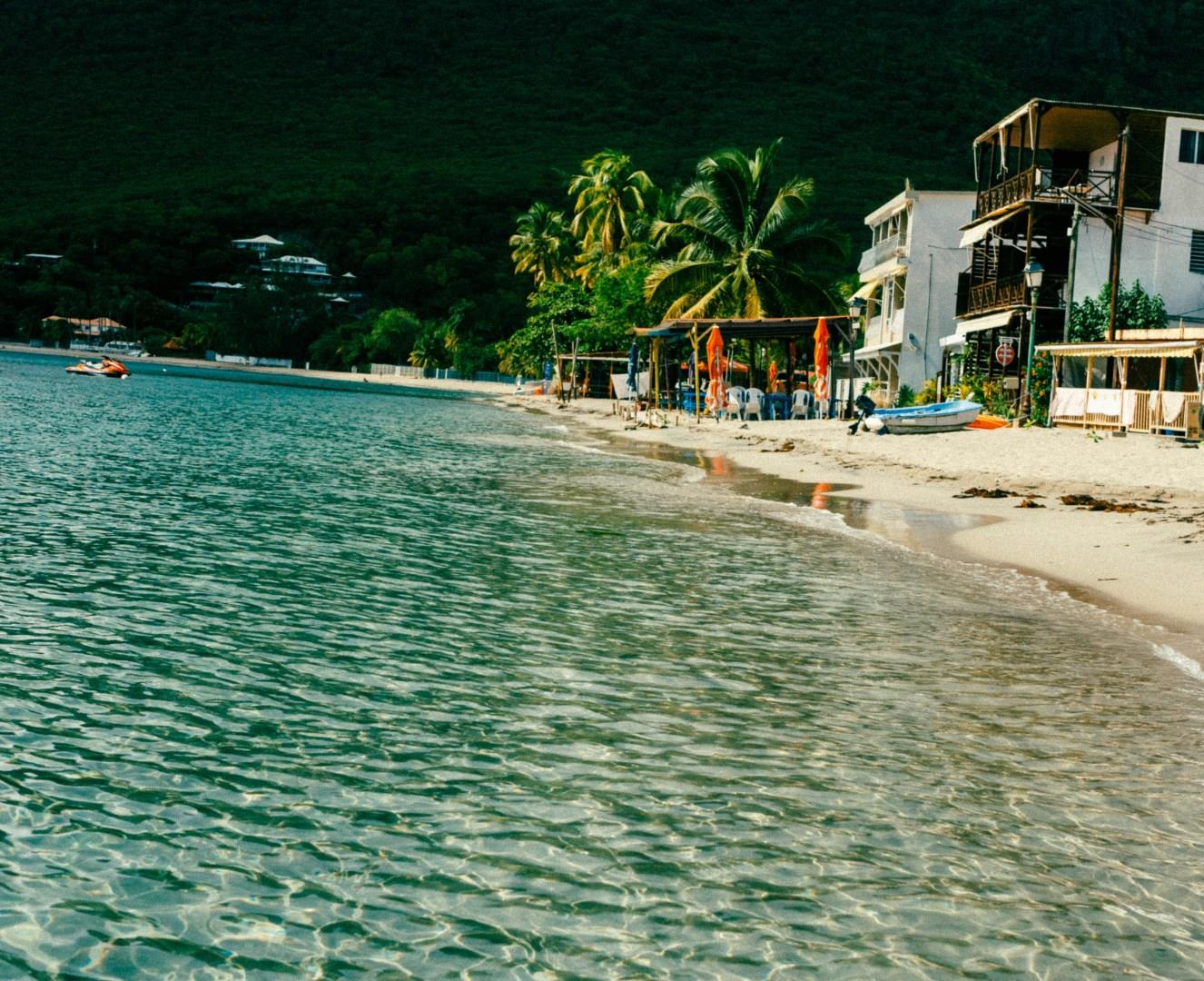
Les Anses-d'Arlet
Les Anses-d’Arlet, a charming fishing village on Martinique’s southern coast, is known for its picture-perfect blend of Caribbean warmth and local tradition. Its centerpiece is a white-sand beach backed by brightly painted houses and the landmark Church of St. Henry, whose steeple aligns beautifully with the sea when viewed from the pier.
Nuevo Vallarta
Nuevo Vallarta, located along the Bahía de Banderas in the state of Nayarit, is a coastal destination known for its wide, sandy beaches and marina-lined canals. Originally developed as a tourism project in the late 20th century, it has grown into a well-organized resort area with luxury hotels, golf courses, and waterfront condos. Unlike older beach towns with colonial roots, Nuevo Vallarta was designed from the start to offer modern comfort while being surrounded by natural landscapes.

Oman
Oman stands among the oldest independent states in the Arab world, with evidence of human habitation stretching back over 100,000 years. Its capital, Muscat, rises gently against limestone hills with no skyscrapers to interrupt its skyline. Visitors find broad avenues lined with stunning buildings leading to landmarks like the Sultan Qaboos Grand Mosque and the Royal Opera House, both offering glimpses into Omani artistry and modern elegance.
