
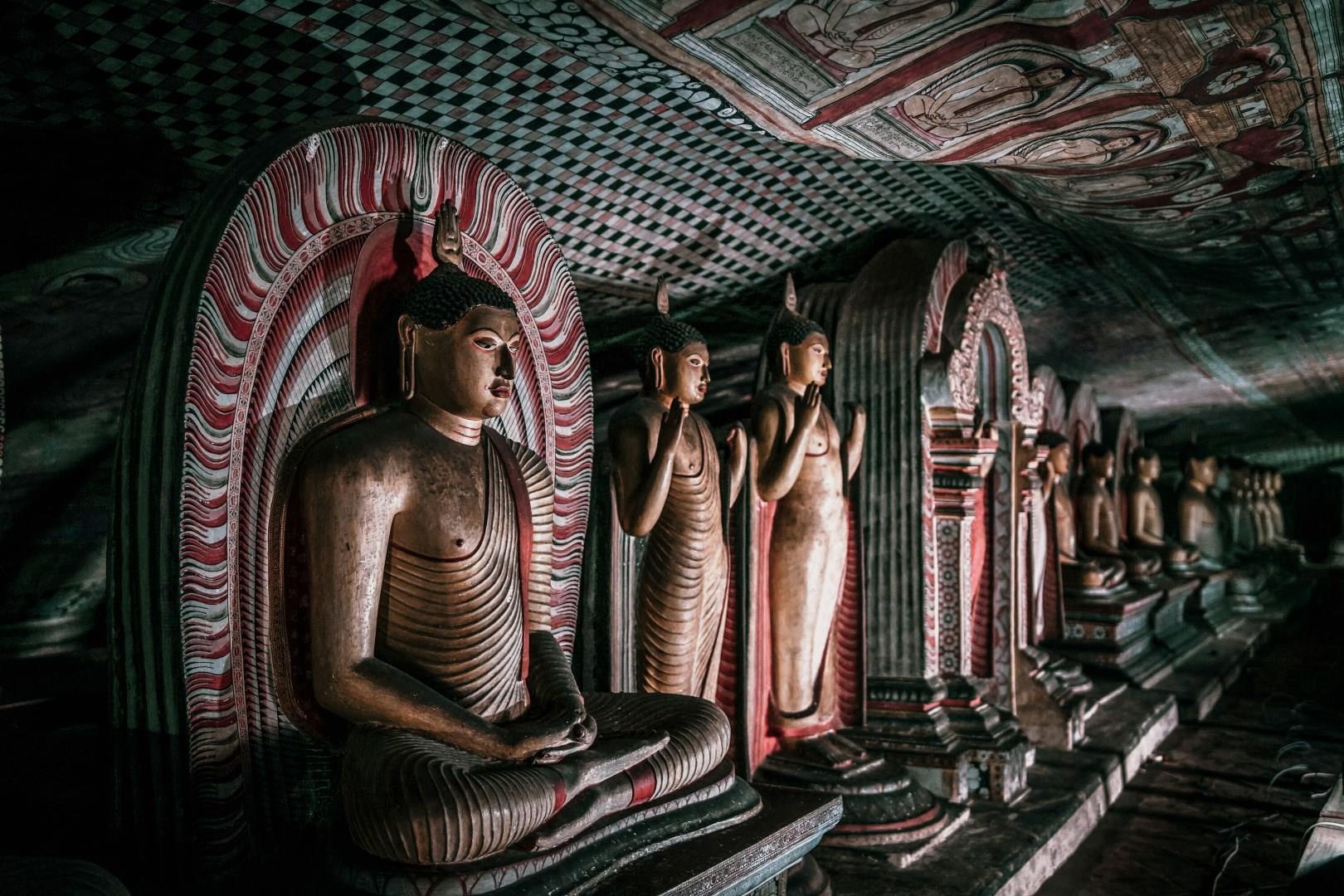
Dambulla
Dambulla, situated in the Central Province of Sri Lanka, is best known for its rock temple complex that has been in use for over two thousand years. The Dambulla Cave Temple, also called the Golden Temple of Dambulla, is made up of five caves carved into a granite outcrop, filled with over 150 Buddha statues and intricate wall paintings. These caves were first used by King Valagamba in the 1st century BCE as a refuge during exile, and later transformed into a sacred site.
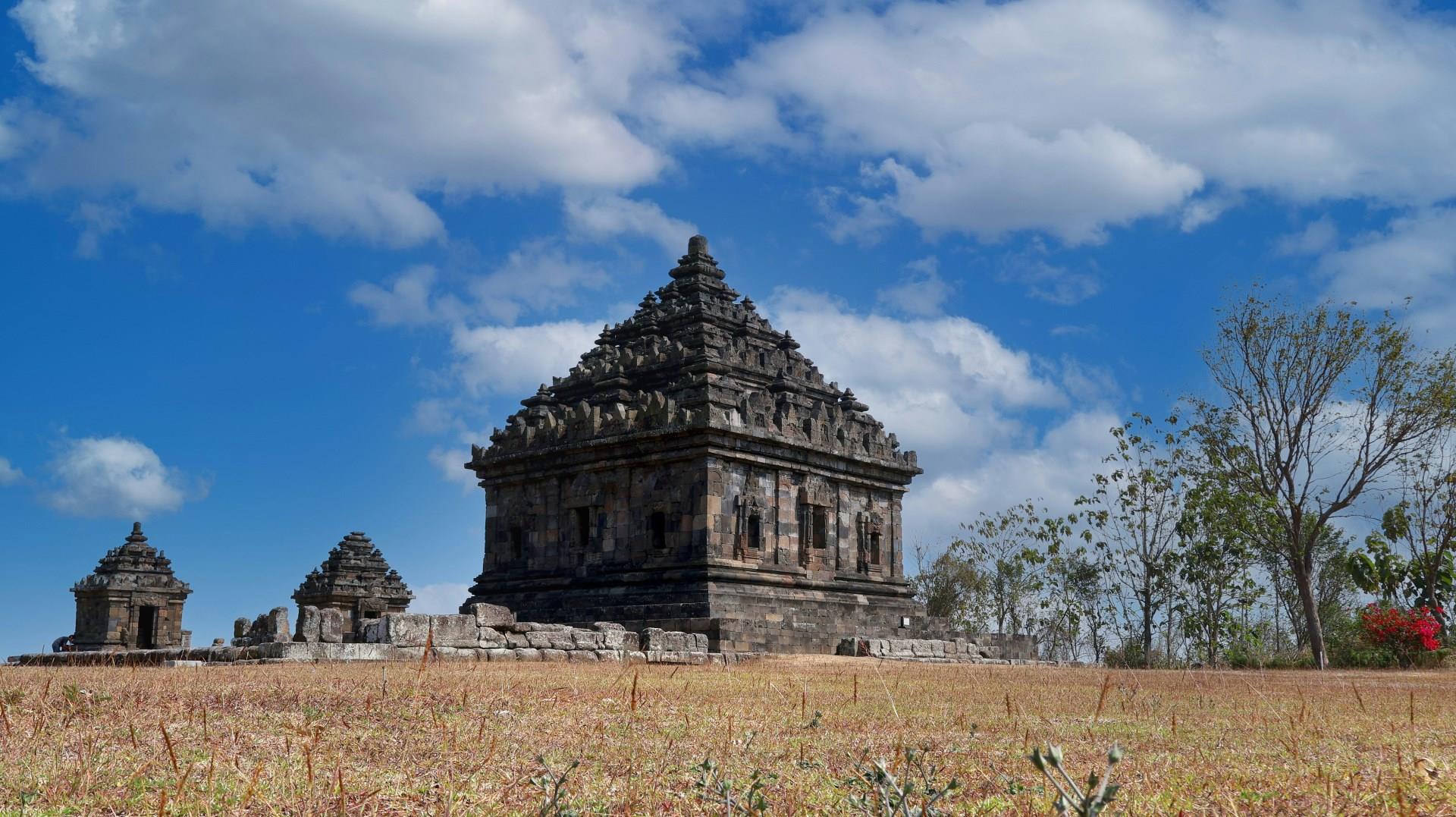
Yogyakarta Java
Yogyakarta, on the island of Java, is often described as Indonesia’s cultural capital, a reputation grounded in living tradition rather than nostalgia. It remains the seat of a functioning sultanate, and the royal palace, or kraton, anchors the city’s identity through ceremonies, crafts, and court arts that continue to shape everyday life. The city also played a key role in Indonesia’s struggle for independence, giving it a strong sense of civic pride and historical awareness.

Cartagena
Southeast Spain's seaport of Cartagena is a large naval base on the Mediterranean coast. The city was founded in 220 B.C. and boasts Roman ruins, mosaics and murals.

Bolivia
Bolivia is a country where altitude meets attitude high in the Andes with rich traditions that stretch back thousands of years. Its capital, La Paz, sits in a bowl-shaped valley surrounded by jagged peaks, making it one of the highest cities in the world. Cable cars glide over the city’s rooftops, linking markets, museums, and neighborhoods in a way that doubles as both transport and sightseeing. From here, visitors can easily reach the Moon Valley.
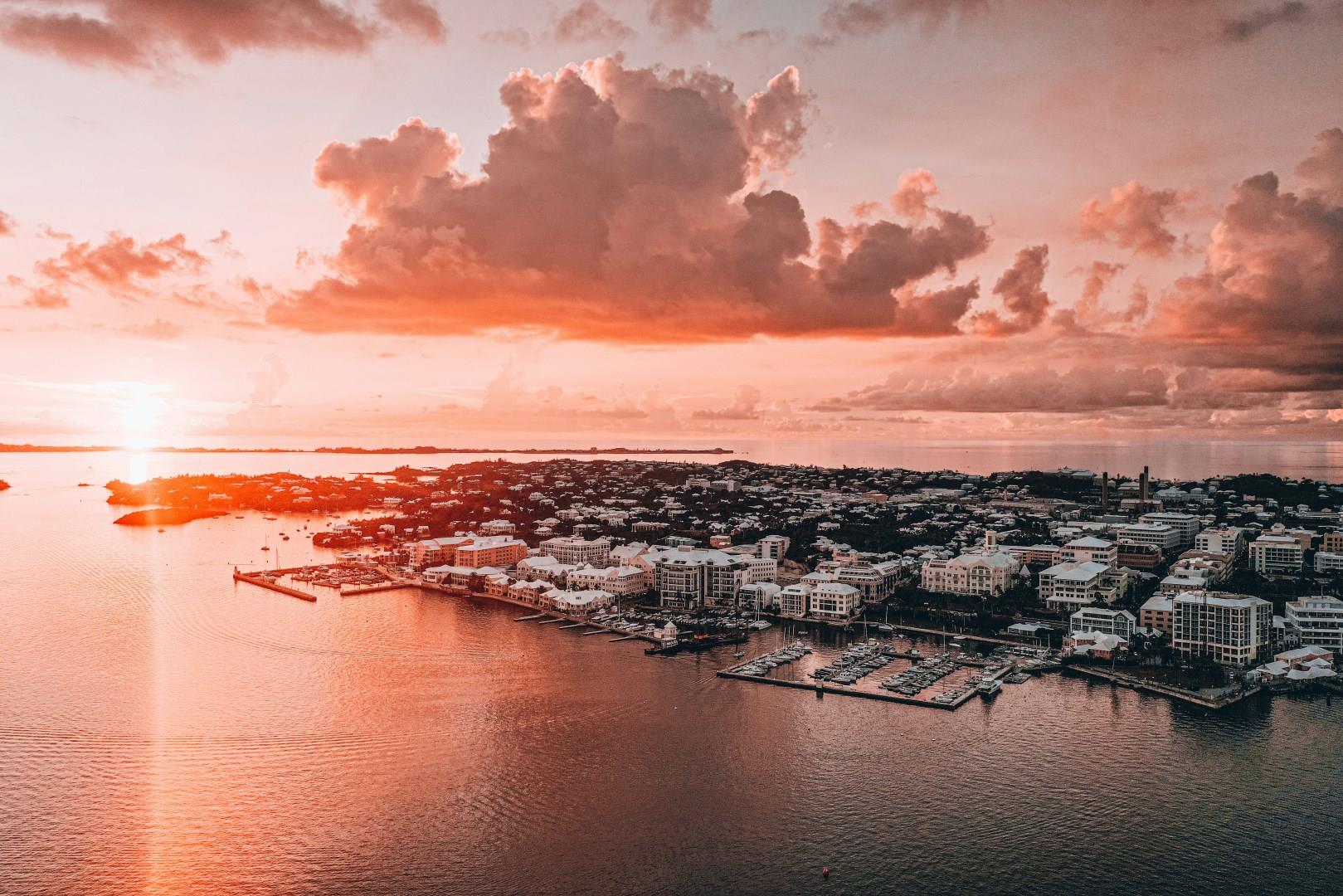
Hamilton
Hamilton, the capital of Bermuda, is the island’s lively cultural and commercial heart. Established in 1793, the city blends colonial charm with a modern island vibe, framed by pastel buildings and a picturesque harbor.
