

Sihanoukville
Nestled along Cambodia’s picturesque coastline, Sihanoukville offers an inviting retreat with its stunning beaches and vibrant culture. This coastal city, named after King Norodom Sihanouk, is renowned for its pristine white sand beaches and turquoise waters.

Weissenkirchen
Weissenkirchen is a charming Austrian town on the banks of the Danube. Surrounded by vineyards and wineries, Weissenkirchen is a delightful stop for European river cruises.
Louisville
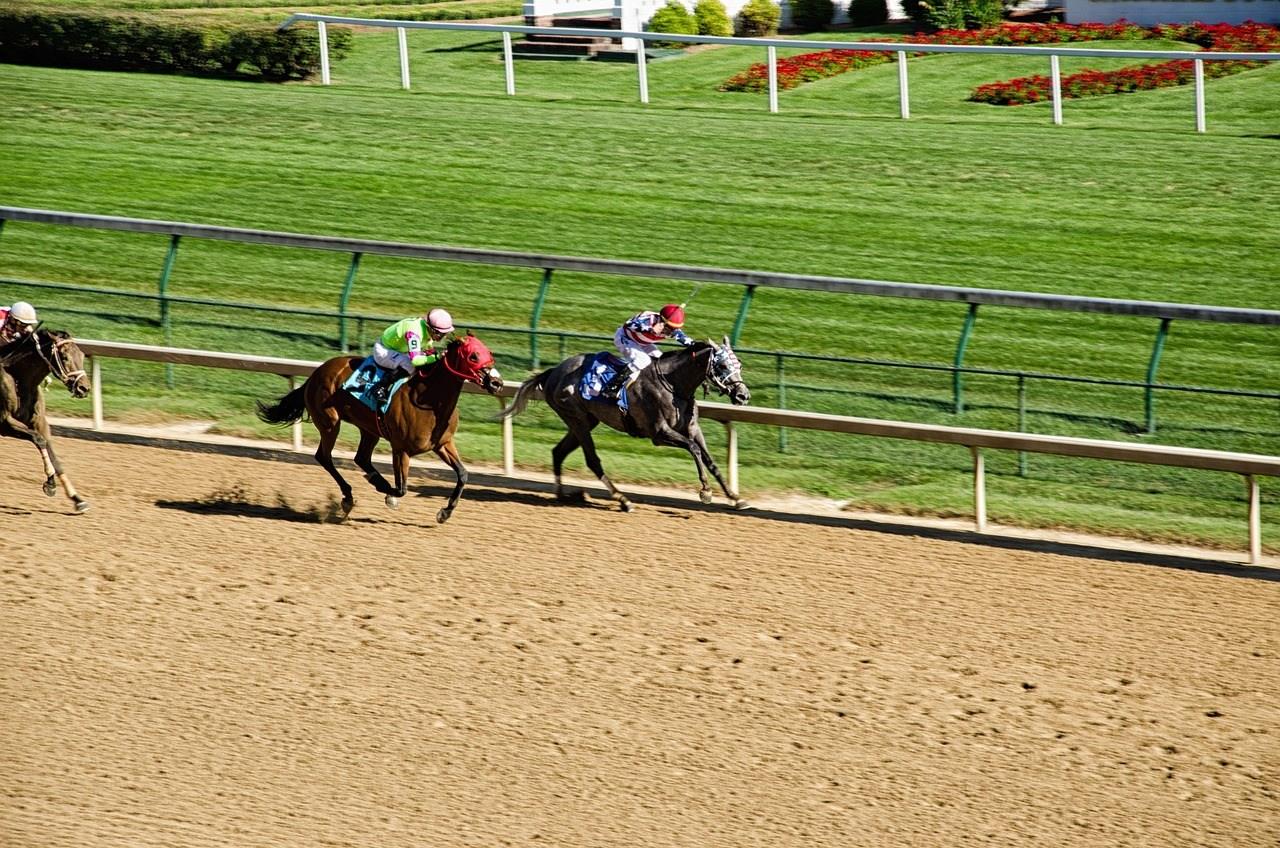
Louisville is a city that knows how to make an impression. Birthplace of the Kentucky Derby, home to bourbon legends, and packed with stories that stretch back over two centuries, this river city blends tradition with bold creativity. Start downtown on West Main Street, also known as Museum Row. Here, visitors can tour the Louisville Slugger Museum & Factory, where real bats are still made, and marvel at the 120-foot baseball bat leaning against the building.
Gran Canaria
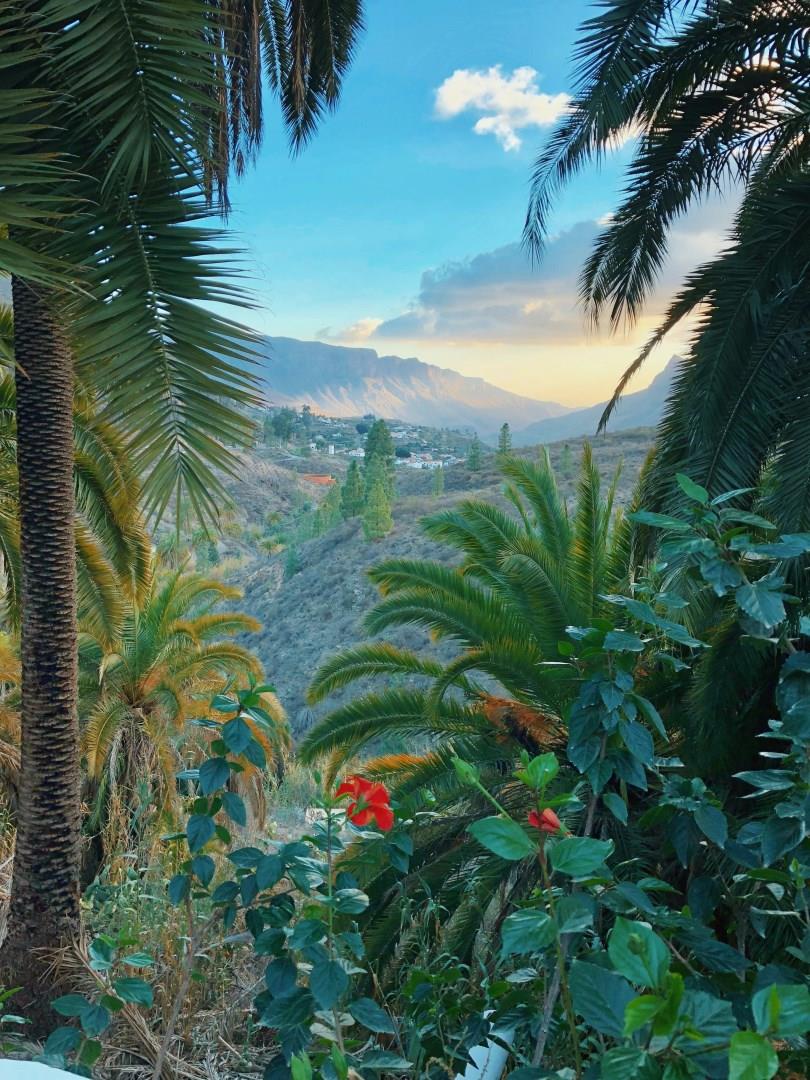
There is no other place with such a variety of scenery - deserts, mountains, lush tropical vegetation, and valleys filled with thousands of banana trees. Agriculture here offers everything: lime trees, vine-yards, coffee plantations, sugar cane, almond, tomato and banana crops, as well as, pine and palm forests.

Galway
Galway, on Ireland's picturesque west coast, offers a vibrant blend of culture, history, and natural beauty that enchants visitors from around the world. This historic city, often referred to as the "City of the Tribes," was shaped by the seven tribes that dominated it during the medieval period. The city's lively atmosphere is a fusion of traditional Irish charm and modern creativity, evident in its colorful streets and dynamic cultural scene.
