

Savona
There's more than meets the eye in Savona, a Northwest Italy port city many cruise ship passengers are lucky enough to find themselves in. The giant Fortezza del Priamàr looms over the water, providing a unique welcome. Be sure to stroll through the city's genteel, impressive medieval center, visit the beautiful Savona Cathedral and see marvelous artistic works from centuries past at the Ceramics Museum.

Nelson
Nelson sits along the West Arm of Kootenay Lake in southeastern British Columbia, embraced by the rugged peaks of the Selkirk Mountains and threaded with over 350 heritage buildings that tell the story of its silver-rush beginnings. A short trip outside town leads to spots like the Salmo–Troup Rail Trail, a wide, gentle path that follows an old rail line for kilometers through forest and alongside rivers.
South Shetland Islands
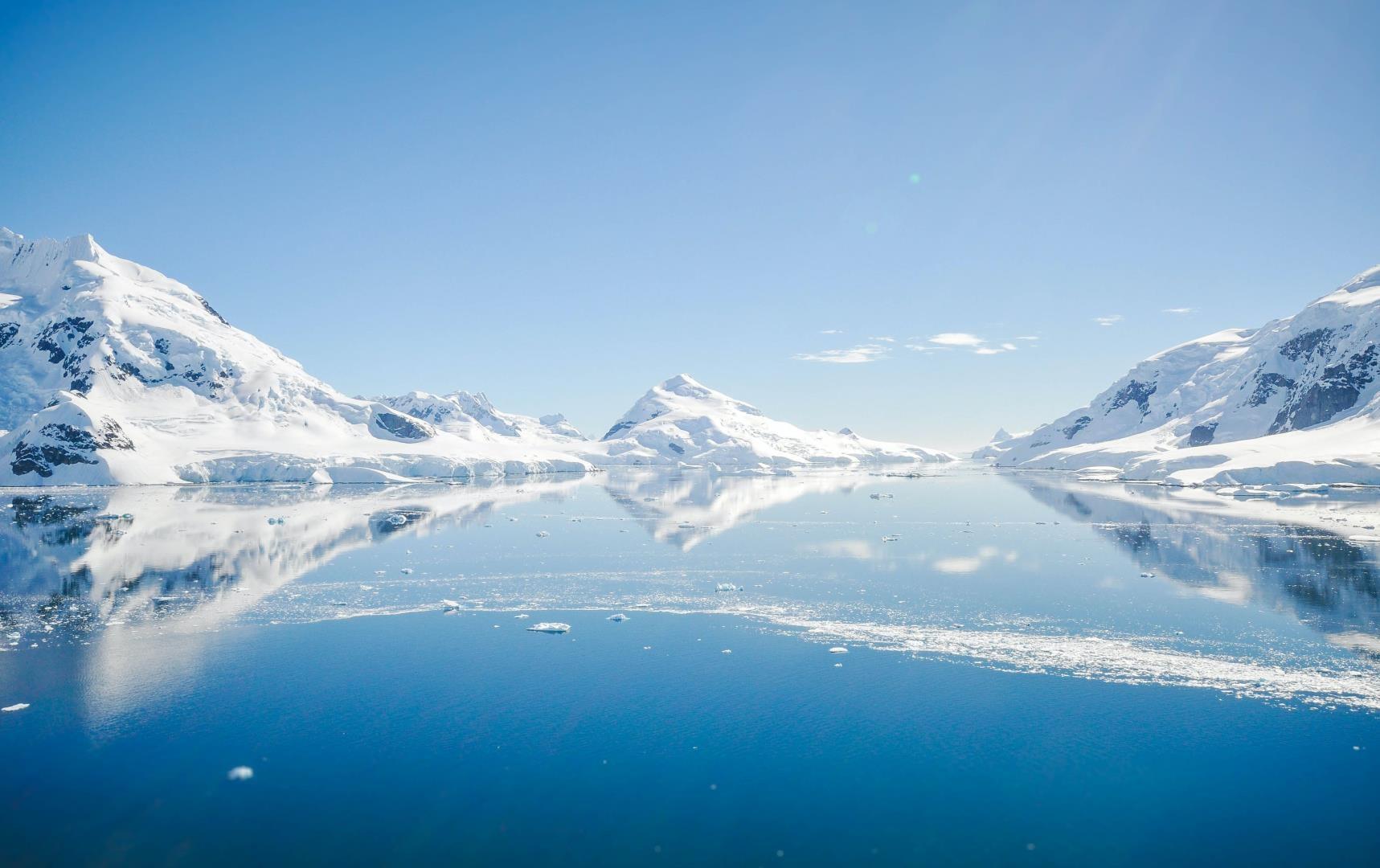
Mist, research stations, and penguins are just a few of the things that define the South Shetland Islands, an archipelago off the coast of Antarctica. These 11 Antarctic islands, most notably King George Island, have served as a base for researchers from Chile, Argentina, and a variety of other countries. The archipelago has also become a popular cruise destination for tourists to the Antarctic region.
Stresa
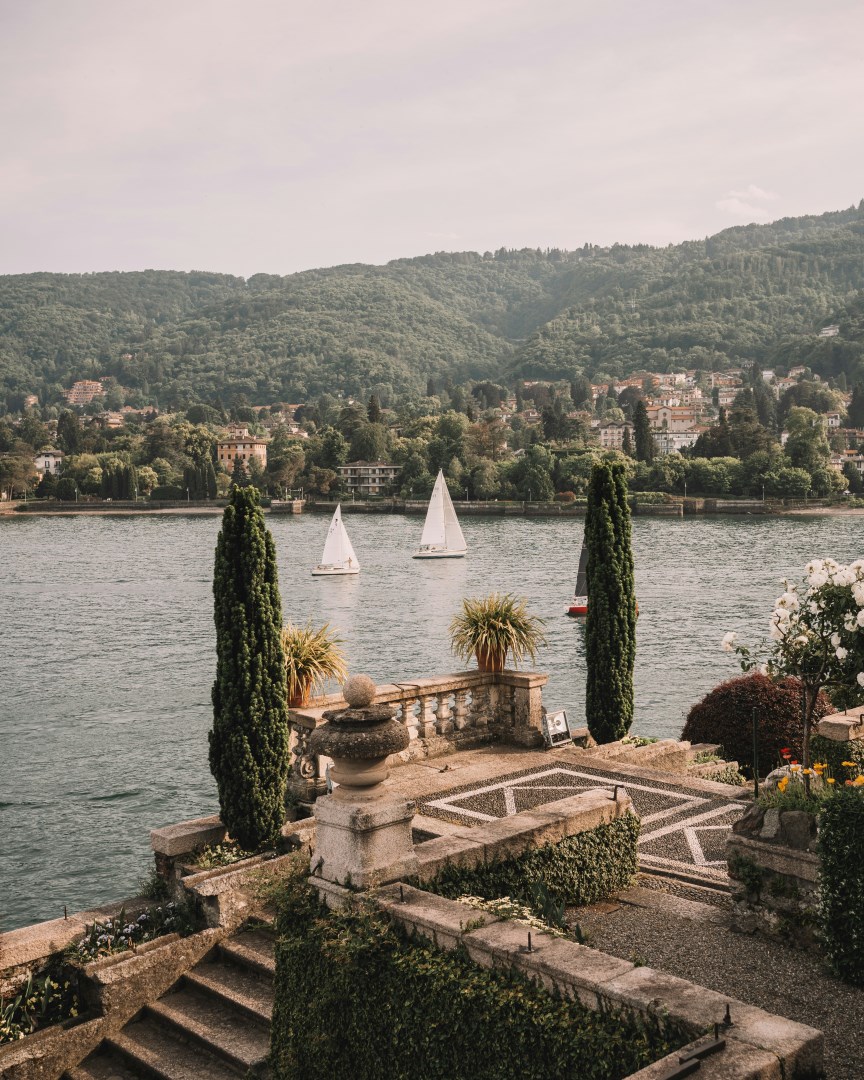
Set along the western shore of Lake Maggiore, Stresa is one of northern Italy’s most graceful lakeside towns. Its elegant promenade, framed by grandhotels and views of the Borromean Islands, has attracted travelers since the 19th century, from European nobility to writers like Ernest Hemingway.

La Romana
Whether you're a golf enthusiast, beach lover, or history buff, La Romana offers something for everyone. Its perfect mix of relaxation, culture, and adventure makes it an ideal destination for all types of travelers.
