
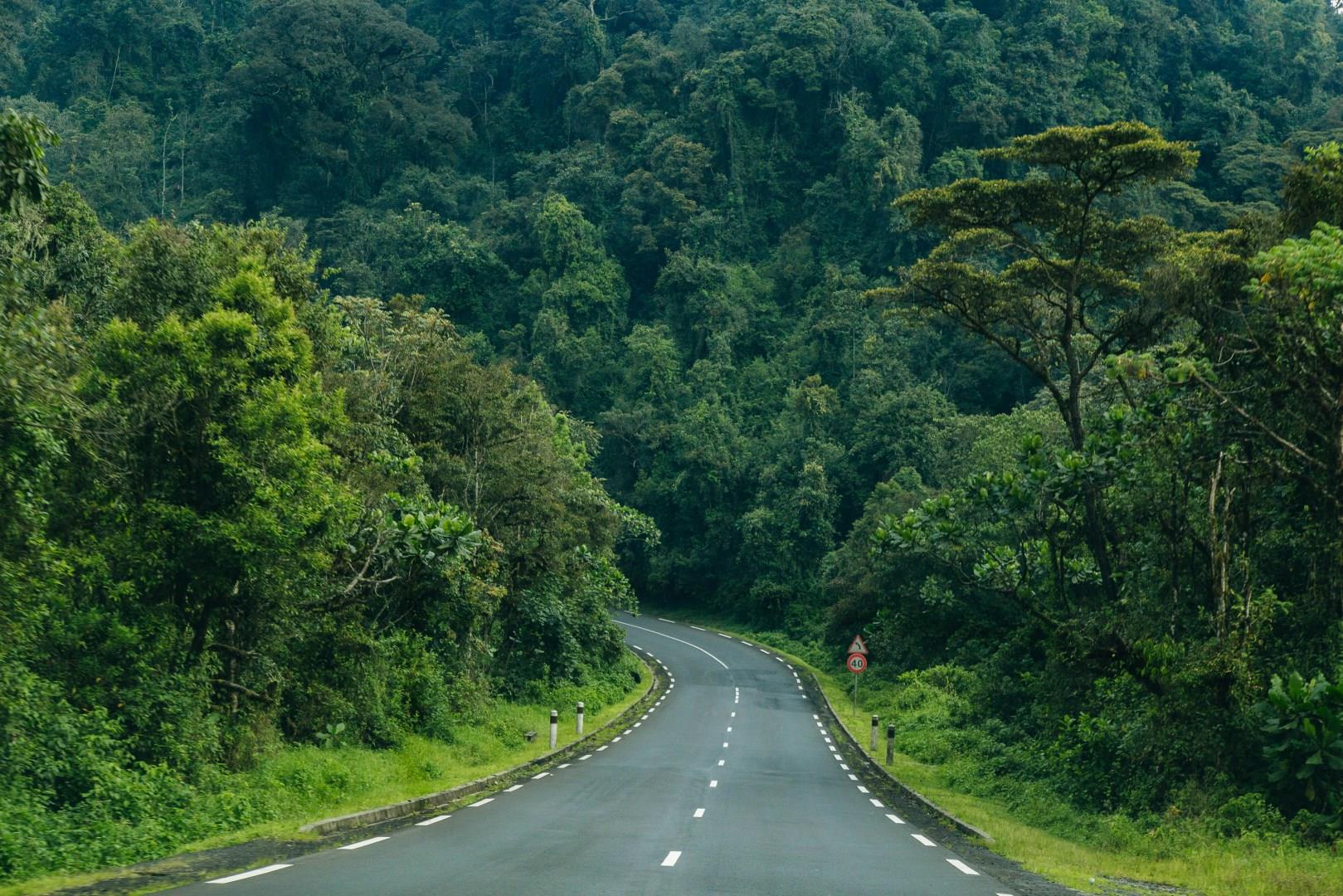
Nyungwe Forest National Park
Nyungwe Forest National Park, in southwestern Rwanda, is one of Africa’s oldest rainforests and a sanctuary of biodiversity. Spanning more than 1,000 square kilometers, the park shelters a wealth of wildlife, including over 300 bird species, 1,000 plant species, and an impressive 13 primate species.

Monkey Mia
Monkey Mia, located within the Shark Bay World Heritage Area on the western coast of Australia, is a serene paradise known for its world-famous wild dolphin encounters. This remote coastal gem, surrounded by the turquoise waters of the Indian Ocean, invites visitors to experience up-close interactions with bottlenose dolphins in their natural habitat. For over 50 years, these dolphins have made daily visits to Monkey Mia’s shores, creating a unique tradition that brings awe to travelers.
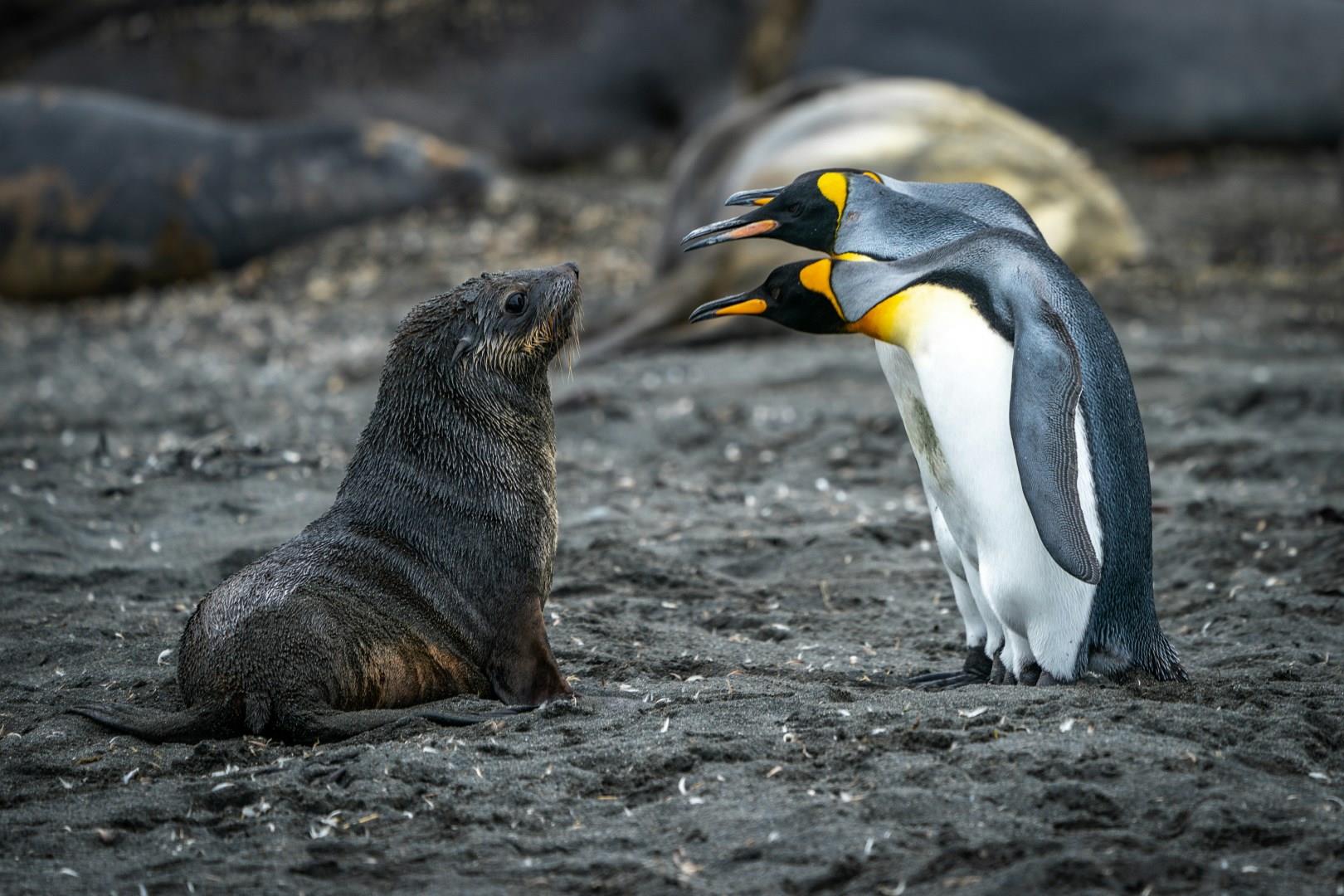
South Sandwich Islands
The South Sandwich Islands are among the most remote places on Earth, a chain of volcanic peaks rising from the Southern Ocean, over 1,300 kilometers southeast of South Georgia. With no permanent residents, no ports, and no infrastructure, these islands remain untouched by tourism in the conventional sense. What they offer instead is a rare glimpse into one of the planet’s most extreme and least disturbed environments.

Pushkar
Pushkar, a small town in the state of Rajasthan, India, is a unique blend of spirituality, culture, and natural beauty. Nestled around the serene Pushkar Lake, this holy town is a major pilgrimage site for Hindus, home to the rare Brahma Temple, one of the very few in the world dedicated to Lord Brahma, the creator god in Hinduism. The temple's striking architecture, with its red spire and intricate marble carvings, draws thousands of devotees and curious travelers alike.

Isabela Island
Isabella Island is the largest of the Galapagos islands, on the western end of the archipelago. Shaped like a seahorse when viewed from above, Isabella is home to more wild tortoises than any other island, as well as a wide variety of other animal, bird and marine life.
