

Þingvellir National Park
Thingvellir, a captivating site in Iceland, seamlessly combines natural beauty and historical significance. Located in the Thingvellir National Park, this UNESCO World Heritage Site is a geological wonder where the North American and Eurasian tectonic plates meet. The dramatic landscape features rift valleys and stunning volcanic formations, making it a paradise for hikers and nature enthusiasts.

Czech Republic
The Czech Republic is a country where centuries-old castles, storybook towns, and deeply rooted traditions coexist with vibrant art scenes and local beer halls. Prague draws the most attention, with its Gothic towers, Baroque churches, and the world’s oldest working astronomical clock, still ticking in the Old Town Square.
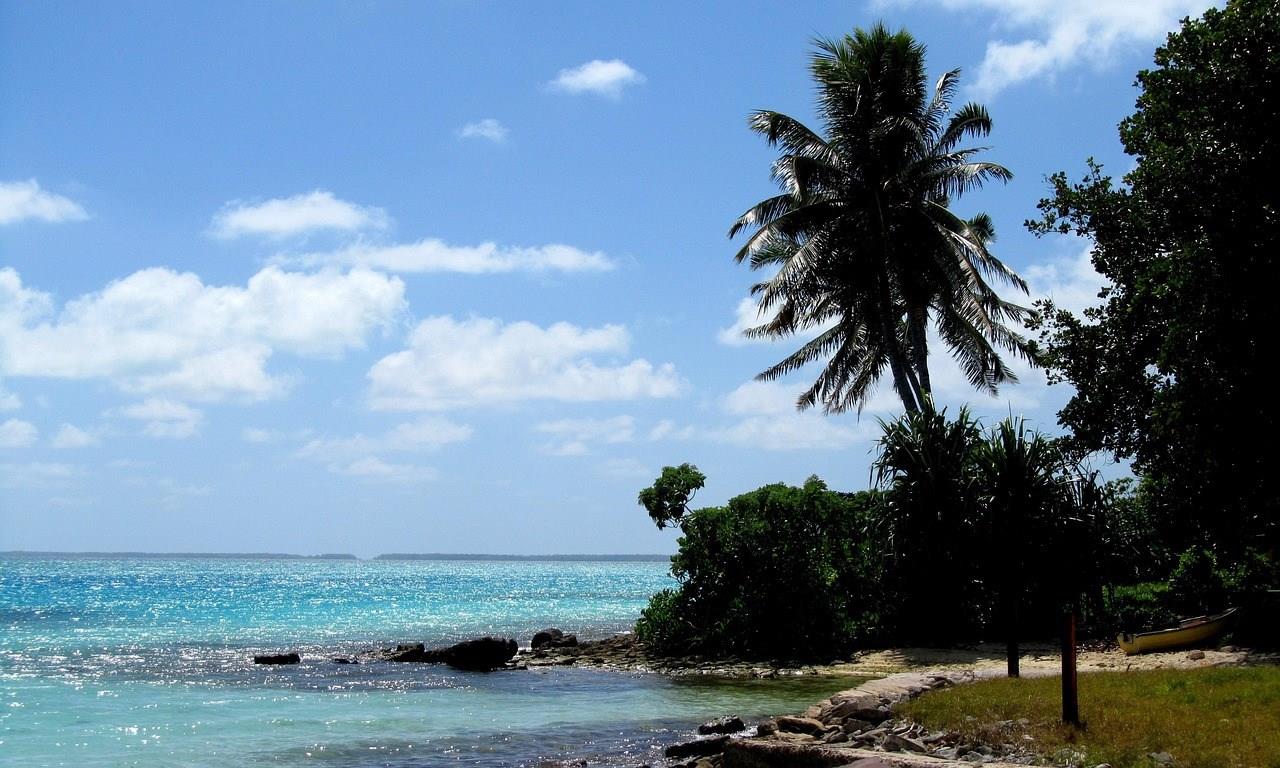
Fanning Island
Fanning Island, also known as Tabuaeran, is one of the Line Islands in the Republic of Kiribati. Sitting just four degrees north of the equator, this remote atoll is a rare find for travelers seeking raw, untouched Pacific beauty. With no large hotels or chain resorts, visitors often arrive by cruise or private yacht and are welcomed with coconut-leaf garlands and traditional songs.

Mumbai
This energetic city is home to three UNESCO World Heritage Sites: the Elephanta Caves, Chhatrapati Shivaji Maharaj Terminus, and the city's distinctive Victorian and Art Deco buildings. It is the largest city in India and contains 7 distinct districts. There is so much to see here, but the most popular tourist attractions are typically concentrated in South Mumbai such as the Elephanta Caves, the Gateway of India and Chhatrapati Shivaji Maharaj Terminus.

Boracay
Boracay, a small island in the central Philippines, is famous for its white-sand beaches and clear turquoise waters. Despite its size, the island offers a wide range of activities, from swimming and snorkeling to paddleboarding and sailing.
