

Arches National Park
Arches National Park, located in eastern Utah, is a mesmerizing landscape filled with more than 2,000 natural stone arches, pinnacles, and balanced rocks sculpted by centuries of wind and water erosion. One of the most iconic landmarks is Delicate Arch, a freestanding red rock formation that has become a symbol of Utah itself.

Marseille
Marseilles is an enticing port city known for its delectable seafood, breathtaking views of the Mediterranean, and diverse melting pot of cultures.

Acapulco
Acapulco is world-renowned for its glitz, glamour and luxury. With a reputation as a haven for the rich and famous, Acapulco has everything a traveller could hope for. No matter how much time you have, you won't have enough for Acapulco.

Burkina Faso
Who would have thought, back in the tumultuous coup and counter coup days of the 1970s, that Burkina Faso would become the cultural darling of West Africa? Unlikely as it seems, Burkina Faso has become the Utah of West Africa, hosting a biennial film festival that rivals the Sundance Film Festival for cultural clout. When it's not hosting film festivals, it's busy organizing its other biennial cultural festival.
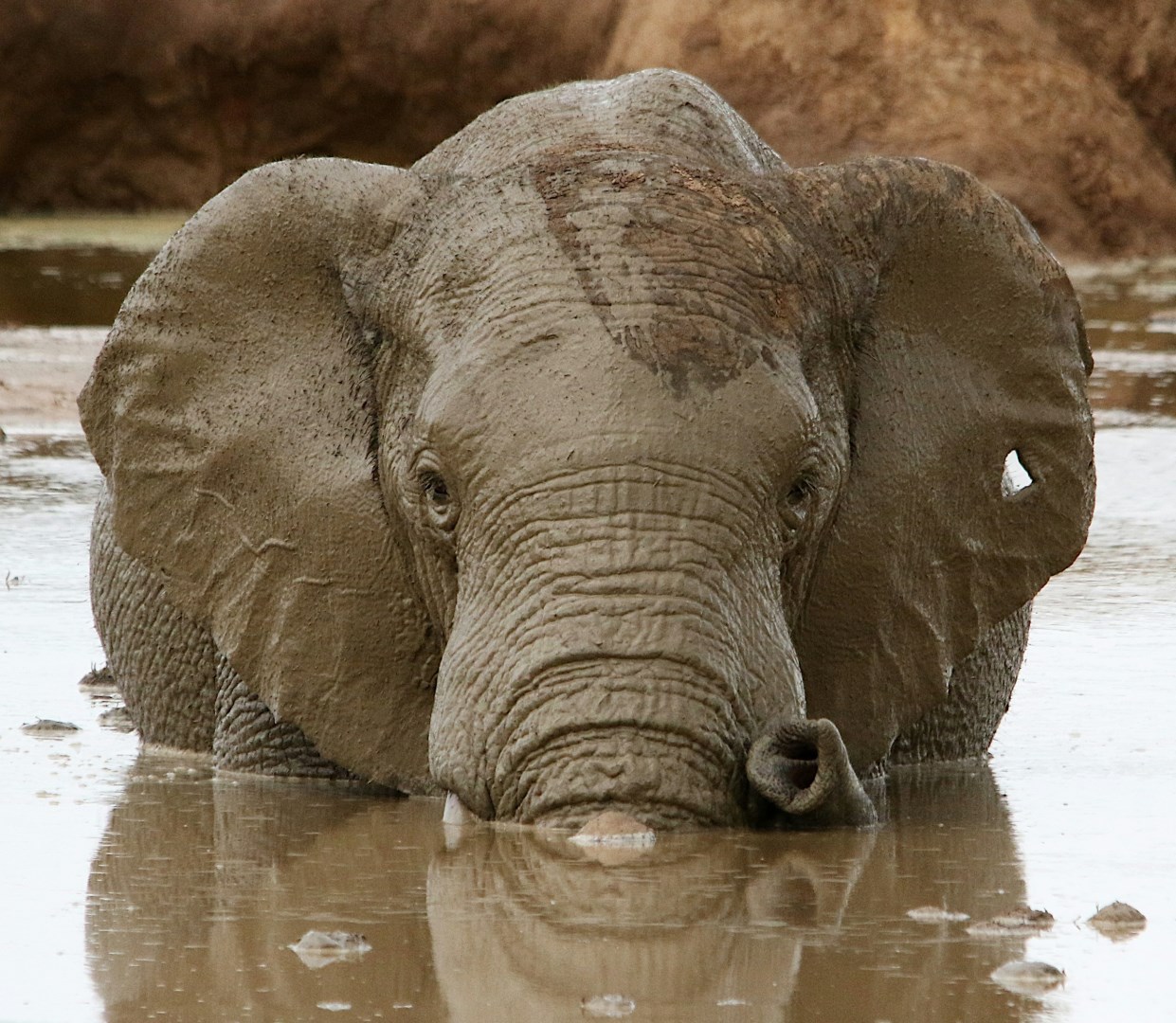
Addo Elephant National Park
Nestled in the Eastern Cape of South Africa, Addo Elephant National Park offers a unique safari experience centered around one of the country’s most impressive wildlife spectacles. Established in 1931 to protect the last remaining elephants of the region, the park now spans over 1,640 square kilometers and is home to a thriving population of more than 600 elephants.
