

Mombasa
Mombasa, Kenya’s vibrant coastal city, offers a blend of rich history, diverse cultures, and stunning beaches. As Kenya's second-largest city and its principal port, Mombasa has been a crucial crossroads for trade and culture for centuries. The historic Fort Jesus, a UNESCO World Heritage site, stands as a testament to the city's colonial past.

Pompeii
Pompeii, Italy, is a mesmerizing time capsule that invites travelers to step back into the world of ancient Rome. Once a thriving city, Pompeii was abruptly buried under volcanic ash and pumice following the catastrophic eruption of Mount Vesuvius in 79 AD. This tragic event preserved the city in remarkable detail, allowing visitors today to walk the cobbled streets and witness a snapshot of Roman life, from grand villas and bathhouses to bakeries and amphitheaters.
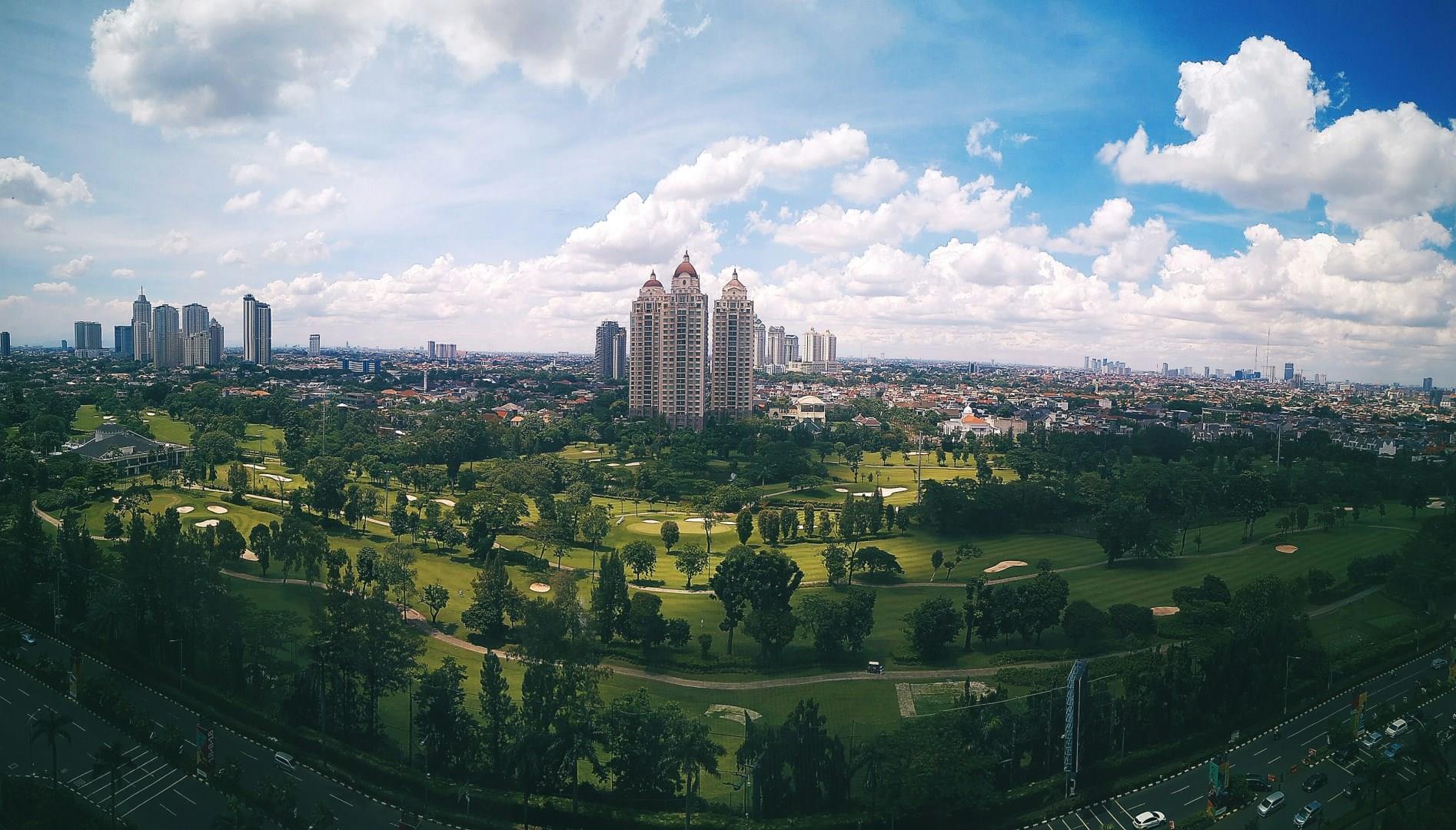
Jakarta
Jakarta, the capital of Indonesia, is a city where centuries of history meet modern energy. Located on the island of Java, it has long been a hub for trade and culture, drawing influences from across Asia, the Middle East, and Europe.

Mikumi National Park
Mikumi National Park, located in Tanzania's southern highlands, offers a pristine and relatively undiscovered safari experience. Spanning over 3,230 square kilometers, Mikumi is part of the larger Selous Ecosystem, providing a diverse range of habitats from open grasslands to dense miombo woodlands. This park is an excellent choice for those seeking a more tranquil alternative to the more frequented Serengeti and Ngorongoro Crater.

Udaipur
Udaipur, often referred to as the "City of Lakes," is one of India’s most enchanting destinations, nestled in the state of Rajasthan. Known for its opulent palaces, tranquil lakes, and rich history, Udaipur offers a romantic getaway steeped in royal heritage. The crown jewel of the city is the magnificent City Palace, a sprawling complex perched on the banks of Lake Pichola.
