
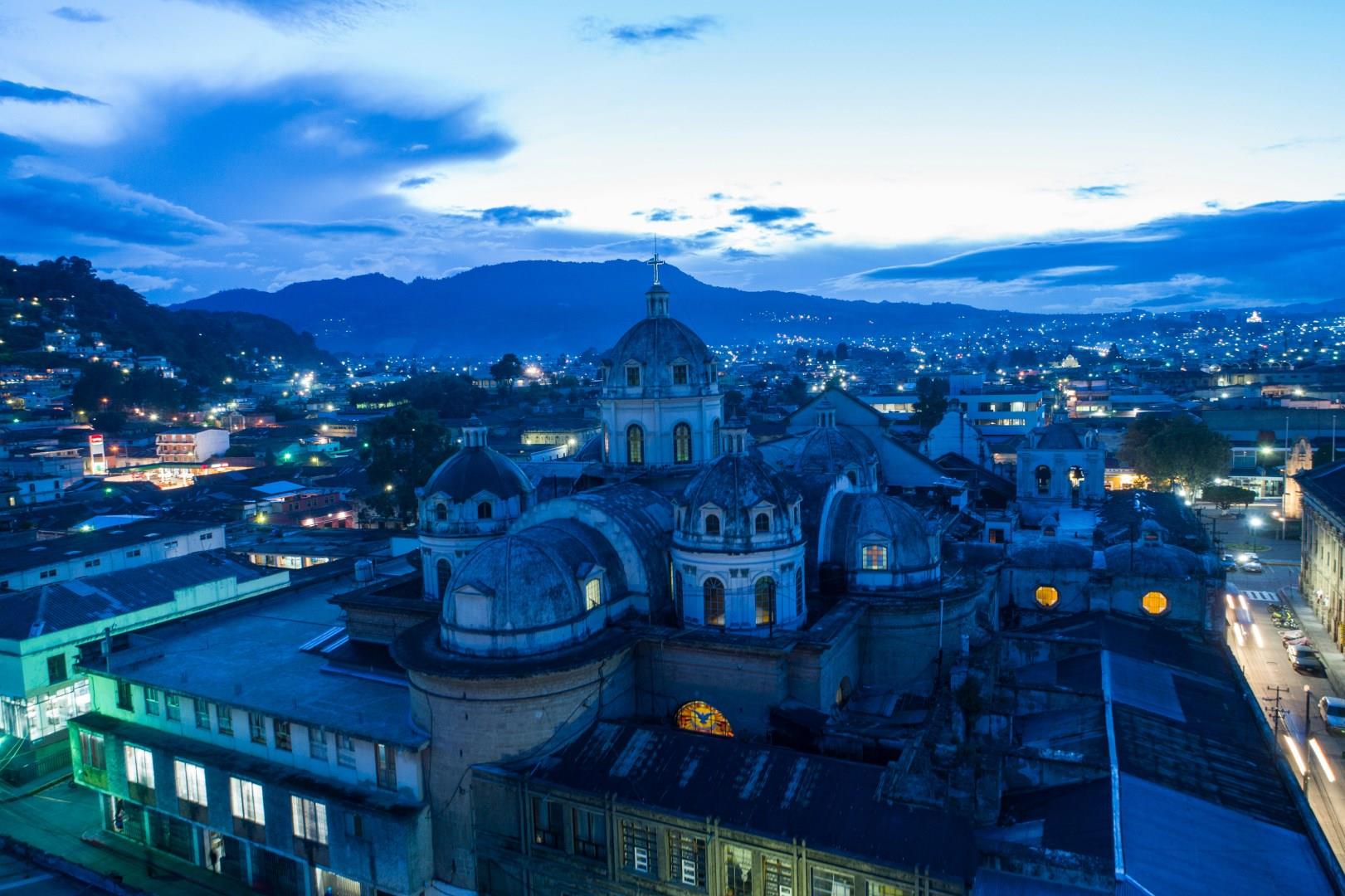
Quetzaltenango
Quetzaltenango, often called Xela by locals, is Guatemala’s second-largest city and a hub of indigenous culture, colonial history, and highland landscapes. Surrounded by volcanoes, including the towering Santa María, the city sits at over 7,600 feet above sea level, giving it a crisp mountain climate that contrasts with the country’s tropical lowlands.

Curacao
Curacao, a gem in the Caribbean Sea, offers a captivating blend of Dutch colonial charm and vibrant Caribbean culture. Its capital, Willemstad, is a UNESCO World Heritage Site renowned for its colorful 17th-century architecture and historic waterfront. The city's iconic Handelskade, lined with pastel-hued buildings, presents a picturesque setting for leisurely strolls and waterfront dining.

Rhode Island
Rhode Island may be the smallest state in the U.S., but it offers an outsized variety of experiences, from colonial history to coastline escapes. Founded in 1636 by Roger Williams as a haven for religious freedom, the state still reflects its independent spirit. In Providence, travelers can visit the John Brown House Museum to explore the city’s role in early American commerce, or walk Benefit Street, lined with preserved 18th- and 19th-century homes.
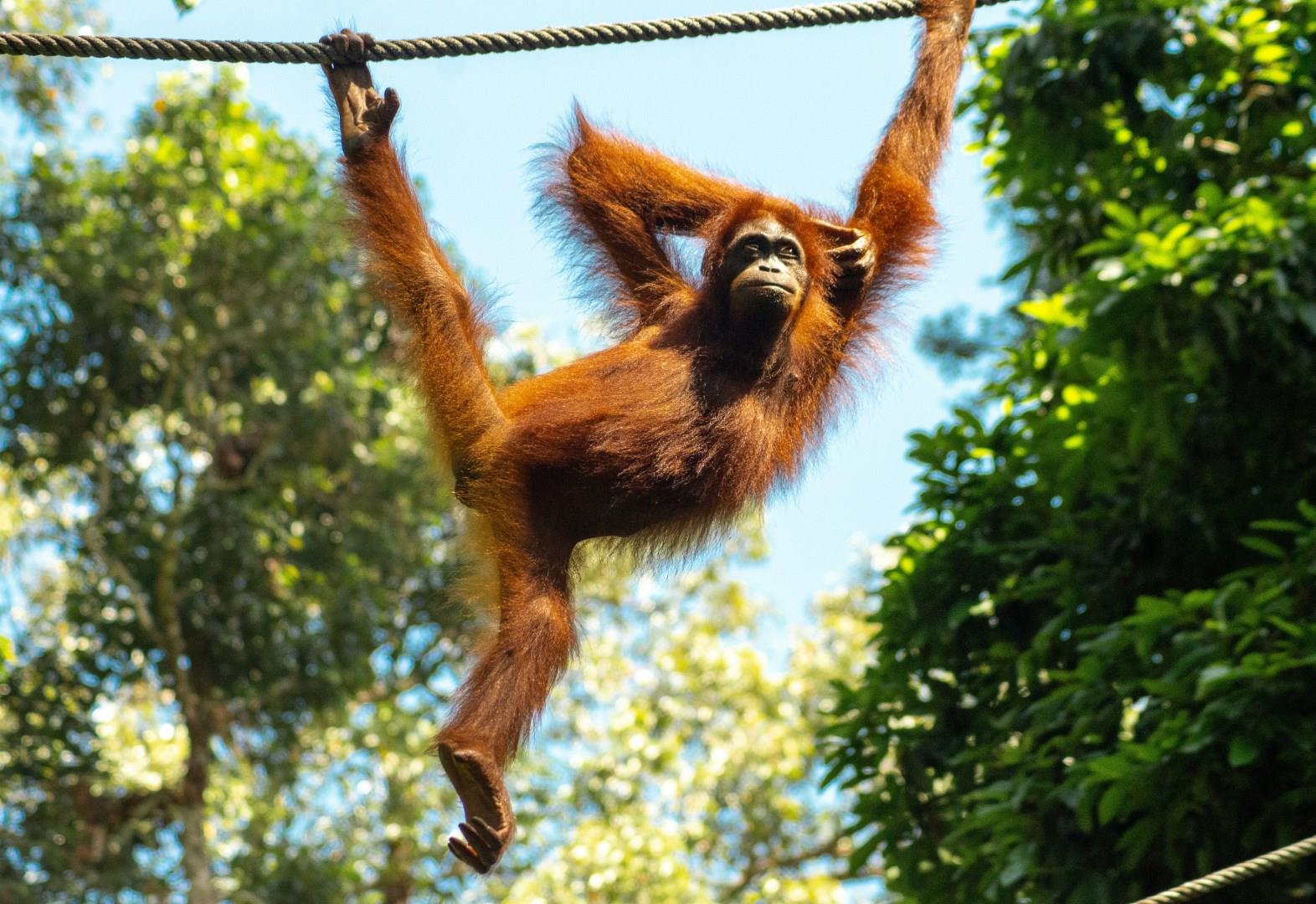
Sandakan Sabah
Sandakan, on the northeast coast of Sabah in Malaysian Borneo, is a city where history, wildlife, and culture come together. Once a major trading port known as “Little Hong Kong” for its bustling connections to the wider world, Sandakan has retained its multicultural character, with influences from Chinese, Malay, and Indigenous communities visible in its temples, markets, and cuisine.
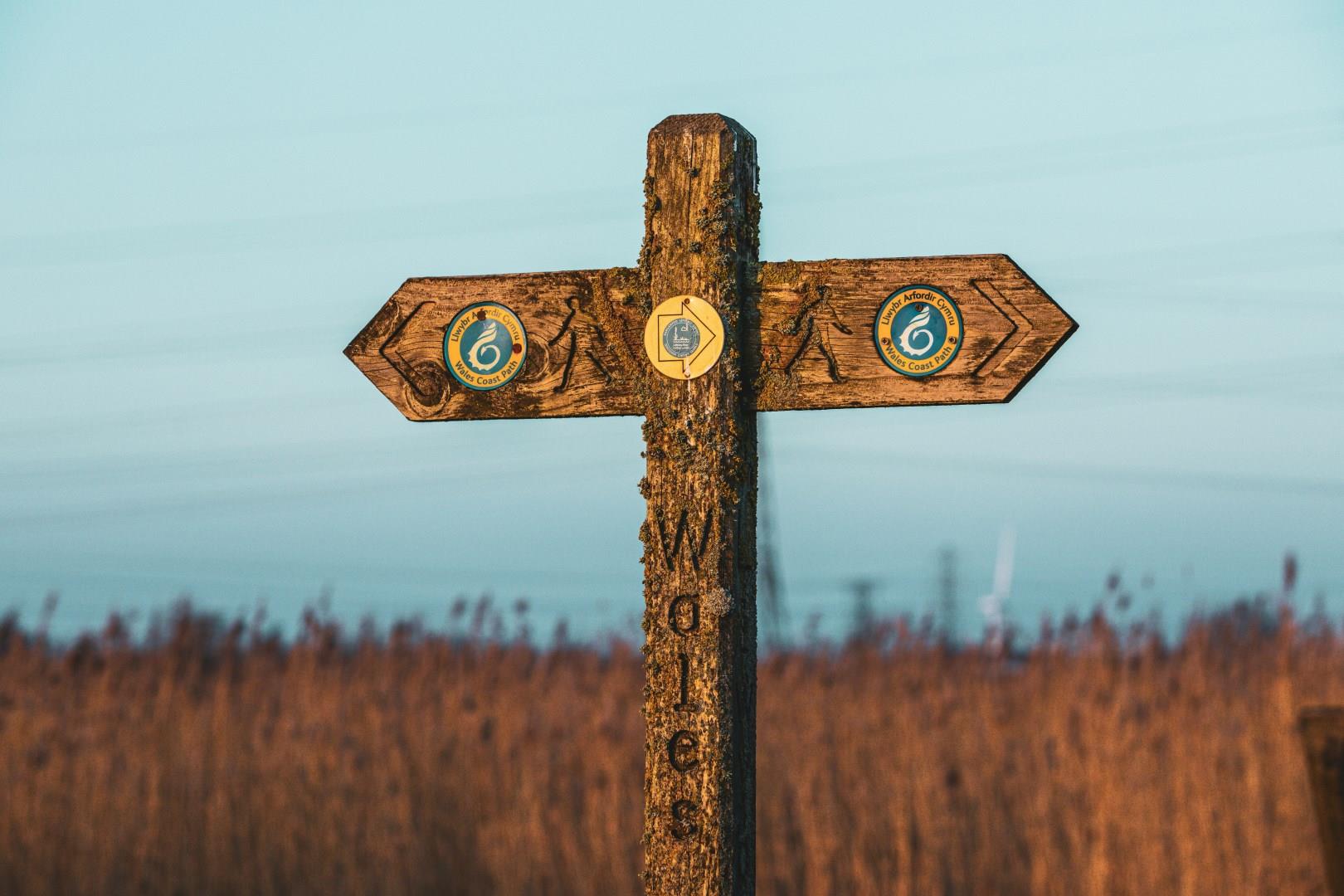
Newport
Newport, a historic city on the River Usk in southeast Wales, blends its industrial heritage with a growing reputation for culture and green spaces.
