
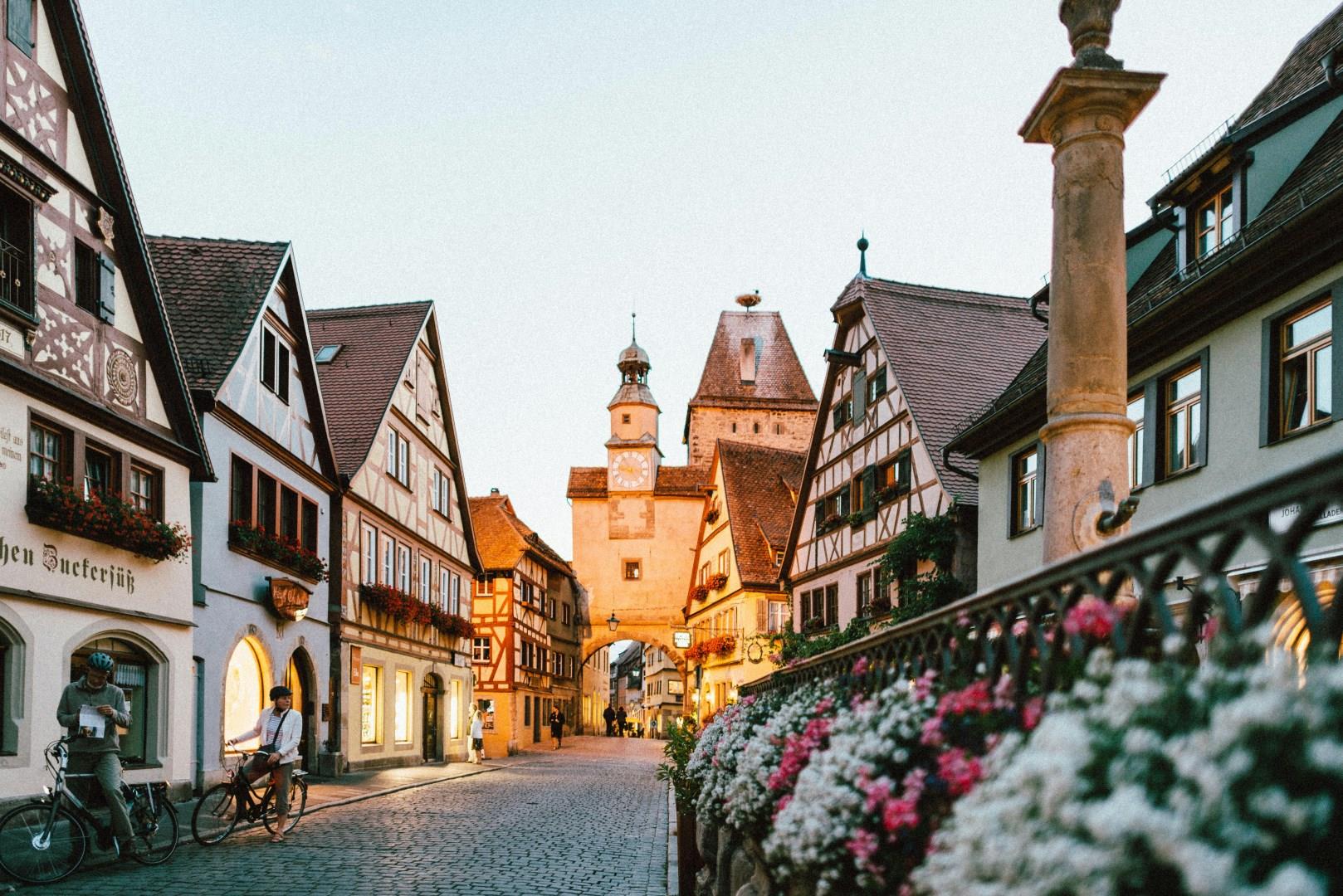
Rothenburg
Rothenburg ob der Tauber rises above the Tauber River in Bavaria, where its medieval town center has stood largely unchanged for centuries, making it one of Germany’s most vivid windows into the past. This old walled city stretches along cobblestone streets where half-timbered houses, ancient towers, and narrow alleys invite visitors to wander and imagine life in the Middle Ages.

Bay of Islands
Three hours north of Auckland, a chain of verdant islands meet glittering turquoise waters in the Bay of Islands. This subtropical paradise will astound you with its abundance of natural beauty and marine life. Sail to the Bay of Islands, and you'll find plenty to see and explore. Hike to stunning Rainbow Falls, kayak along the shores of New Zealand's lush coastline, and keep an eye out for whales, dolphins, penguins, and a variety of colorful parrots.

Española Island
Española Island lies in the southeastern part of the Galápagos archipelago. Highlights of this tropical paradise include Punta Suarez, a popular scenic point for bird watching, and the beaches of Bahía Gardner on the island's north coast.
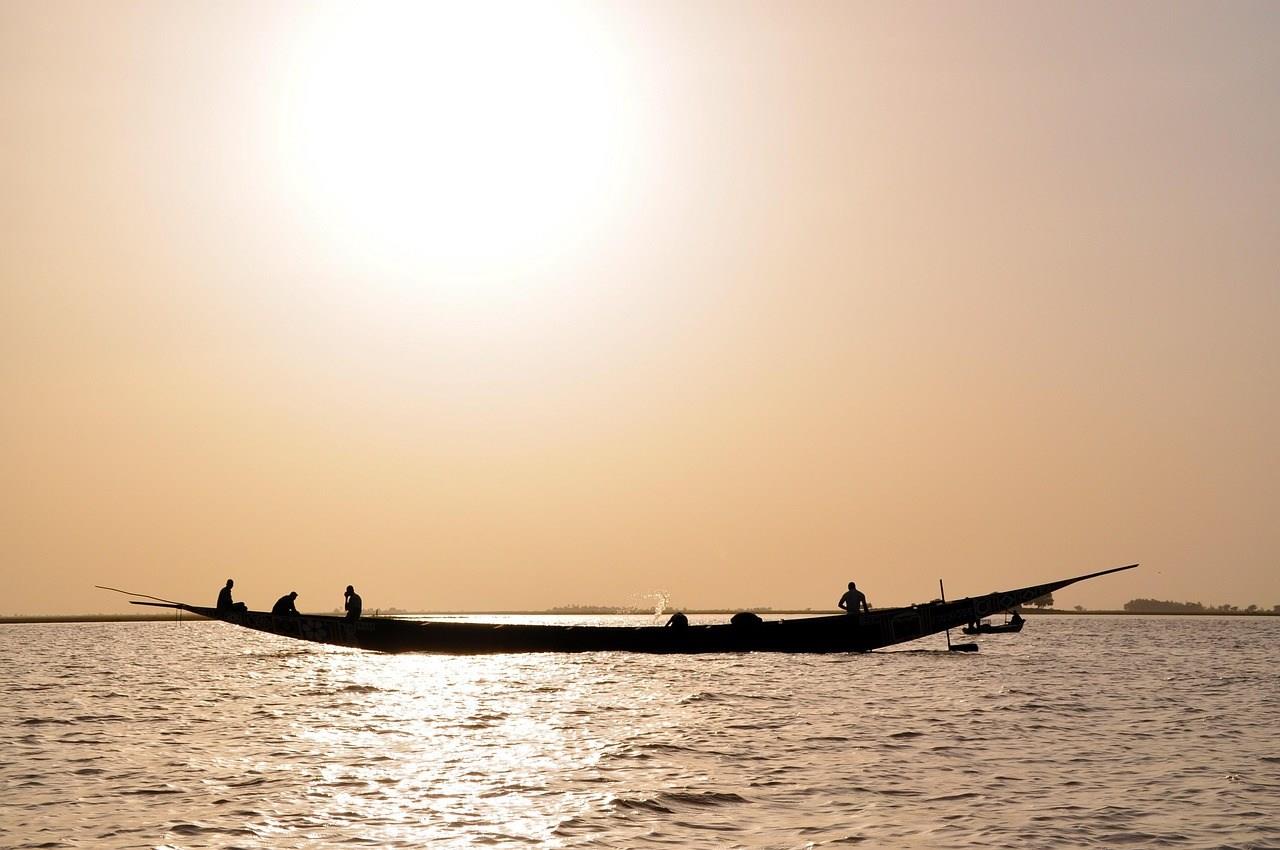
Niger
Niger, located in West Africa, is a country of vast landscapes and diverse cultures. Much of its territory is covered by the Sahara Desert, with rolling sand dunes, rocky plateaus, and oasis towns defining the northern regions.

Central Asia
South Central Asia offers travelers a journey through vivid contrasts, where centuries-old temples stand beside bustling modern cities, and tea-covered hills roll into dense tropical forests. In India, visitors can witness the grandeur of Mughal architecture at the Taj Mahal, then find serenity at the ghats of Varanasi, where rituals have continued for thousands of years.
