

Dominica
Dominica, known as the “Nature Island of the Caribbean,” is a haven for eco-tourists and adventure seekers. Nestled between the French islands of Guadeloupe and Martinique, this lush island boasts a remarkable landscape of volcanic mountains, dense rainforests, and stunning waterfalls. Dominica’s most iconic natural wonder is the Boiling Lake, the second-largest hot spring in the world.
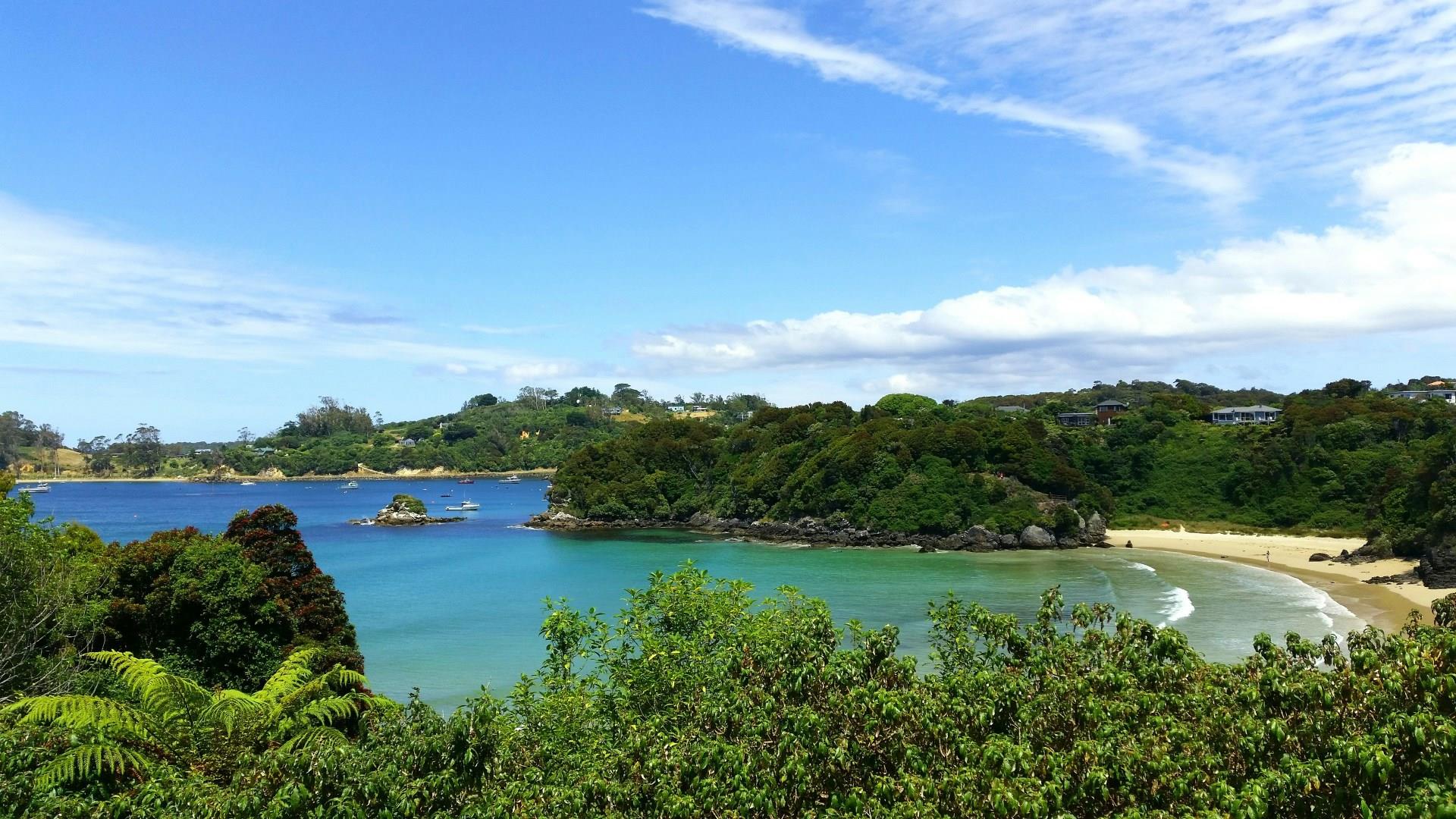
Stewart Island / Rakiura
Stewart Island, known in Māori as Rakiura, lies off the southern coast of New Zealand and is the country’s third-largest island.

Veere
Once a big, bustling sea port for the Scottish wool trade and known as Kampvere, Veere is now a small village whose economy mainly relies on tourism. A major point of interest for visitors is the Campveerse Toren (Campvere Tower), built as part of the city defenses around 1500 and now serving as one of the oldest inns in the Netherlands
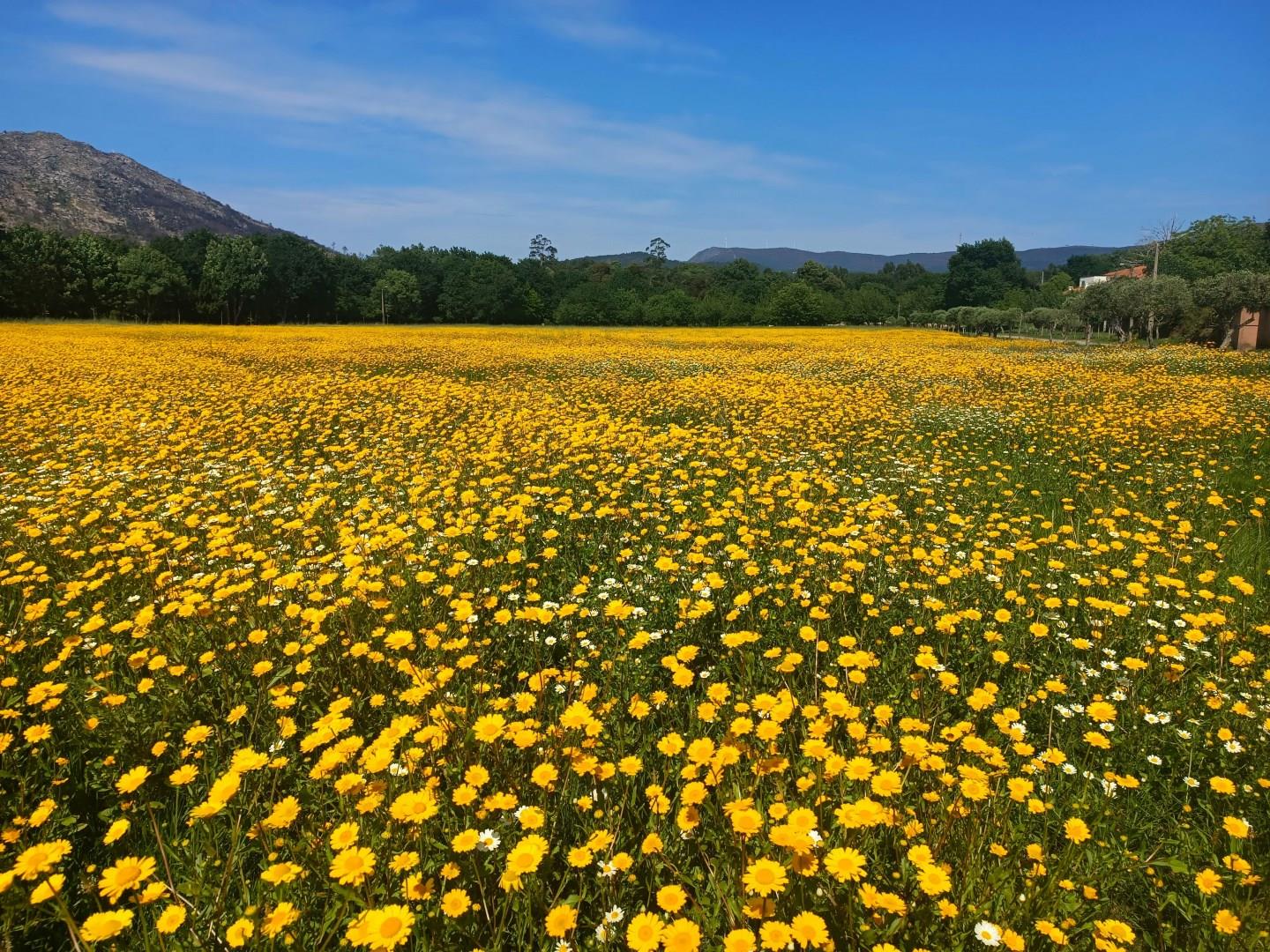
Caminha
Caminha sits at Portugal’s northern edge, where the Minho River meets the Atlantic and marks the border with Spain. Its history is closely tied to defense and trade, visible in remnants of medieval walls and a compact historic center that once guarded the river mouth.

Pigeon Forge
Nestled in the heart of the Smoky Mountains, Pigeon Forge, Tennessee, is a charming destination that combines natural beauty with family-friendly attractions. This small town, known for its close proximity to the Great Smoky Mountains National Park, offers visitors an array of outdoor adventures, including hiking, fishing, and wildlife viewing.
