
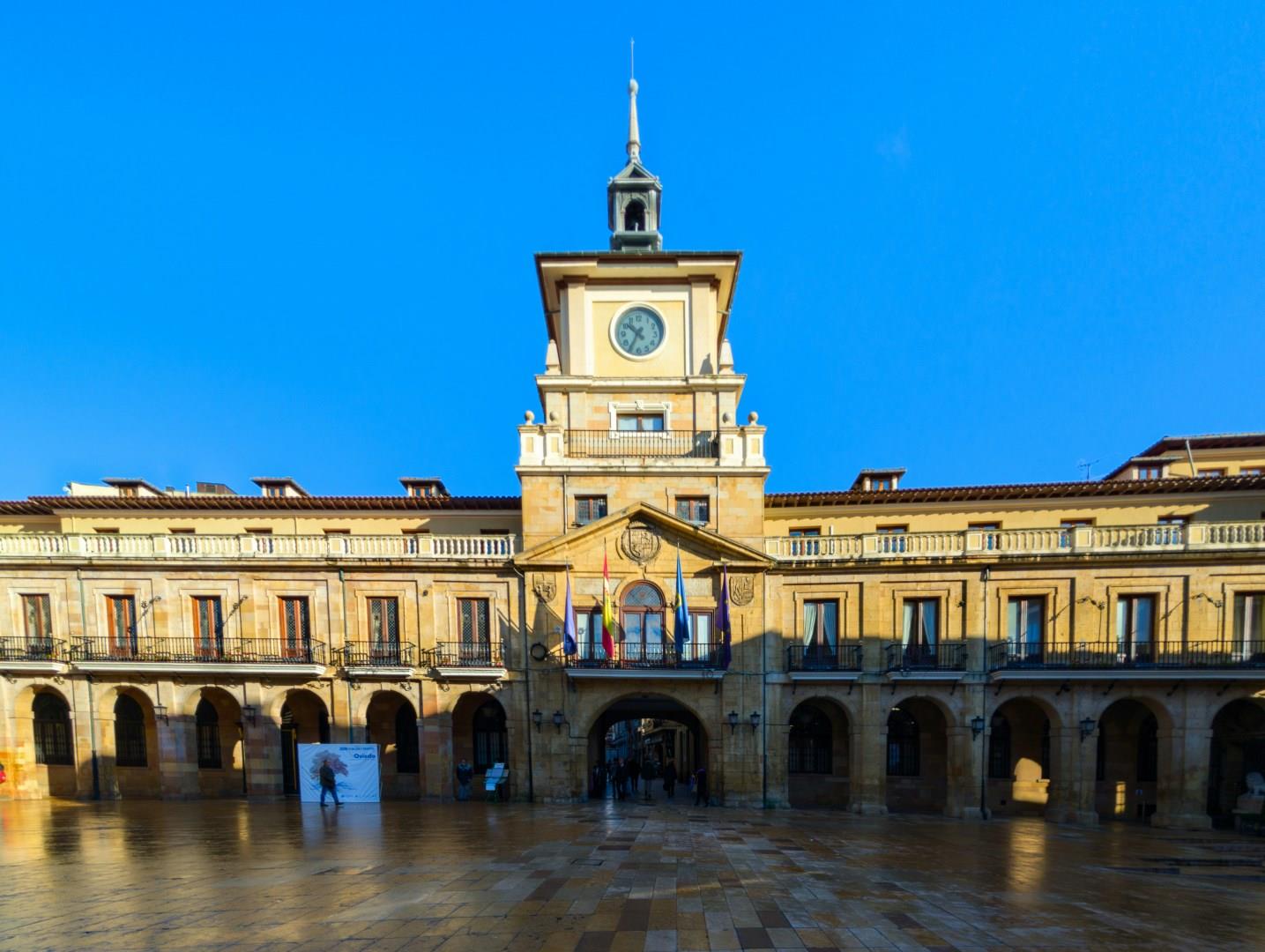
Oviedo
Oviedo, the capital of Asturias in northern Spain, offers a rare mix of medieval heritage and everyday life that feels rooted rather than staged. The city’s historic center is home to some of the oldest pre-Romanesque buildings in Europe, including the UNESCO-listed Santa María del Naranco and San Miguel de Lillo. Cider, not wine, defines the local table. Oviedo is surrounded by apple orchards, and the traditional drink, sidra natural, is poured from a height by skilled escanciadores.

Latvia
Latvia invites visitors to explore a land where medieval streets meet vast forests and a lively coastline. Riga, the country’s capital, is home to one of the largest and best-preserved collections of Art Nouveau architecture in Europe. Walking through the Old Town, visitors can admire intricate facades and cobblestone streets that lead to landmarks like the House of Blackheads and St. Peter’s Church, whose tower offers panoramic views of the city.

Vanuatu
Vanuatu, a chain of 83 islands in the South Pacific, offers travelers an experience that’s both bold and deeply rooted in custom. Once known as the New Hebrides, Vanuatu blends ancient Melanesian traditions with dramatic landscapes shaped by volcanic activity. On Tanna Island, visitors can stand at the rim of Mount Yasur, one of the world’s most accessible active volcanoes, and watch fiery eruptions light up the night sky.
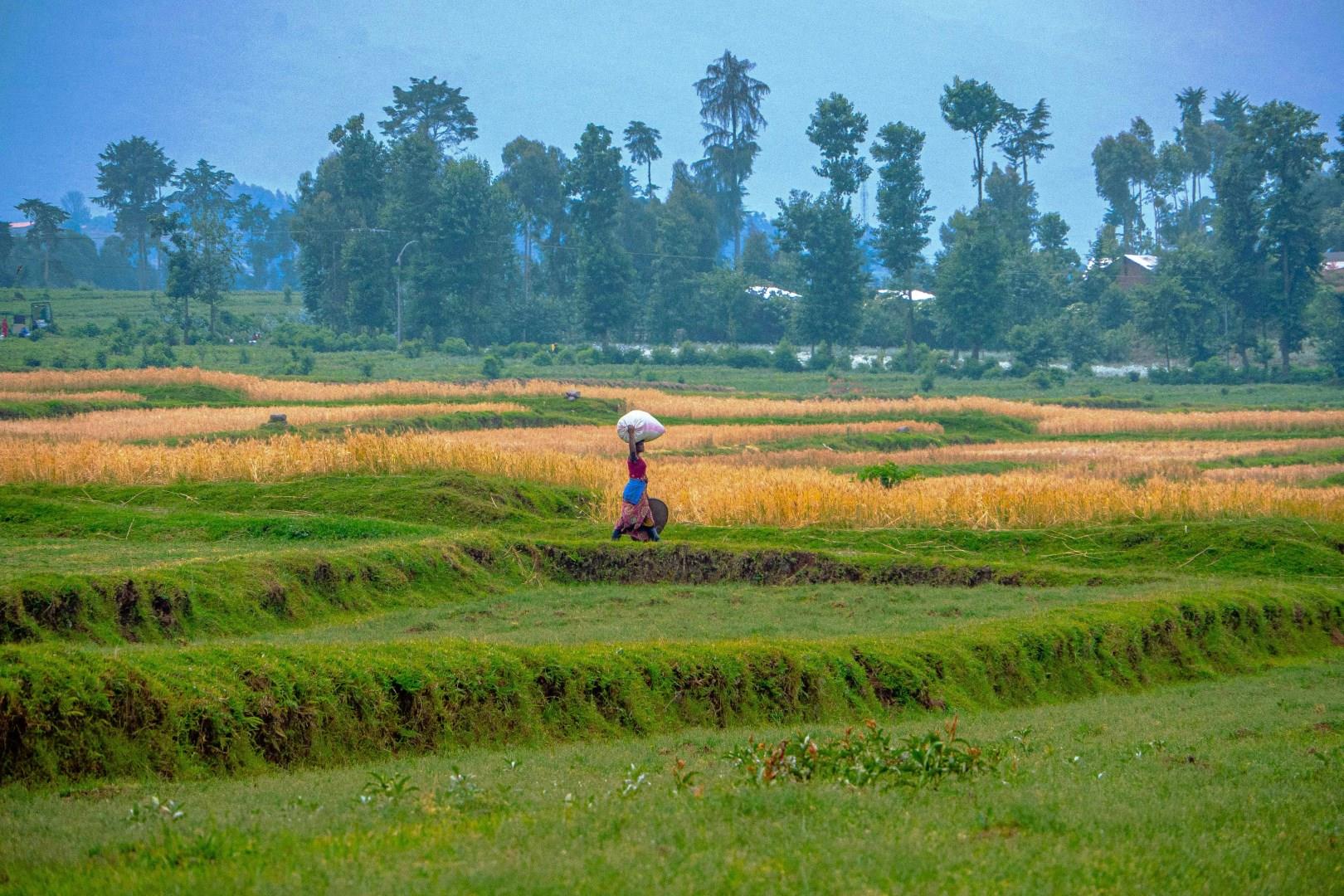
Ruhengeri
Ruhengeri, officially known as Musanze, lies in northern Rwanda at the foothills of the Virunga Mountains. The town has long served as a gateway between Rwanda and neighboring Uganda and the Democratic Republic of the Congo, giving it both strategic and cultural importance.

Malé
Located southwest of India and Sri Lanka, this small yet dense island capital is the cultural center of the Maldives.
