
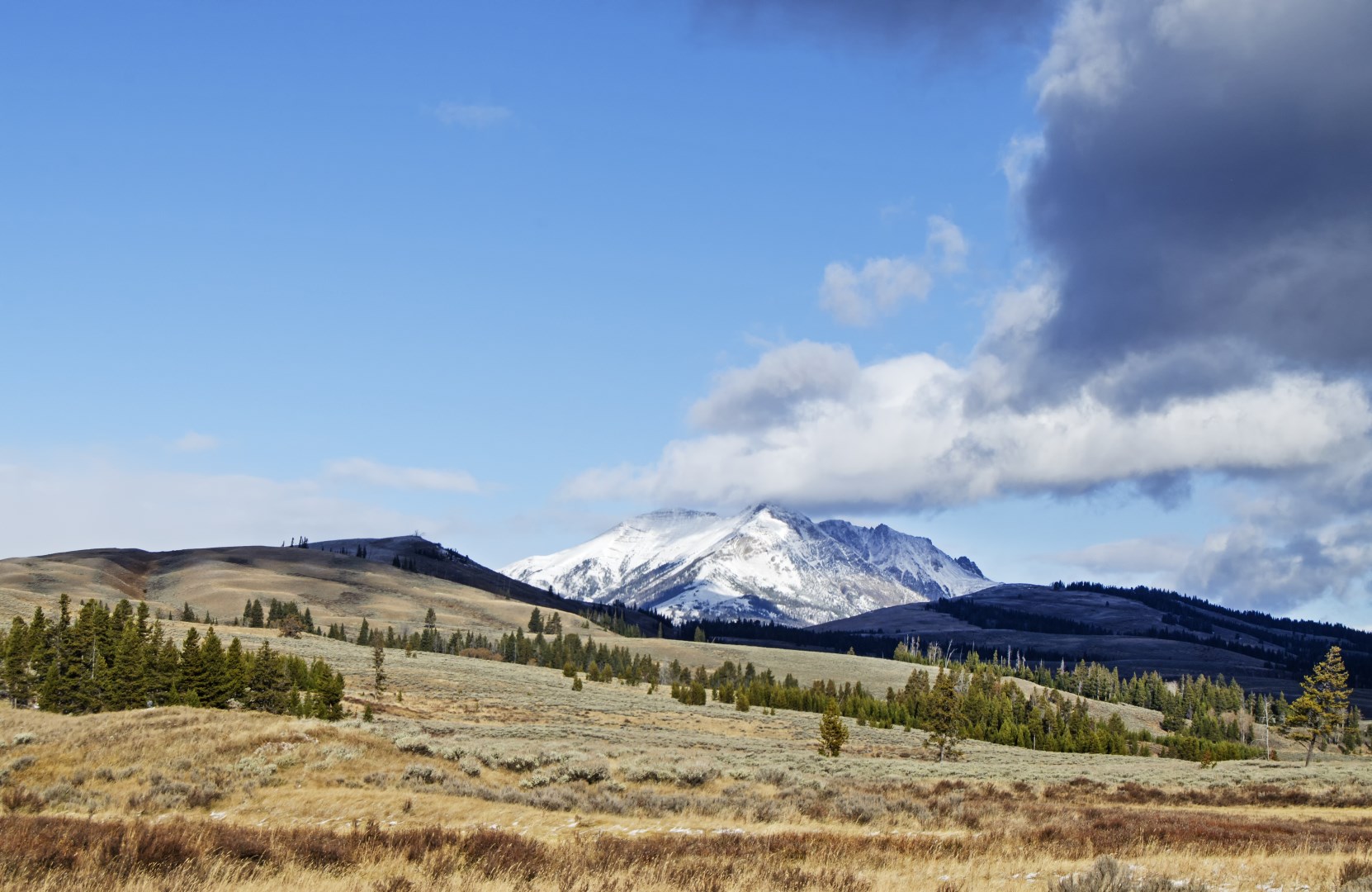
West Yellowstone
West Yellowstone, Montana sits right at the edge of one of the most visited protected landscapes in the United States, serving as a gateway to vast forests, geothermal fields, and wide open valleys. The town is built around travel into nearby wilderness, with simple log-style buildings, outdoor gear shops, and easy access points that lead directly toward major park entrances.
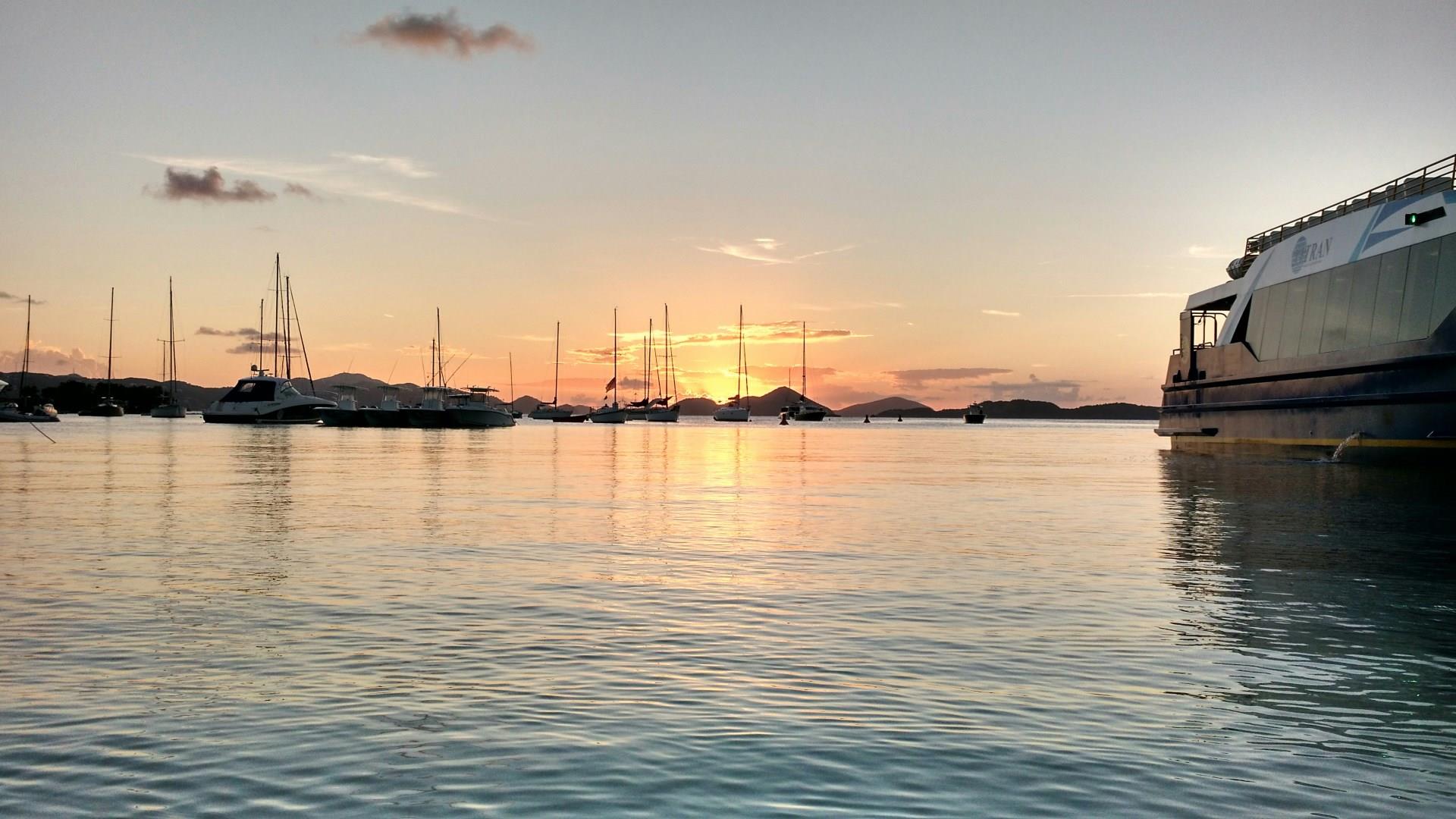
Cruz Bay
Cruz Bay is the welcoming gateway to St. John in the U.S. Virgin Islands, where vibrant Caribbean life meets rich island history. Stepping off the ferry from nearby St. Thomas, visitors find themselves in a lively waterfront town filled with cafés, bars and boutiques that lead toward sandy streets and shimmering views of the bay. This small town is also home to the Cruz Bay Visitor Center, a helpful place to start planning outings into Virgin Islands National Park and to learn about the island.
Kanchanaburi
Kanchanaburi, a province in western Thailand, is best known for its poignant history and lush landscapes. It was here that Allied prisoners of war and Asian laborers were forced to build the infamous Death Railway during World War II, including the Bridge over the River Kwai, which remains a powerful symbol of resilience.

Kamloops
Kamloops, located in the interior of British Columbia, sits at the meeting point of the North and South Thompson Rivers. The name comes from the Secwépemc word “Tk’emlúps,” meaning "where the rivers meet," and the area has been a gathering place for Indigenous communities for thousands of years. Today, visitors can explore this rich cultural heritage at the Secwépemc Museum and Heritage Park, where trails lead through archaeological sites and reconstructed pit houses.

South Africa
South Africa is a country where landscapes and cultures unfold in remarkable variety. From the rugged cliffs of the Cape of Good Hope to the open plains of Kruger National Park, it offers experiences shaped by both nature and history.
