

Reykholt
Nestled in the scenic Borgarfjörður region of Iceland, Reykholt is a quaint village steeped in historical significance and natural beauty. While it is well known as a center of learning and culture during the medieval period, Reykholt is also famed for its stunning landscapes and geothermal activity. The town's nearby hot springs, including the historic Snorralaug, a medieval bathhouse, offer a unique opportunity to soak in waters that have been enjoyed for centuries.
Telavi
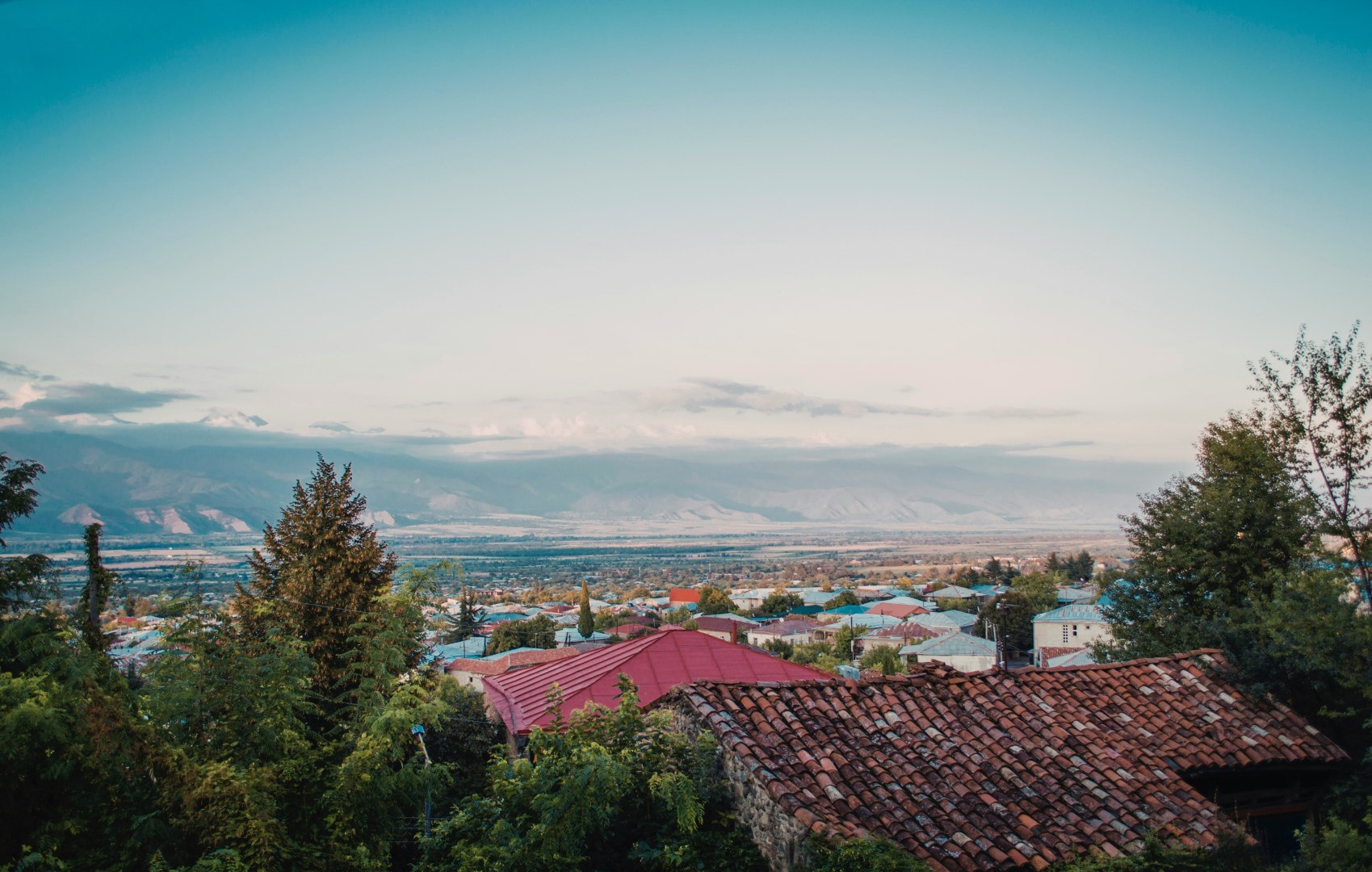
Telavi is the administrative center of Georgia’s Kakheti region, located between the Gombori mountain range and the Alazani Valley. The town is known for its connection to winemaking, traditional balconies, and views toward the snow-covered Caucasus Mountains.
Switzerland
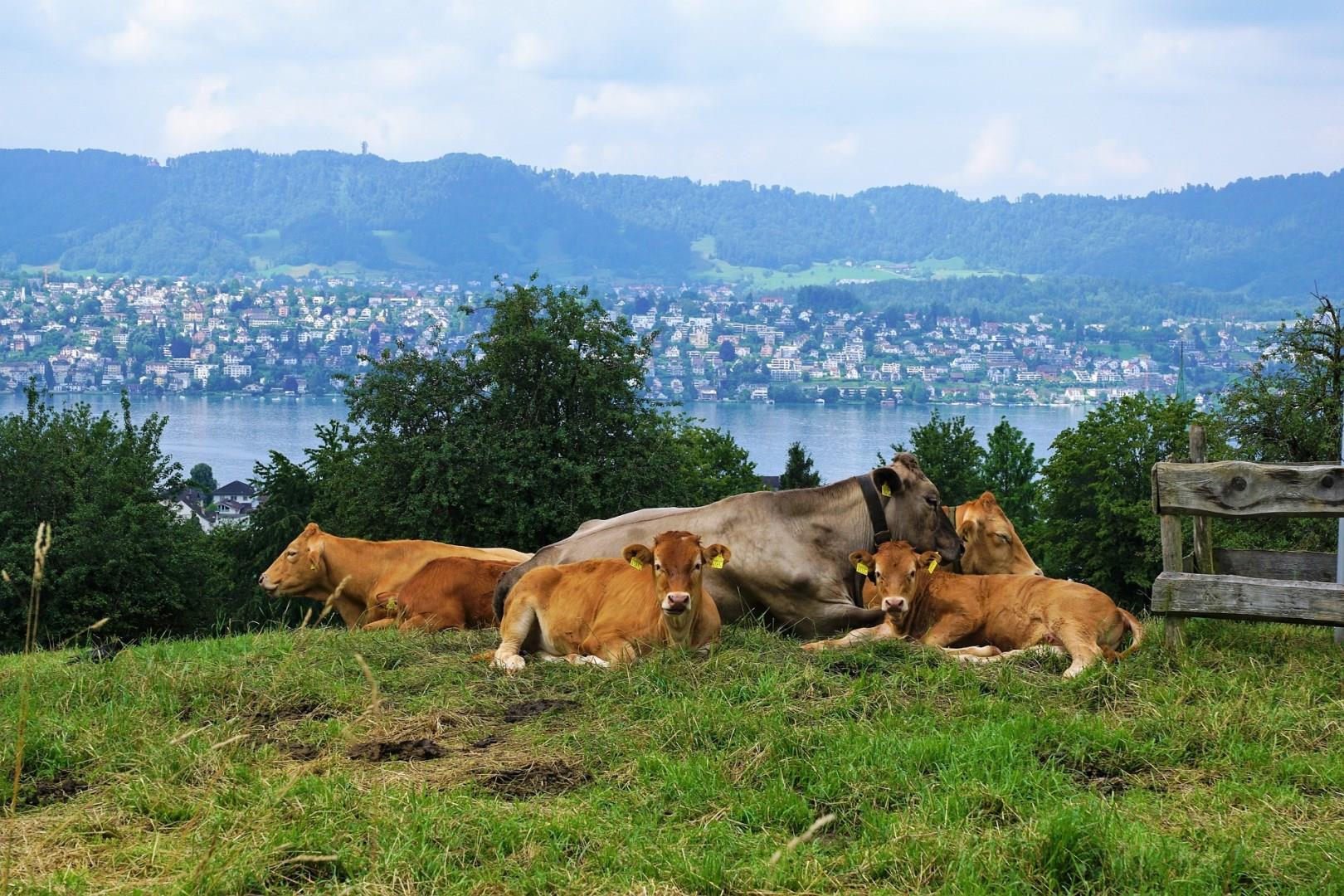
Switzerland's daily life appears to be full of contradictions: the old and the new, natural beauty and industrial production, neutrality and international frankness. These sharp contrasts go hand in hand, and this unity is the real reason that this small country in the heart of Europe has developed into such an important communication and trading partner in the world today. It is Switzerland's contrasts - its diversity which attracts both the businessman and the tourist alike.

Zagreb
Zagreb, the vibrant capital of Croatia, is a city where history, culture, and a youthful spirit collide in an unforgettable way. Wander through the cobblestone streets of the Upper Town (Gornji Grad) and marvel at its medieval architecture, such as the iconic St. Mark's Church, known for its colorful tiled roof depicting the coat of arms of Zagreb and the Kingdom of Croatia.

Molde
Nestled along the fjord-studded coastline of Norway, Molde is renowned for its breathtaking natural beauty and rich cultural heritage. Often called the "City of Roses" for its flourishing gardens and floral displays, Molde offers visitors a stunning panorama of 222 mountain peaks visible from its scenic viewpoints, including the renowned Varden Viewpoint. This spot provides an unparalleled vista of the surrounding fjords and peaks, making it a must-see for any nature enthusiast.
