

Mount Kilimanjaro
Mount Kilimanjaro, located in Tanzania, stands as Africa’s highest peak and an iconic symbol of adventure. This majestic stratovolcano rises 5,895 meters (19,341 feet) above sea level, making it one of the world’s most accessible high summits. Climbing Kilimanjaro offers a unique opportunity to traverse multiple climate zones, from lush rainforests and alpine meadows to the icy summit.

Machu Picchu
Machu Picchu is a story carved into stone, perched nearly 2,500 meters above sea level in the cloud forests of southern Peru. Built in the 15th century and later abandoned, this Inca citadel was unknown to the outside world until 1911, when explorer Hiram Bingham brought it to international attention. Today, it remains remarkably well-preserved, with more than 150 stone structures, terraced fields, ceremonial fountains, and temples aligned with astronomical events.
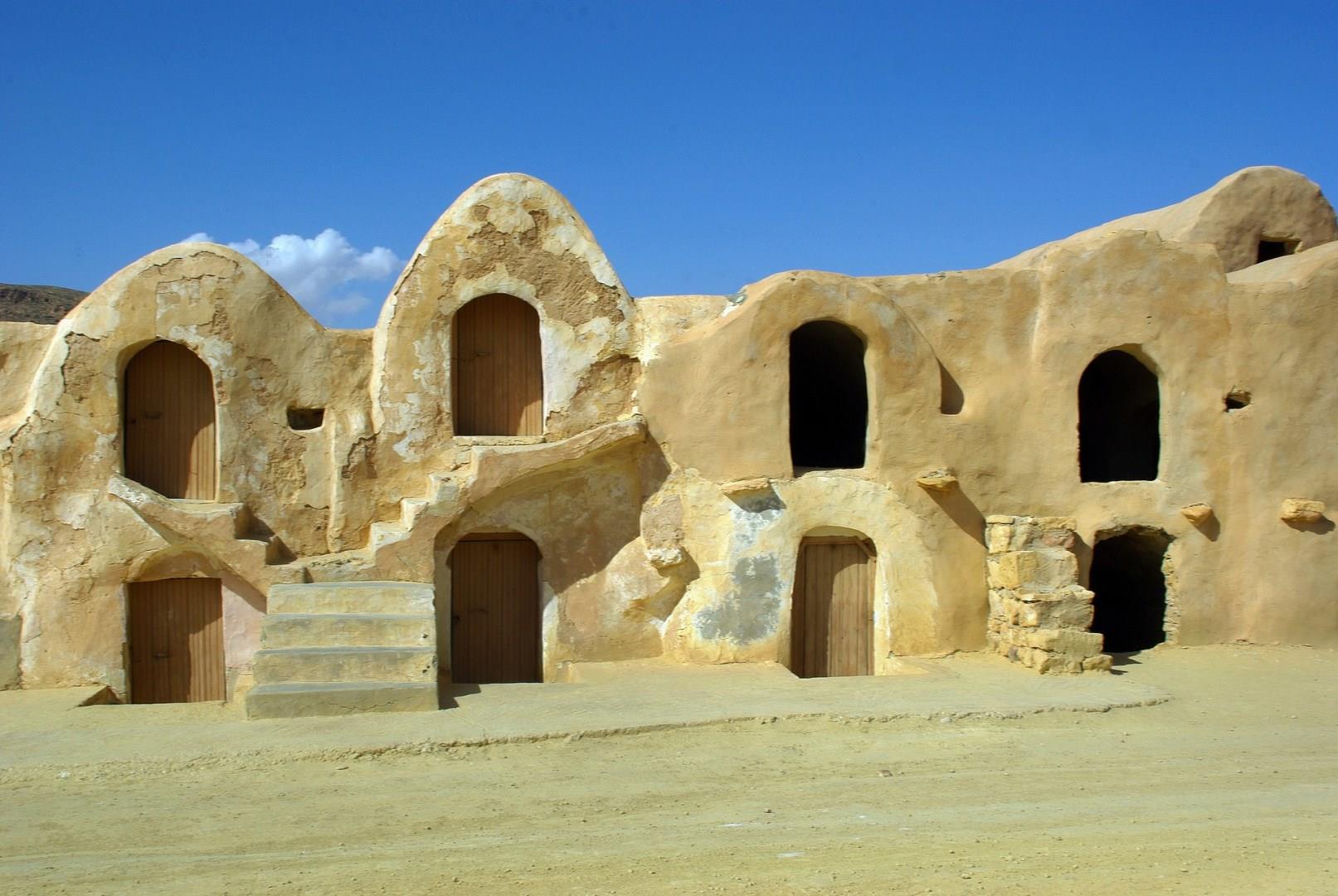
Tunisia
Tunisia, located in North Africa along the Mediterranean coast, offers a mix of desert landscapes, historic cities, and coastal charm. Its Mediterranean beaches, desert oases, and bustling markets provide a variety of experiences for travelers interested in history, culture, and nature.

Alsace
Nestled in the northeastern corner of France, Alsace is a region that enchants with its picturesque villages, half-timbered houses, and vibrant blend of French and German cultures. Renowned for its scenic vineyards, Alsace's Route des Vins (Wine Route) stretches over 170 kilometers, winding through charming medieval towns like Riquewihr, Colmar, and Eguisheim.
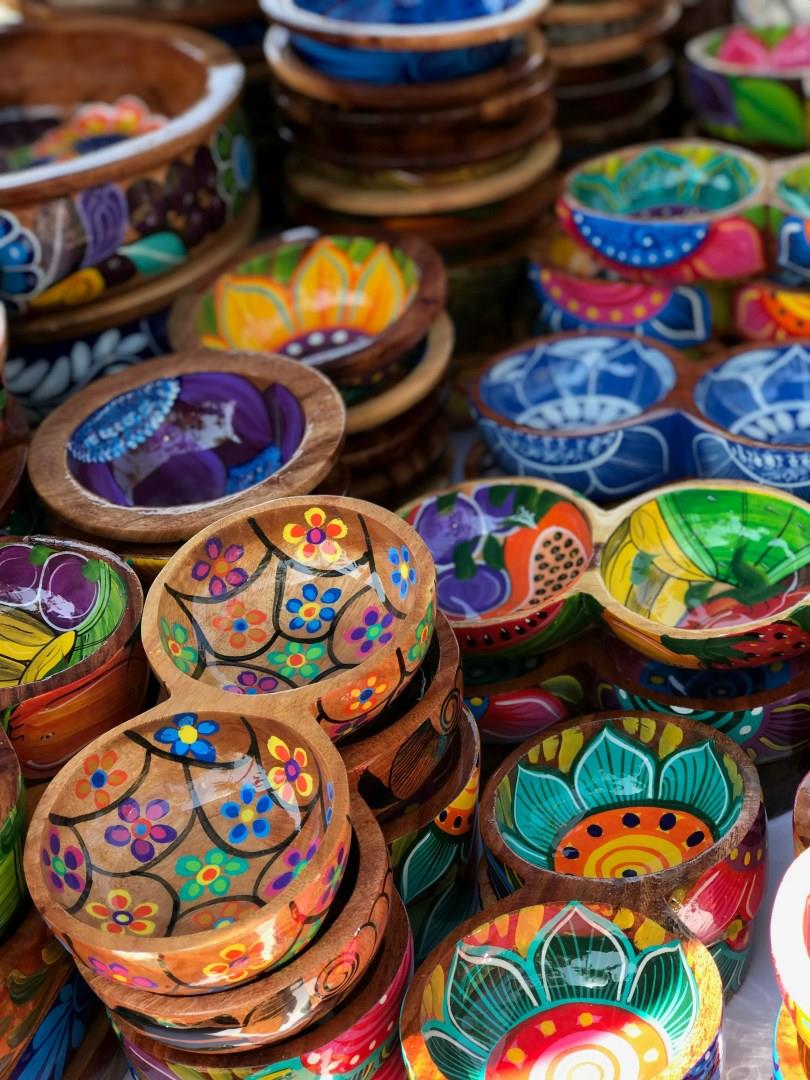
Nuevo Vallarta
Nuevo Vallarta, located along the Bahía de Banderas in the state of Nayarit, is a coastal destination known for its wide, sandy beaches and marina-lined canals. Originally developed as a tourism project in the late 20th century, it has grown into a well-organized resort area with luxury hotels, golf courses, and waterfront condos. Unlike older beach towns with colonial roots, Nuevo Vallarta was designed from the start to offer modern comfort while being surrounded by natural landscapes.
