

Trinidad
Trinidad, Cuba, is a mesmerizing time capsule that transports visitors to another era with its cobblestone streets, pastel-colored colonial buildings, and horse-drawn carts. Founded in 1514 by Spanish conquistador Diego Velázquez de Cuéllar, this city, located in central Cuba, is one of the best-preserved colonial towns in the Caribbean. Trinidad's rich history and enchanting architecture make it an essential destination for anyone seeking an authentic Cuban experience.

Looe
Looe is a small seaside town on the south coast of Cornwall, England, divided by the River Looe into East and West Looe and connected by a graceful stone bridge. With origins as a medieval port, the town has long been shaped by fishing and seafaring, traditions that still define its identity today.

Tortola Island
Tortola, the largest island in the British Virgin Islands, beckons travelers with its idyllic beaches and vibrant culture. Known for its stunning natural beauty, Tortola offers crystal-clear waters, lush landscapes, and a range of outdoor activities. Cane Garden Bay, one of the island’s most famous beaches, is renowned for its powdery white sand and turquoise waters.
Tel Aviv
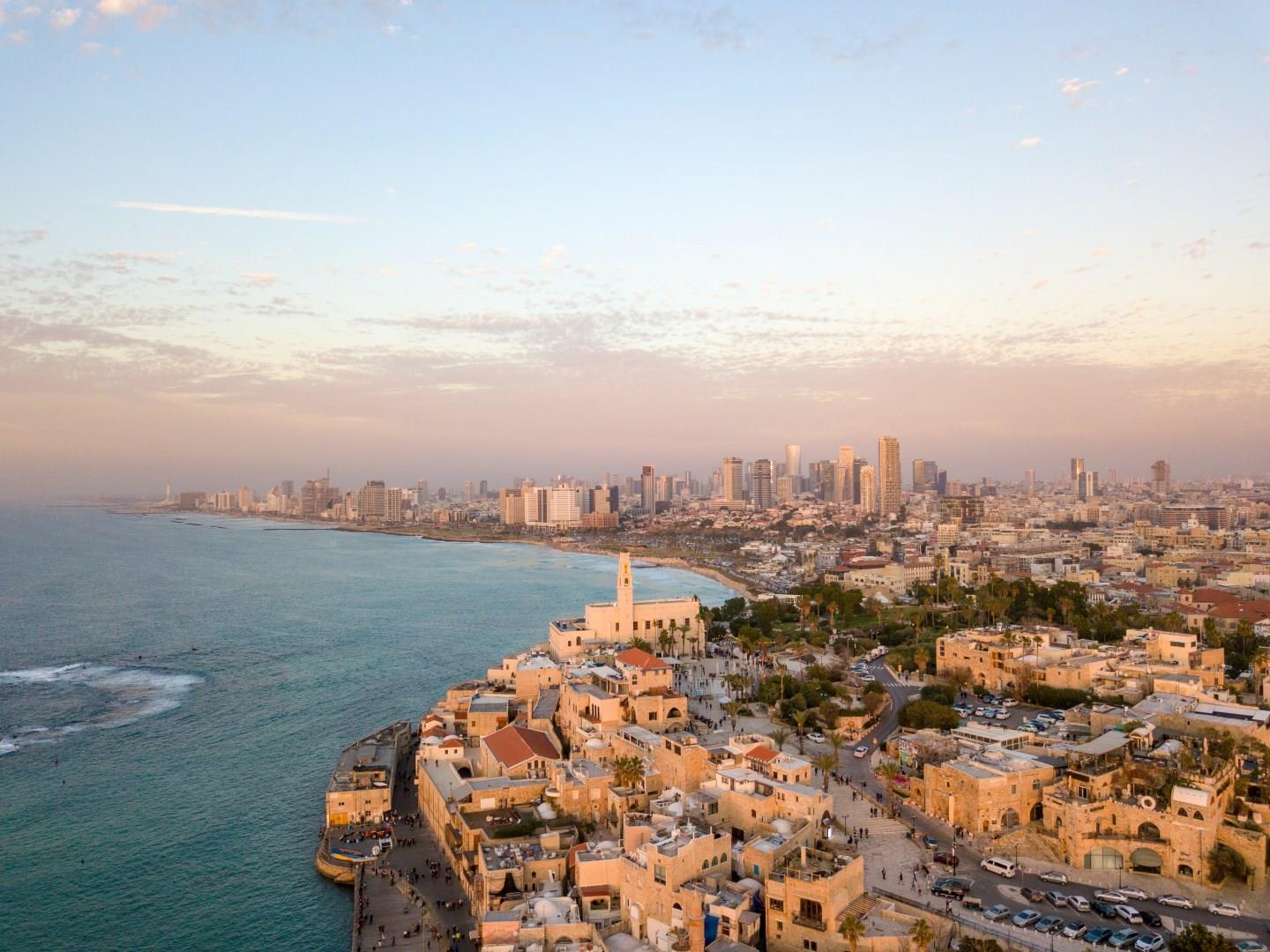
Tel Aviv began in 1909 as a new neighborhood beside the ancient port of Jaffa. The city is now home to the largest cluster of Bauhaus-style buildings in the world which earned UNESCO recognition for its early 20th-century urban planning. Visitors can explore those structures on guided architectural walks through streets like Rothschild or Dizengoff.
Saltillo
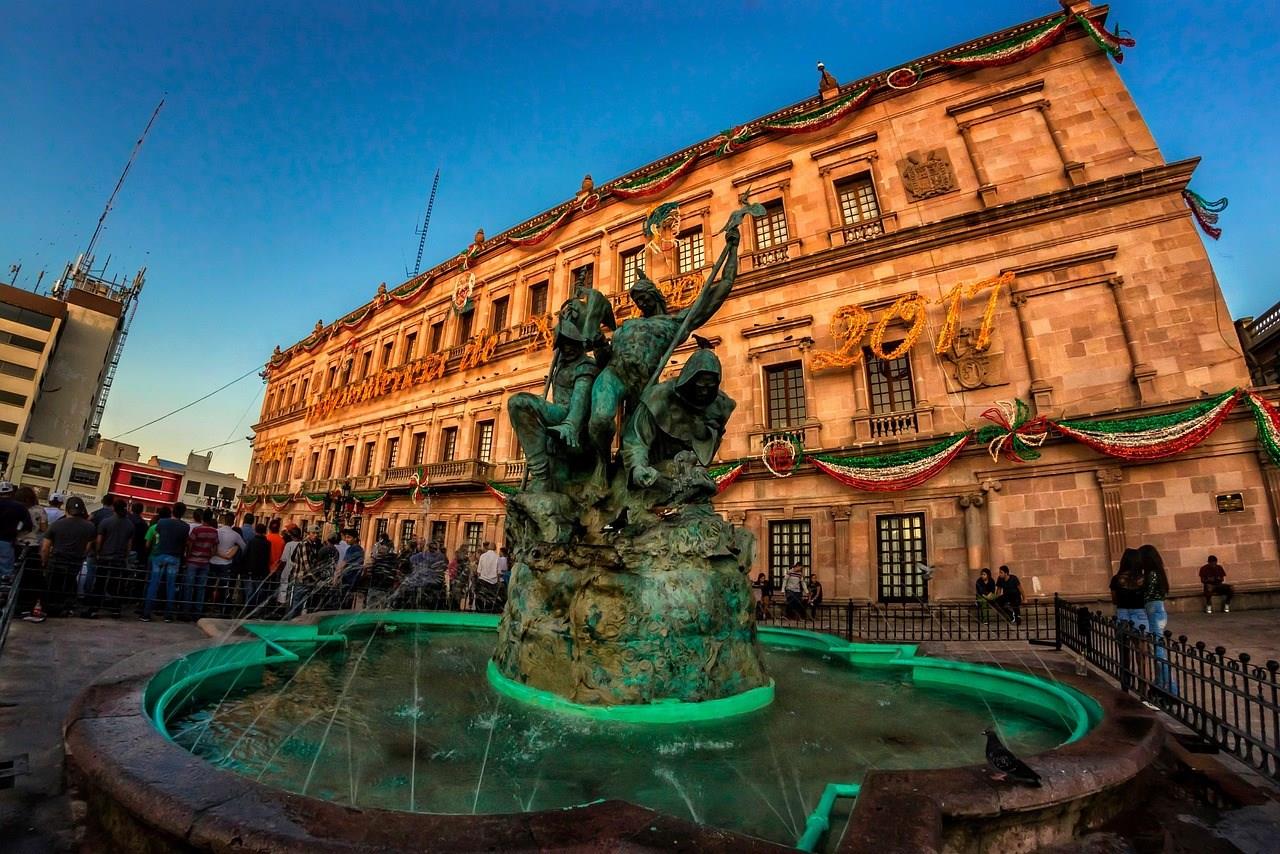
Saltillo, the capital of Coahuila, blends centuries of tradition with a quiet confidence that rewards travelers looking for something different. Founded in 1577, the city’s colonial heritage is on full display in its well-preserved downtown, where the Catedral de Santiago towers above Plaza de Armas. Just steps away, the Alameda Zaragoza park offers shaded paths and fountains, providing a peaceful break between stops at nearby museums.
