

A Coruna
Perched on the northern coast of Spain, A Coruña (or La Coruña) is a captivating city with a rich maritime heritage and scenic beauty. Dominated by its iconic lighthouse, the Torre de Hércules, which is the oldest functioning lighthouse in the world, A Coruña offers a unique glimpse into ancient engineering.

Uluru
Located in Australia's Northern Territory, Uluru is an iconic sandstone formation and UNESCO World Heritage site. This red rock monolith, believed to be over 500 million years old, has been considered sacred by Australia's indigenous peoples for thousands of years and is one of the country's most well-known natural landmarks. This spiritual destination will astound you at sunrise and sunset, when the warm sunlight turns Uluru to deep hues of red and orange.

Dominica
Dominica, known as the “Nature Island of the Caribbean,” is a haven for eco-tourists and adventure seekers. Nestled between the French islands of Guadeloupe and Martinique, this lush island boasts a remarkable landscape of volcanic mountains, dense rainforests, and stunning waterfalls. Dominica’s most iconic natural wonder is the Boiling Lake, the second-largest hot spring in the world.
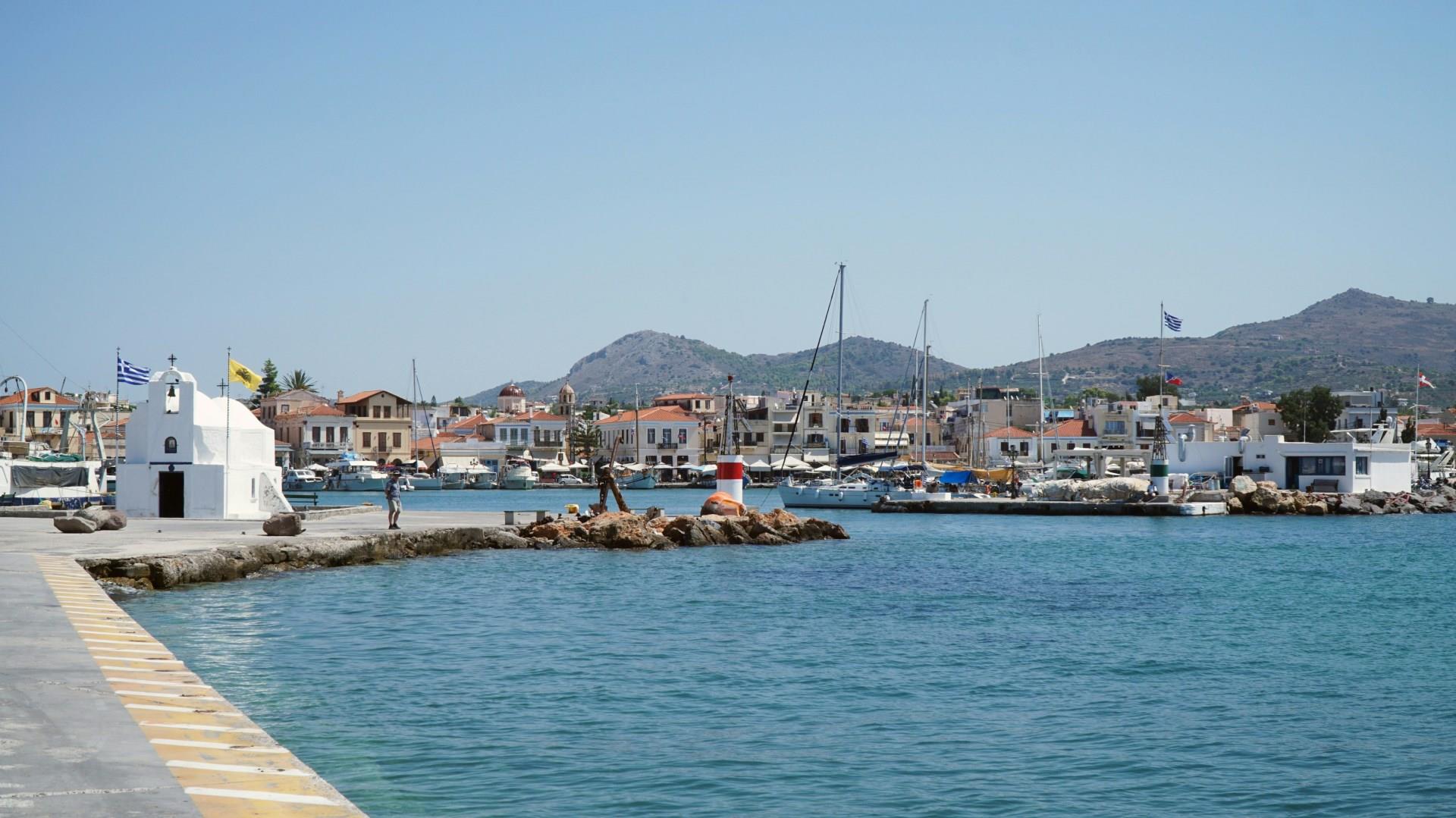
Aegina
Aegina, one of the Saronic Islands of Greece, is a short ferry ride from Athens yet feels far removed from the capital’s energy. Known since antiquity as a thriving maritime and cultural center, the island still preserves echoes of its past in archaeological sites and traditional villages.

Mikumi National Park
Mikumi National Park, located in Tanzania's southern highlands, offers a pristine and relatively undiscovered safari experience. Spanning over 3,230 square kilometers, Mikumi is part of the larger Selous Ecosystem, providing a diverse range of habitats from open grasslands to dense miombo woodlands. This park is an excellent choice for those seeking a more tranquil alternative to the more frequented Serengeti and Ngorongoro Crater.
