

Iguassu Falls
Iguassu Falls, straddling the border between Brazil and Argentina, is a breathtaking natural wonder that captivates visitors with its sheer scale and beauty. This UNESCO World Heritage Site boasts the largest waterfall system in the world, with nearly 275 individual falls cascading over a rugged landscape.

San Juan
San Juan, Puerto Rico’s capital, is a city where cobblestone streets lead to centuries-old forts and pastel-colored buildings overlook the Atlantic. The district of Old San Juan is a UNESCO World Heritage Site, known for its Spanish colonial architecture and thick stone walls that once defended the city from pirates and naval attacks. The city hosts regular events such as La Campechada, which celebrates Puerto Rican art and literature with live performances and open-air exhibits.
Whangarei
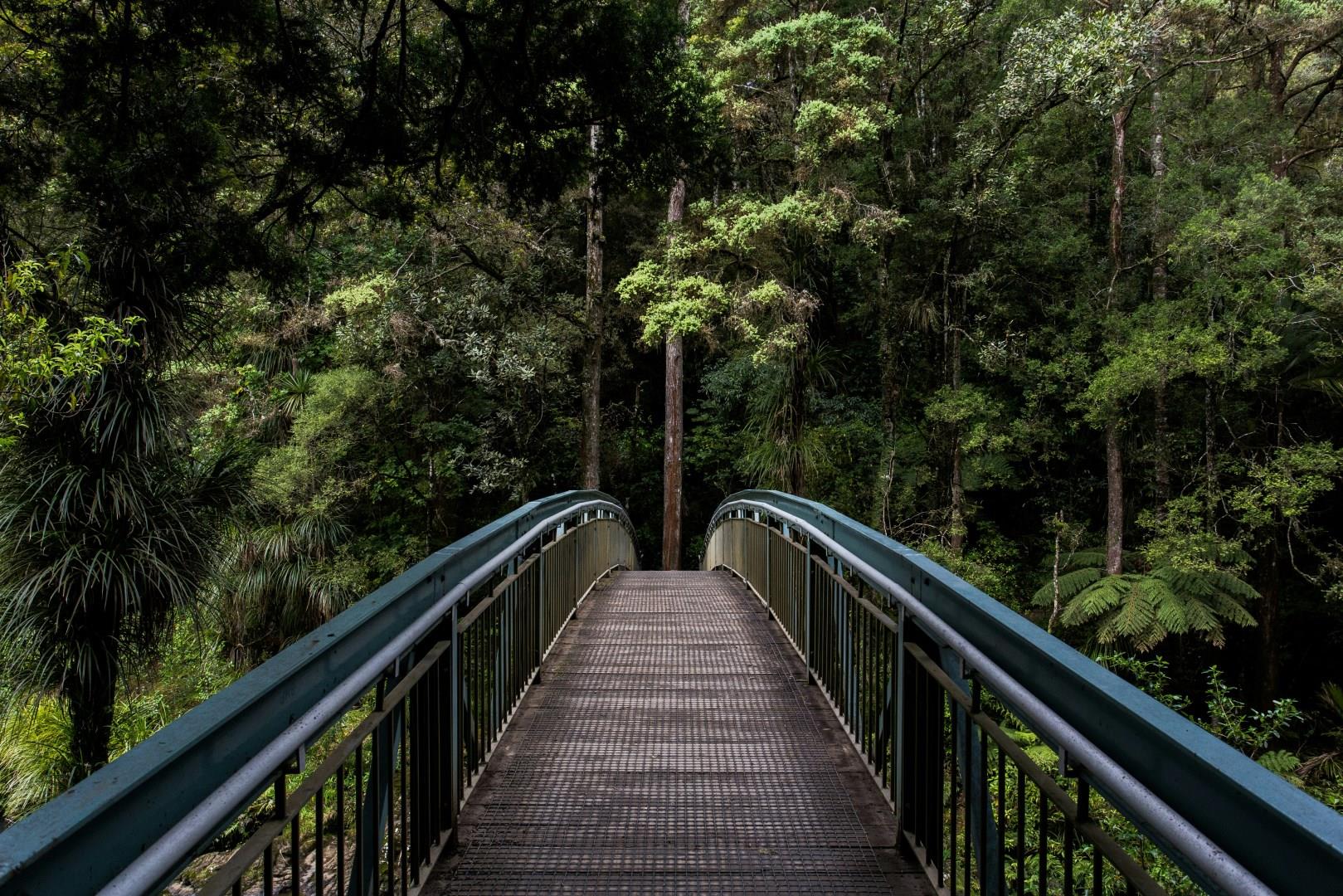
Whangarei sits at the head of a sheltered harbour in Northland, shaped by Māori settlement and later maritime trade.
Livingstone
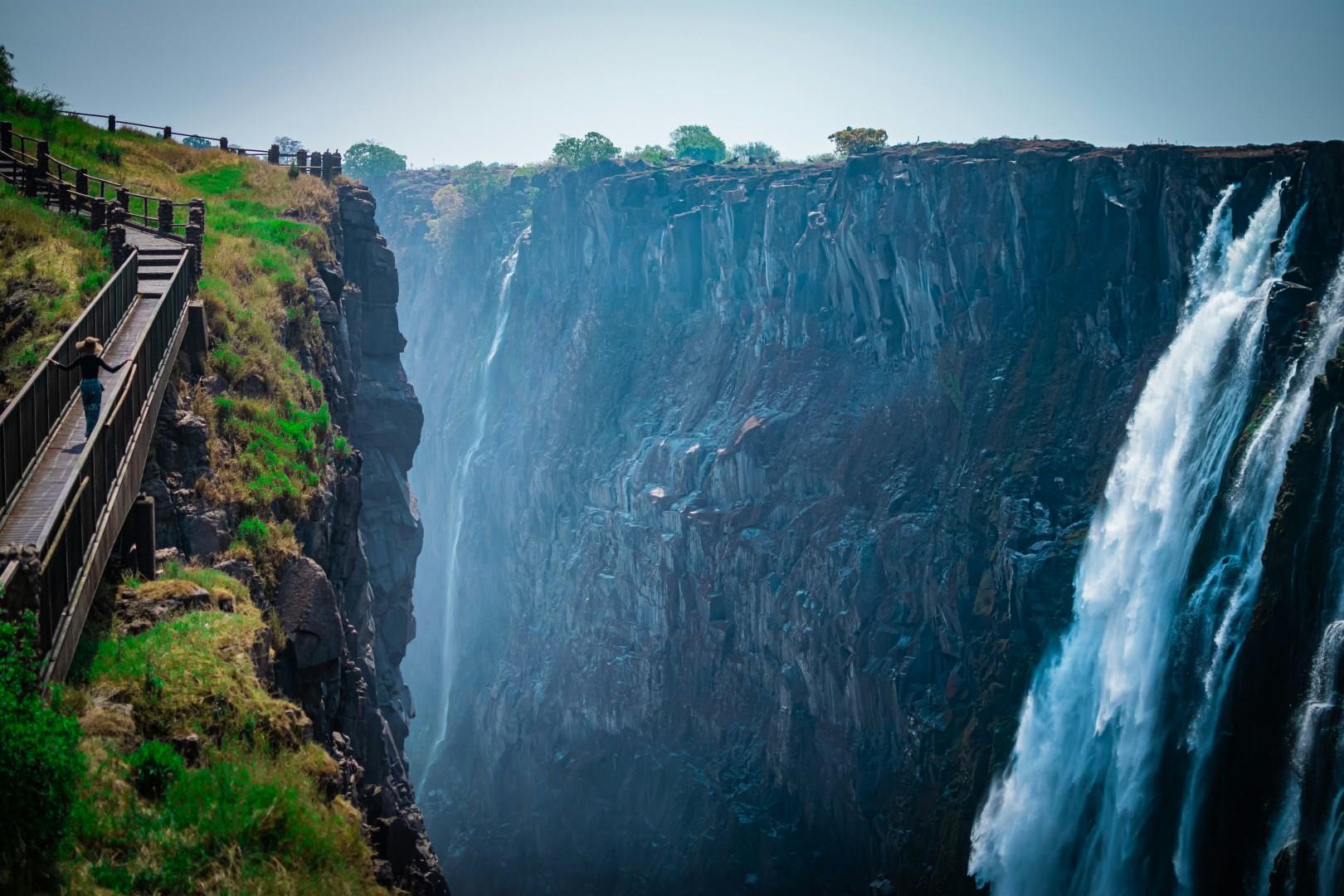
In the heart of Zambia lies Livingstone, a city that serves as the gateway to one of the most spectacular natural wonders in the world: Victoria Falls. This UNESCO World Heritage Site, often referred to as "The Smoke That Thunders," is renowned for its breathtakingly powerful waterfalls on the Zambezi River. The falls, which span over 1,700 meters wide and plunge 108 meters deep, offer a mesmerizing display of nature's might.
Ninh Binh
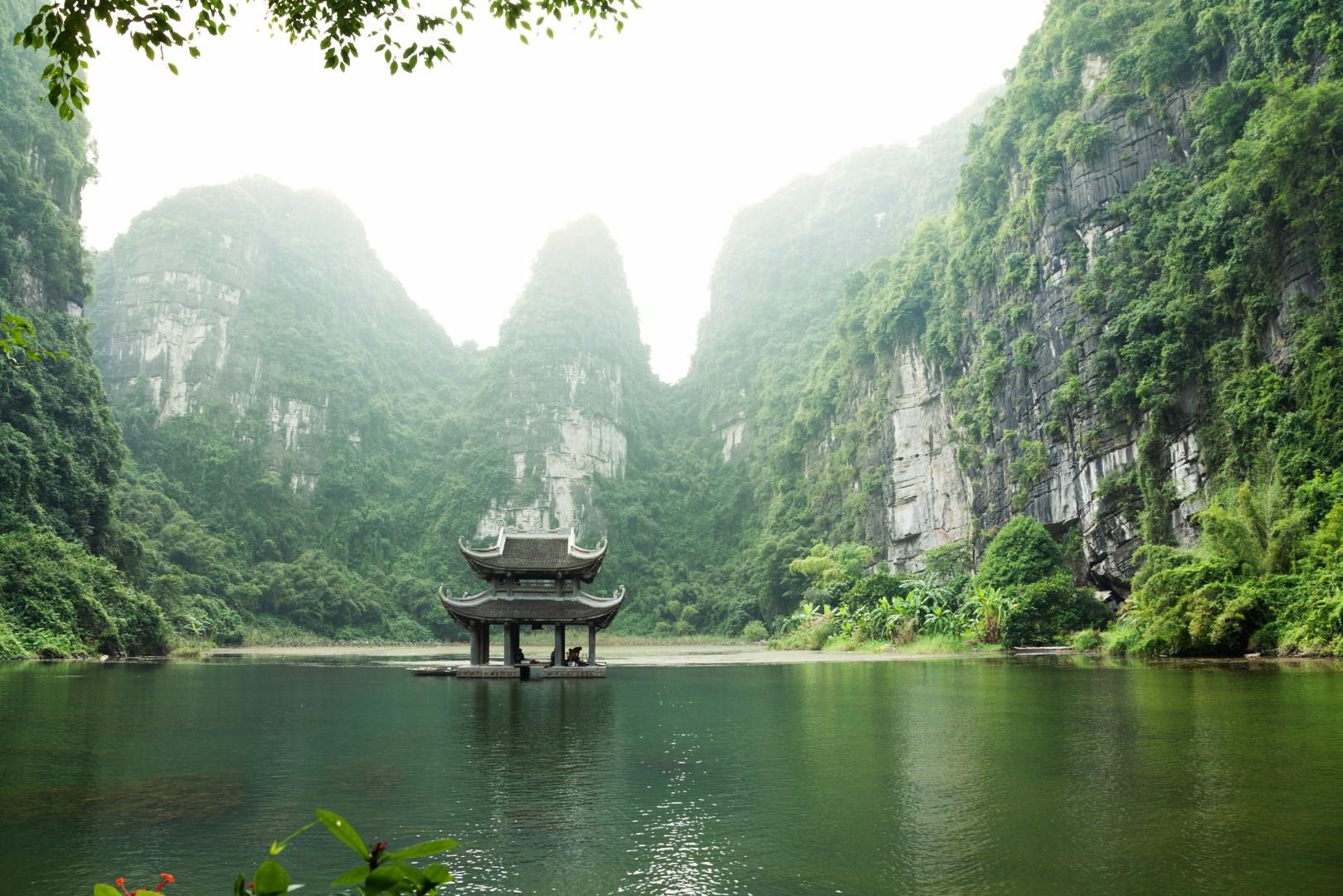
Ninh Binh, located about 100 kilometers south of Hanoi, offers a landscape shaped by limestone karsts, winding rivers, and flooded rice paddies. Often referred to as “Ha Long Bay on land,” the area is best explored by rowboat. At Trang An Scenic Landscape Complex, boat routes pass through caves, ancient pagodas, and valleys surrounded by towering cliffs. Local rowers often use their feet to paddle, an unusual technique that surprises many first-time visitors.
