

Panama Canal
An essential passageway between the Atlantic and Pacific Oceans, the Panama Canal is an extraordinary technological landmark and a testament to human innovation. Built in the early twentieth century by American engineers, the canal weaves through the Panamanian isthmus and allows easy access for commercial freighters and cruise ships alike.

Egypt
Egypt is a land of timeless wonders, where ancient history meets modern vibrancy. The Great Pyramids of Giza, the Sphinx, and the Temple of Karnak are just a few of the awe-inspiring monuments that attract millions of tourists each year.
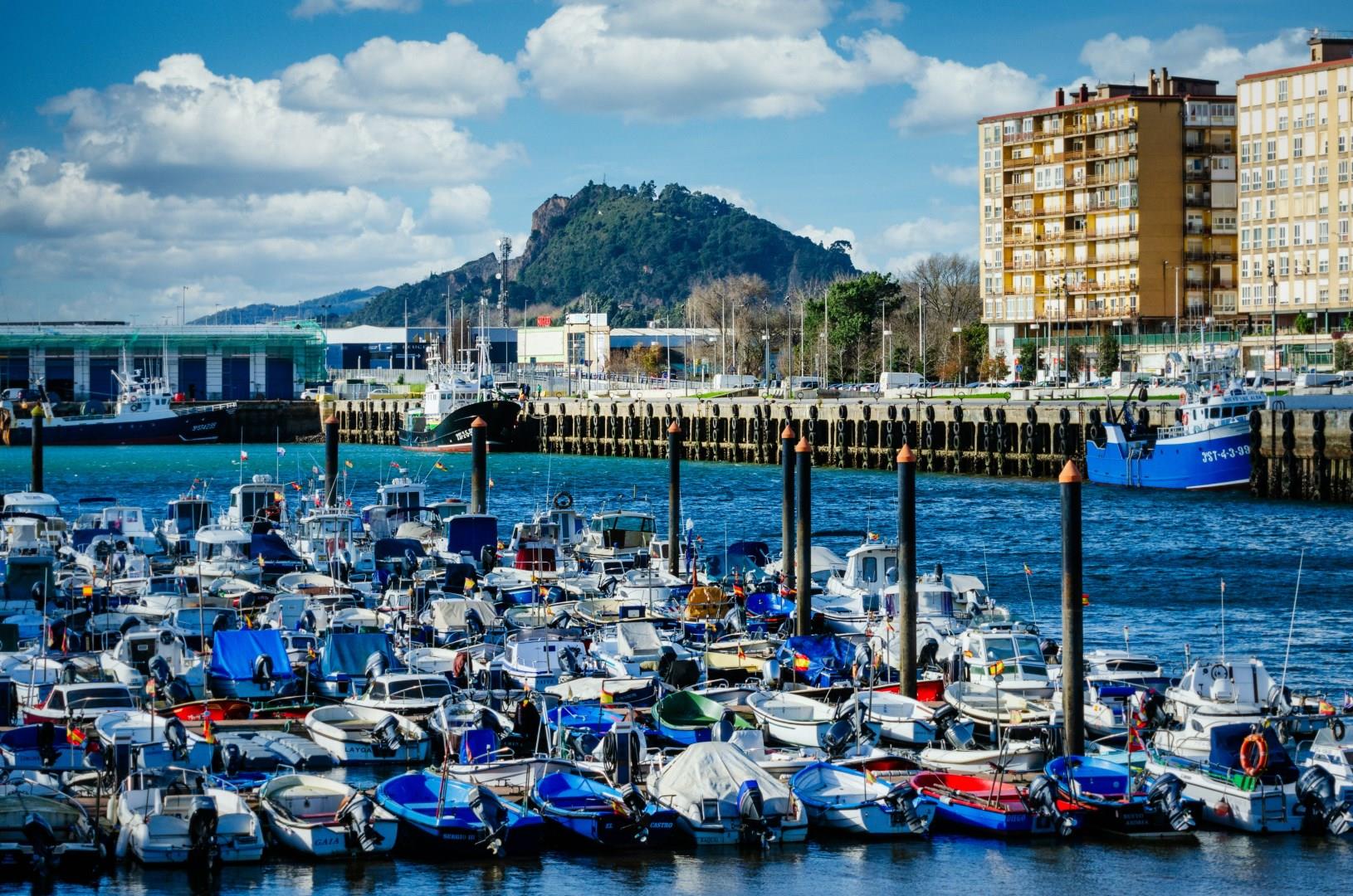
Santander
Santander, the capital of Spain’s Cantabria region, sits along the Bay of Biscay and offers travelers a mix of coastline, culture, and history shaped by centuries of maritime life. Once a bustling port for Castilian exports, Santander saw its golden age in the 19th century when Spanish royalty turned it into a summer retreat. The legacy of that era remains visible at the Palacio de la Magdalena, perched on a peninsula with views of the sea and home to royal stables, a mini zoo, and guided tours.

Lahnstein
Lahnstein is located at the confluence of the rivers Rhine and Lahn. Situated between the tranquil Lahn Valley and the bustling energy of the Rhine, Lahnstein has developed a unique character and offers a wide variety of activities for visitors.

Cuba
Cuba is an island nation where history, culture, and natural beauty intertwine in captivating ways. Known for its Spanish colonial architecture, vibrant music, and revolutionary legacy, the country offers a fascinating window into both the Caribbean and Latin American worlds. Havana, with its colorful facades, classic American cars, and lively plazas, embodies Cuba’s charm and resilience, while towns like Trinidad and Cienfuegos showcase UNESCO-listed heritage and a slower pace of life.
