

Sonoma
Sonoma is a year-round haven that combines in one location everything you could desire in a memorable travel experience - the finest wine, dining, lodging, and spas, a flourishing arts community, interesting history and the bounty of Northern California's great outdoors.

Louisiana
Louisiana, with its vibrant blend of cultures, history, and natural beauty, offers a rich tapestry of experiences for every traveler. At the heart of the state's allure is New Orleans, renowned for its lively French Quarter, historic architecture, and world-famous Mardi Gras celebrations.
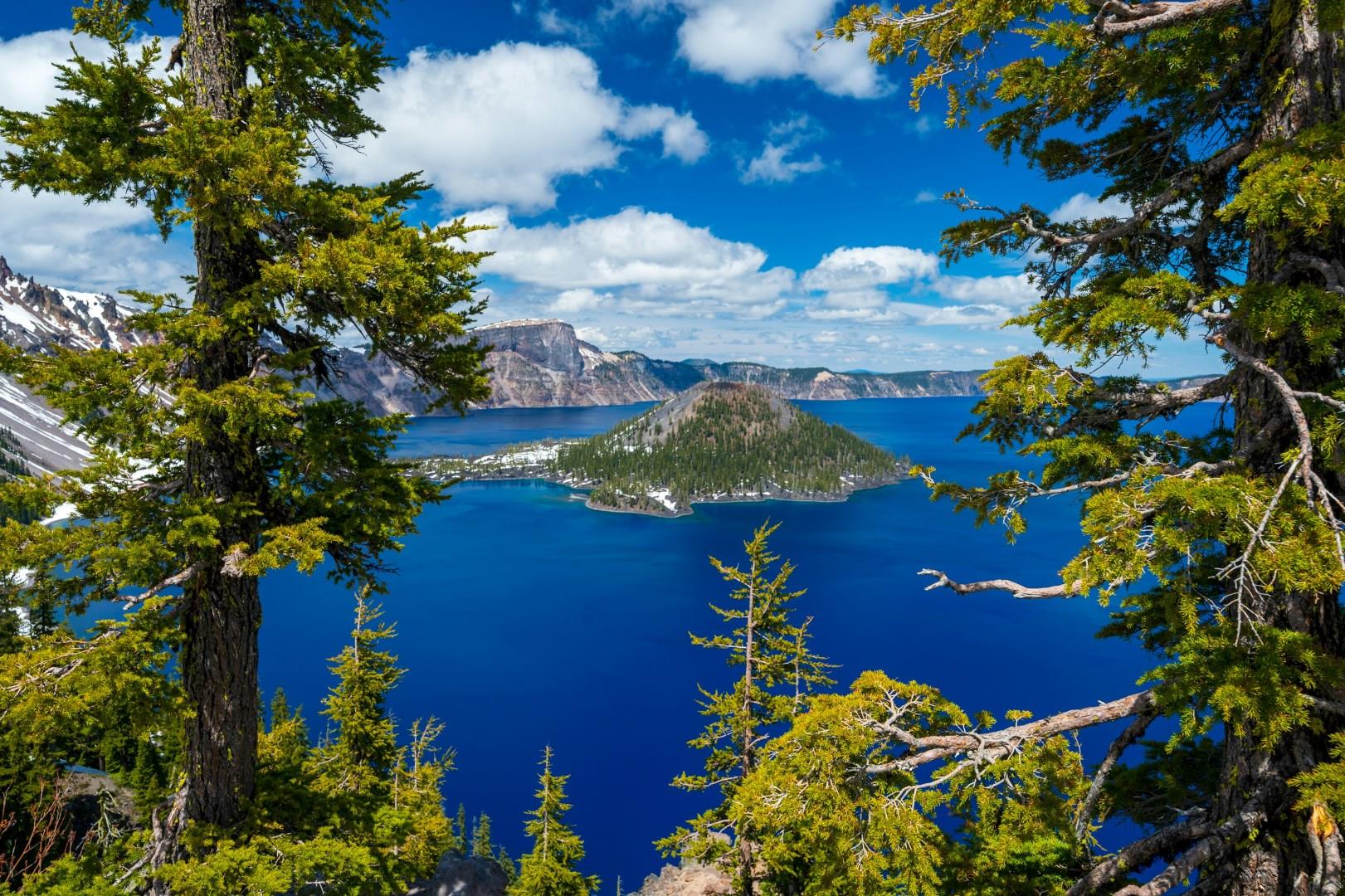
Crater Lake National Park
Crater Lake National Park, Oregon, offers a breathtaking display of natural beauty centered around the deepest lake in the United States. Formed by the collapse of a volcanic caldera, Crater Lake is renowned for its stunningly clear blue waters, which are the result of rain and snowfall filling the caldera. The lake's unique color and clarity are due to its depth and the purity of its water, making it a visual marvel that attracts visitors year-round.

Kavala
Situated on the northeastern coast of Greece, Kavala is a picturesque port city popular for its archaeological treasures, historic old town, and scenic beach. Be sure to explore the city's best known sites, including the Panagia neighborhood, the Kavala Castle, the towering Aqueduct, and the Kavala Archaeological Museum.

Kandy
Nestled in the heart of Sri Lanka’s hill country, Kandy is a city steeped in history, culture, and natural beauty. As the last capital of the ancient kings of Sri Lanka, Kandy holds a unique charm that blends its colonial past with a rich, vibrant heritage. The city’s crown jewel is the Temple of the Sacred Tooth Relic, a UNESCO World Heritage site that houses a relic believed to be the tooth of the Buddha.
