
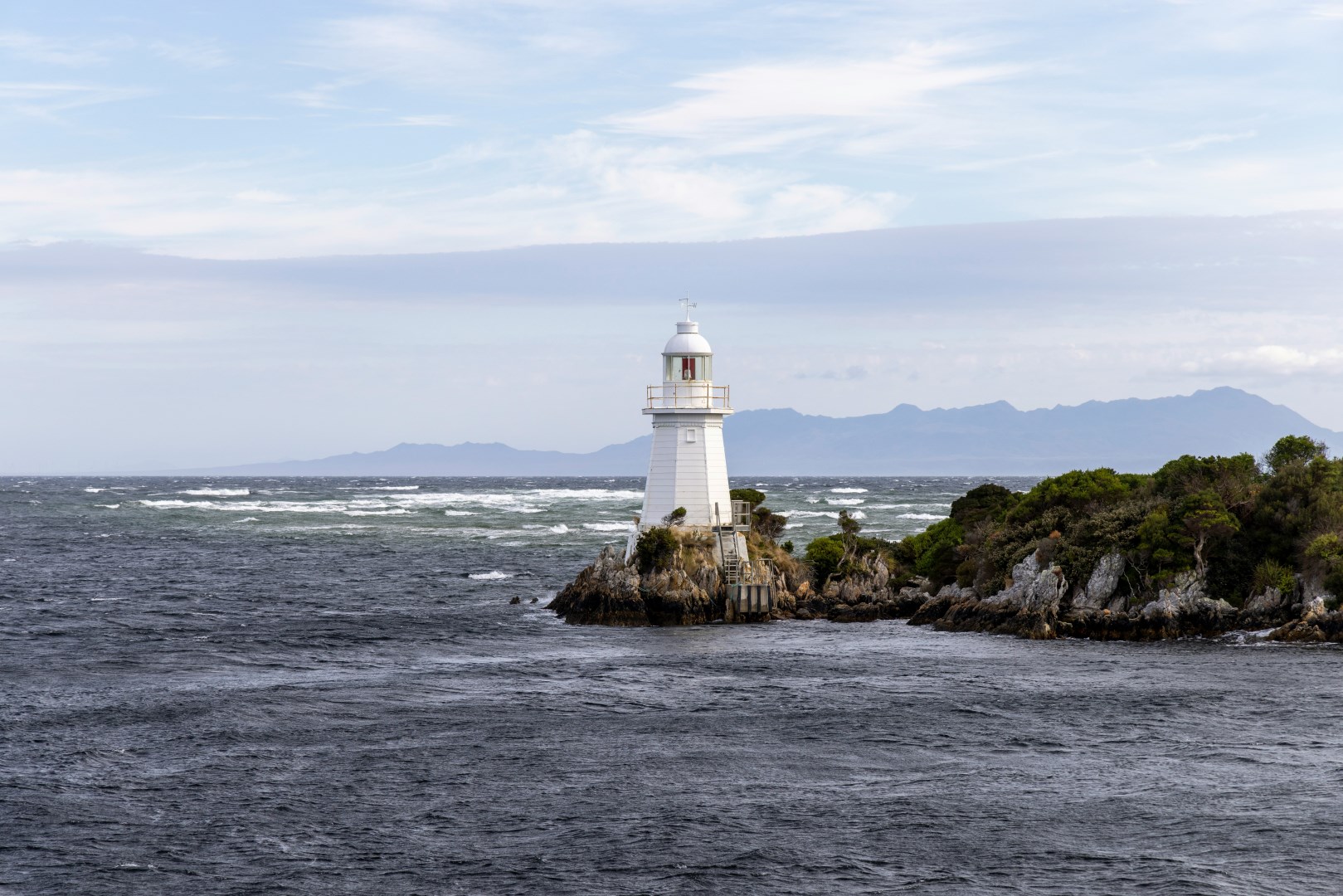
Strahan
Set on the edge of a vast harbor on Tasmania’s wild west coast, Strahan feels like a place shaped by both sea and story. Once a busy port serving nearby mining settlements, it still carries echoes of ships, timber yards, and hardworking crews who relied on the sheltered waters of Macquarie Harbour. Today, that same harbor is the starting point for journeys into remote landscapes, with boats gliding toward places that were once feared as much as they were relied upon.
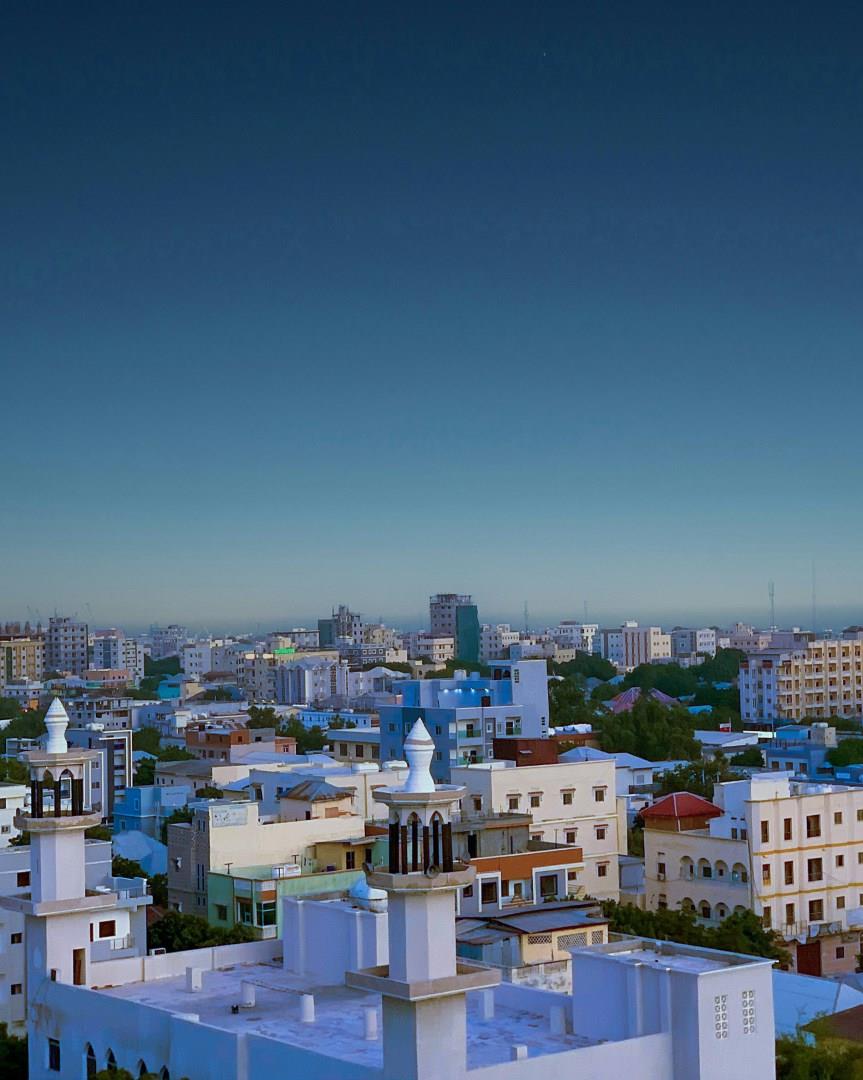
Mogadishu
Mogadishu, the capital of Somalia, is a city with a story that spans more than a thousand years. Its coastal setting has long shaped its character, blending African, Arab, and Persian influences that can still be seen in its culture and architecture today.

Bibury
Bibury, often described as one of the most beautiful villages in England, is a must-visit destination in the heart of the Cotswolds. The village is famous for its idyllic setting along the River Coln and its stunning stone cottages that date back to the 17th century. Chief among these is Arlington Row, a series of picturesque weavers’ cottages that have become one of the most photographed spots in England.
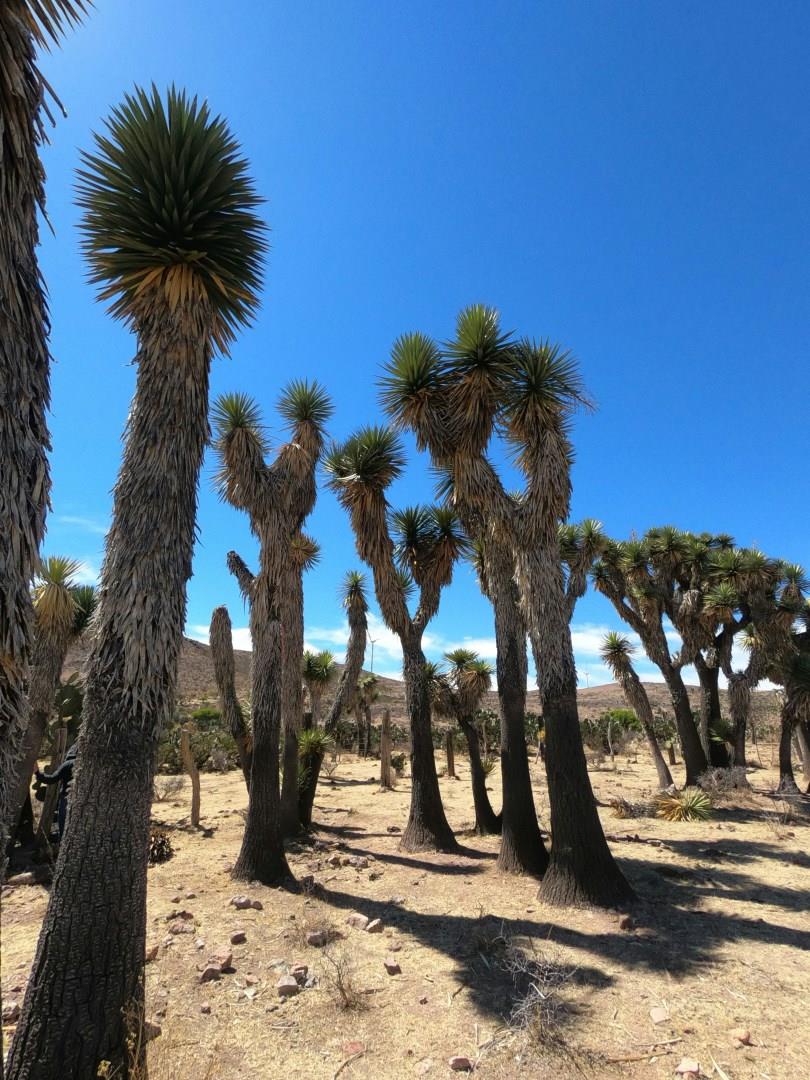
Zacatecas
Zacatecas, built into the slopes of a narrow ravine in north-central Mexico, is a city with a deep mining past and a striking skyline. The historic center, a UNESCO World Heritage Site, is known for its pink cantera stone buildings, narrow alleys, and impressive baroque facades. The Cathedral Basilica of Zacatecas, completed in 1752, stands as one of the most detailed examples of Mexican baroque architecture, with hundreds of carved figures covering its sandstone exterior.
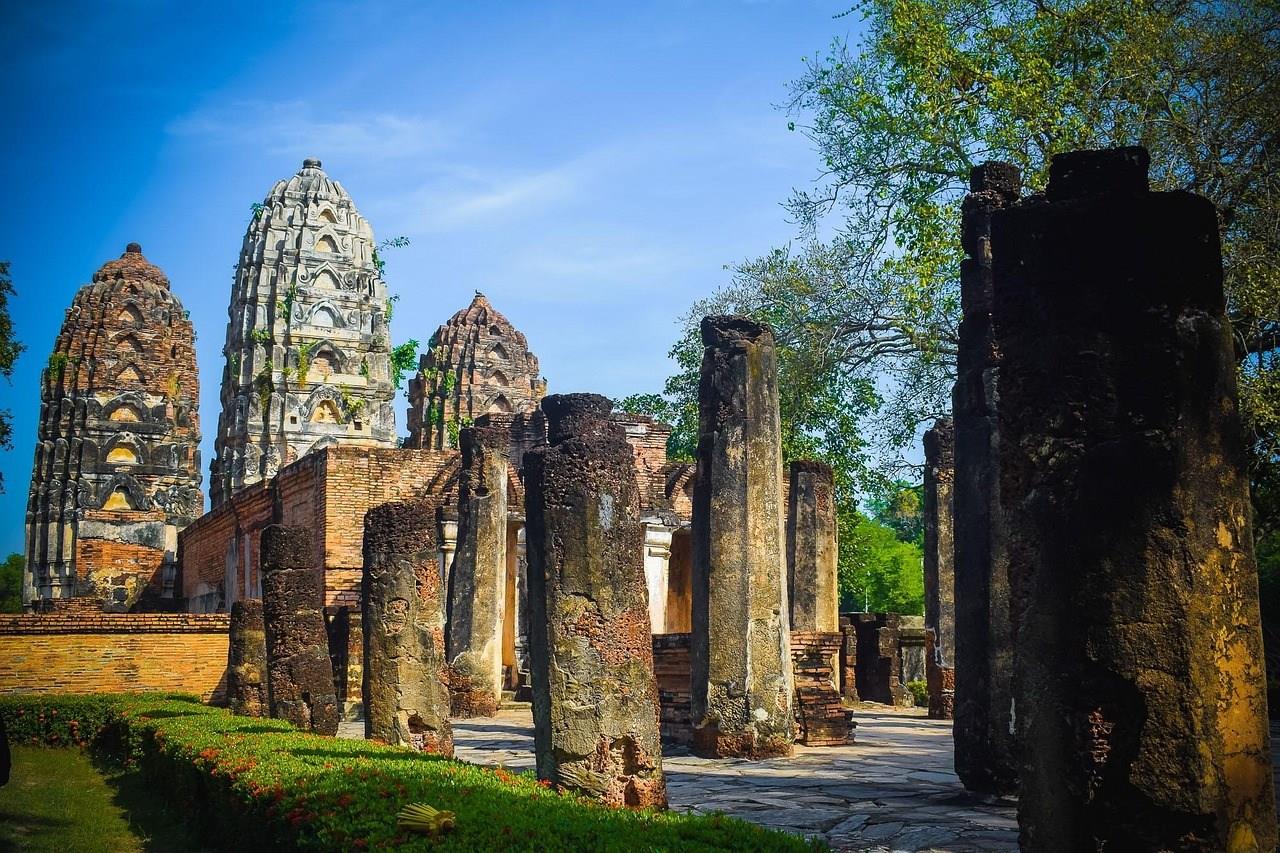
Sukhothai
Sukhothai, located in north-central Thailand, was once the capital of the first independent Thai kingdom in the 13th century. Today, it’s best known for the Sukhothai Historical Park, a UNESCO World Heritage Site filled with stone temples, lotus-filled moats, and ancient Buddha statues. The park spans over 70 square kilometers and features more than 190 ruins.
