
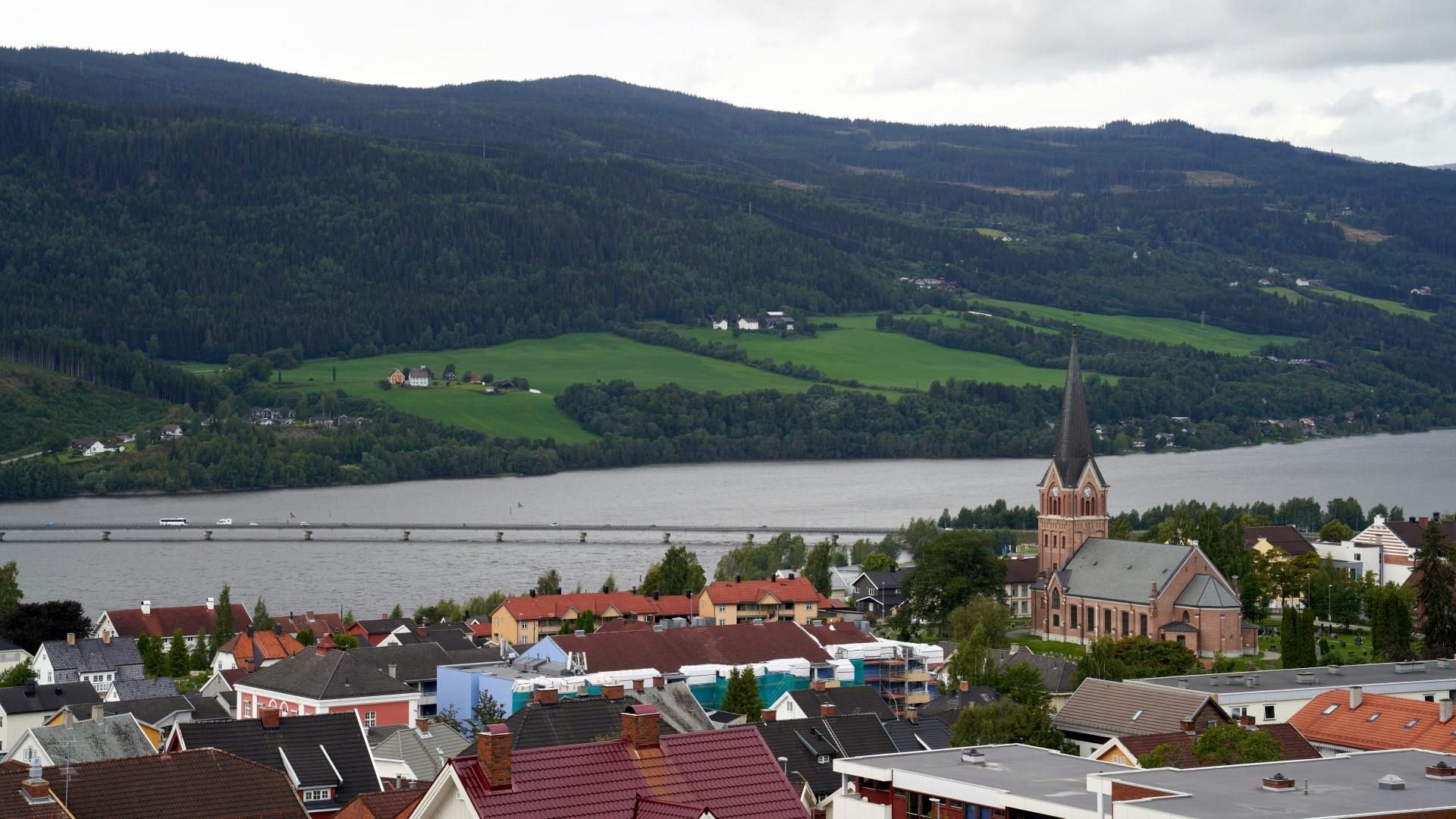
Lillehammer
Lillehammer, nestled along the northern shores of Norway’s Lake Mjøsa and framed by pine-covered hills, is a town that blends natural beauty with cultural richness. Famous for hosting the 1994 Winter Olympics, Lillehammer has leveraged its global spotlight to cultivate attractions that celebrate both its sporting legacy and artistic heritage.

Svalbard
This mountainous archipelago offers magnificent views of stark white glaciers and snowfields, which cover a vast stretch of the region. Arctic flora and fauna fascinate; catch a glimpse of polar bears, reindeer, arctic foxes, and walruses amongst the mossy tundra and icy coasts. In the summer, visitors will witness the rare splendor of Svalbard’s midnight sun.
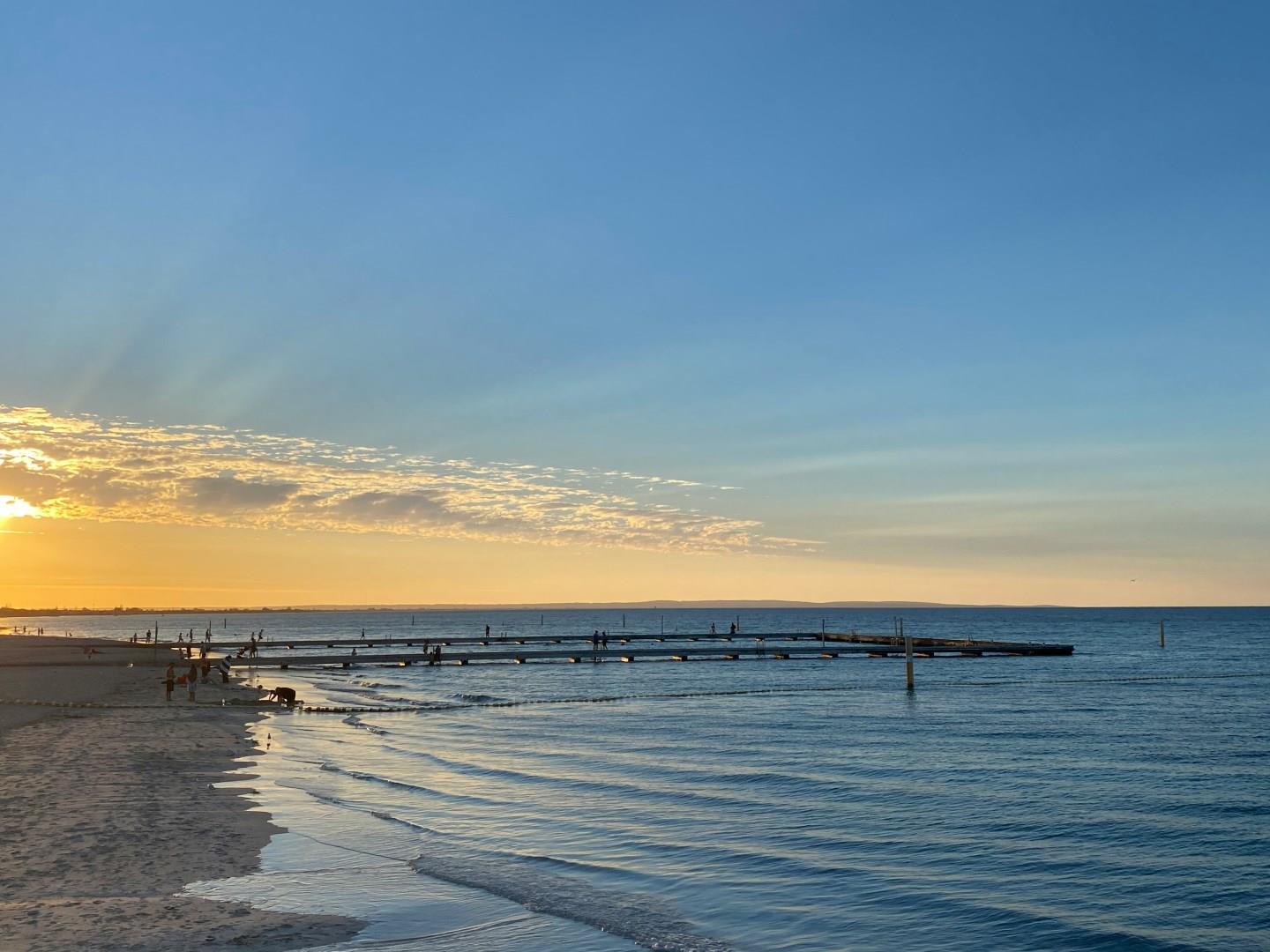
Busselton
Busselton is a relaxed coastal town in Western Australia, set along the calm, sheltered waters of Geographe Bay.

Veracruz
Veracruz, Mexico, is a vibrant port city rich in history and culture. Founded in 1519 by Hernán Cortés, it is Mexico’s oldest city, and its historic center, with its colorful colonial buildings and bustling Zócalo, reflects its deep historical roots. Visitors can explore the impressive San Juan de Ulúa Fortress, a massive colonial-era fort that once served as a prison and a key military base.
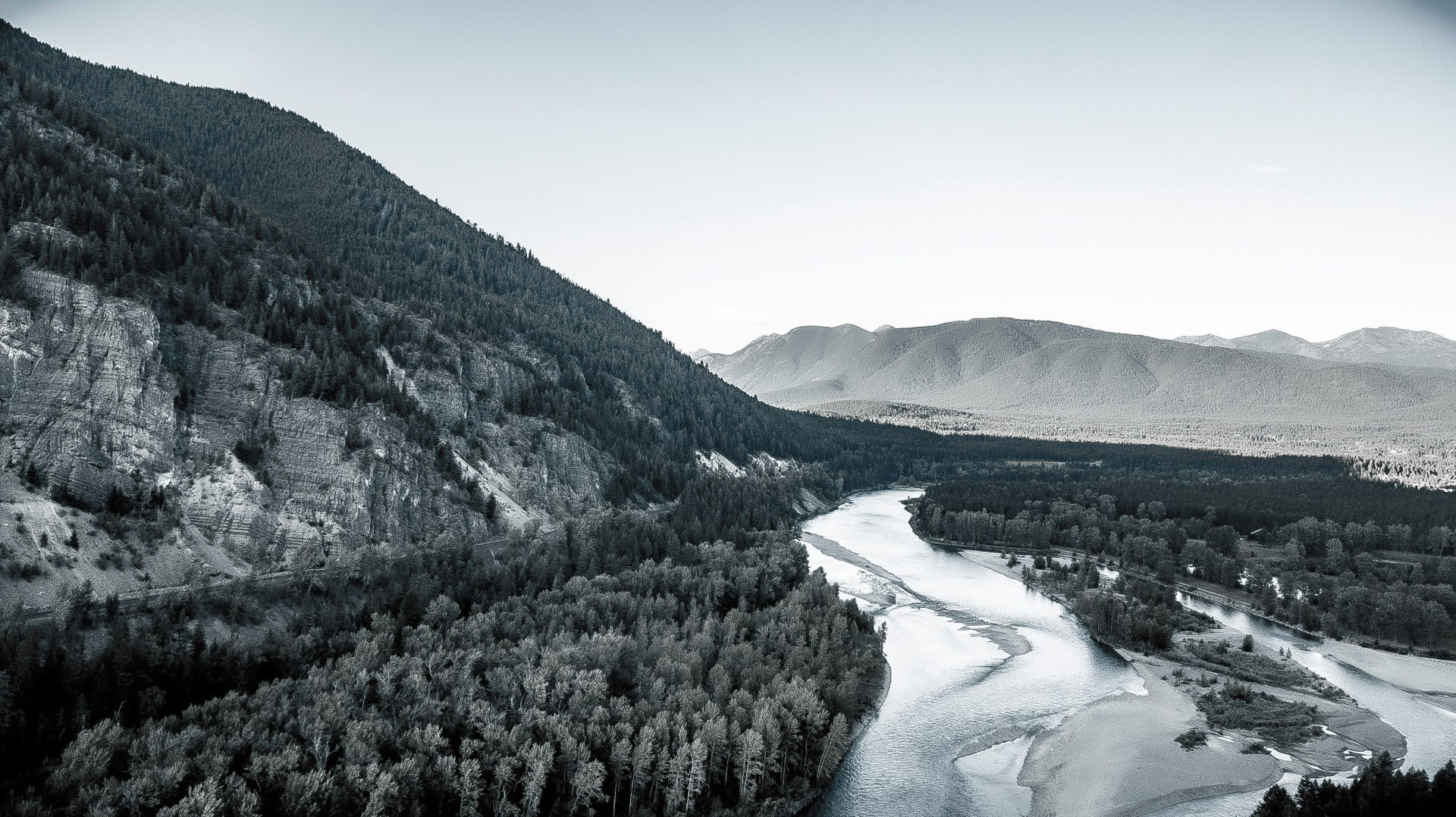
Whitefish
Nestled in the heart of the Rocky Mountains, Whitefish, Montana, is a gateway to breathtaking natural beauty and outdoor adventures. The charming town serves as a perfect base for exploring the nearby Glacier National Park, renowned for its stunning glaciers, pristine lakes, and extensive hiking trails. Whitefish itself is a vibrant community, where the scenic backdrop is matched by a bustling downtown filled with boutique shops, local restaurants, and cozy lodges.
