
Port Moresby
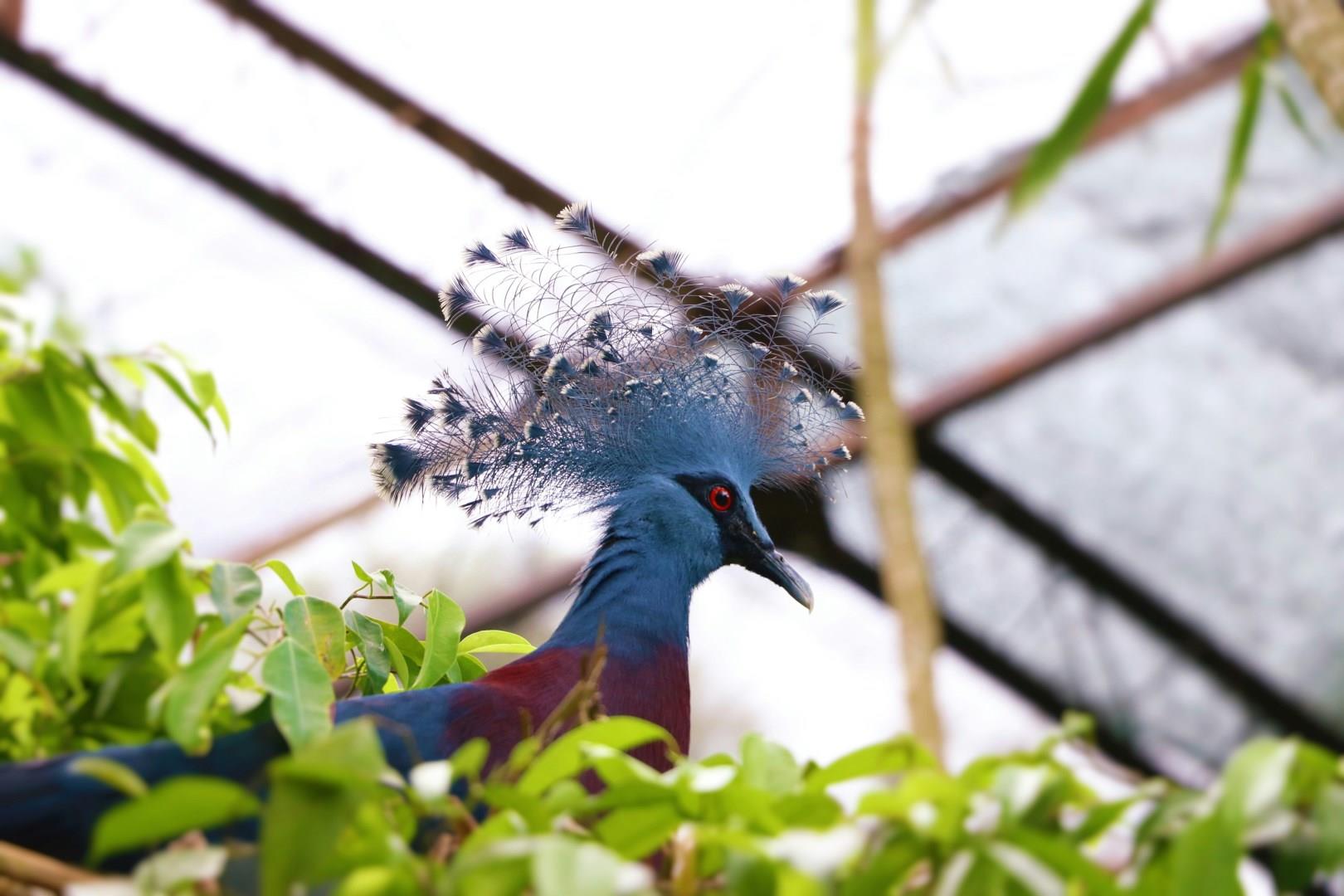
Port Moresby sits by the Coral Sea as Papua New Guinea’s capital and shows visitors a city of contrasts where glittering new buildings rise beside traditional villages built on stilts. One such place is Hanuabada, the original Motuan village, where roofs reach above water’s edge and everyday life still unfolds in Tok Pisin and local tongue.

Caudebec
Set along the Seine, Caudebec-en-Caux is notable for its dramatic Notre-Dame church and Maison des Templier (The Templars' House).

Mesa Verde National Park
Mesa Verde National Park, nestled in the southwestern corner of Colorado, offers an extraordinary journey into the ancient past of the Ancestral Puebloans. This UNESCO World Heritage Site is renowned for its remarkably well-preserved cliff dwellings, built into the sheer rock faces of the canyon walls.
Lake Havasu City
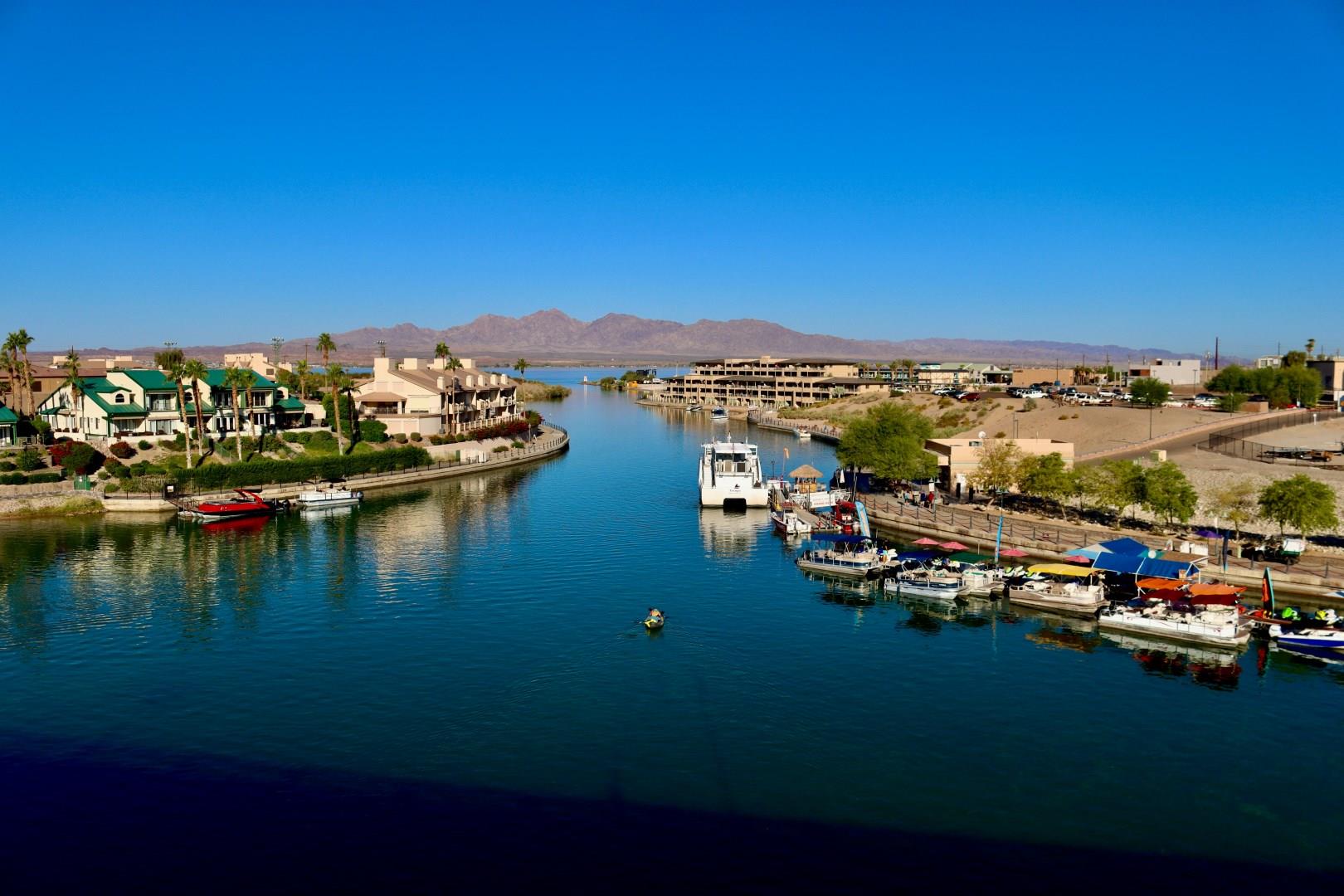
Lake Havasu City rises from the Mojave Desert along the shores of Lake Havasu, a broad reservoir on the Colorado River that draws visitors with its radiant blue water and warm sunshine nearly all year. The most famous landmark here is the London Bridge, a granite-clad structure that once spanned the River Thames in England. This iconic span now connects the mainland to an island filled with shops, restaurants, and resorts, inviting visitors to stroll beneath its arches.

Donegal
Donegal, a picturesque town nestled in the northwest of Ireland, offers a perfect blend of rich history, rugged landscapes, and a warm Irish welcome. Known for its dramatic coastline along the Wild Atlantic Way, Donegal is a haven for nature lovers, history buffs, and those seeking an authentic slice of Irish life. The town's centerpiece, Donegal Castle, built by the O'Donnell clan in the 15th century, provides a fascinating glimpse into the region's Gaelic heritage.
