
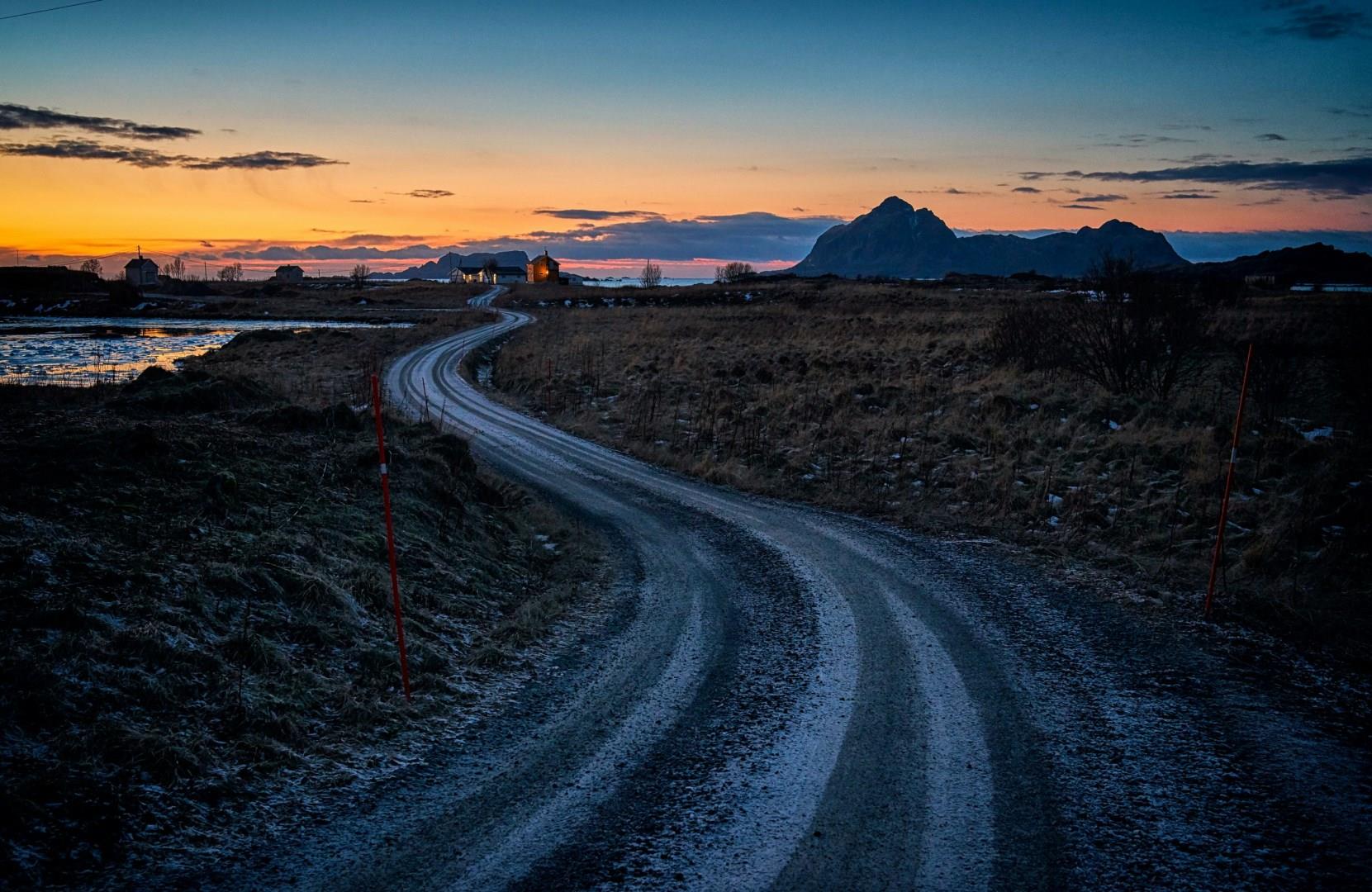
Vesteralen
Vesteralen is a coastal archipelago in northern Norway, located just north of the Lofoten Islands, known for its wide-open landscapes, dramatic skies, and strong ties to the sea. Historically shaped by fishing and seafaring, the region’s communities developed around sheltered harbors and seasonal fisheries, particularly for cod.
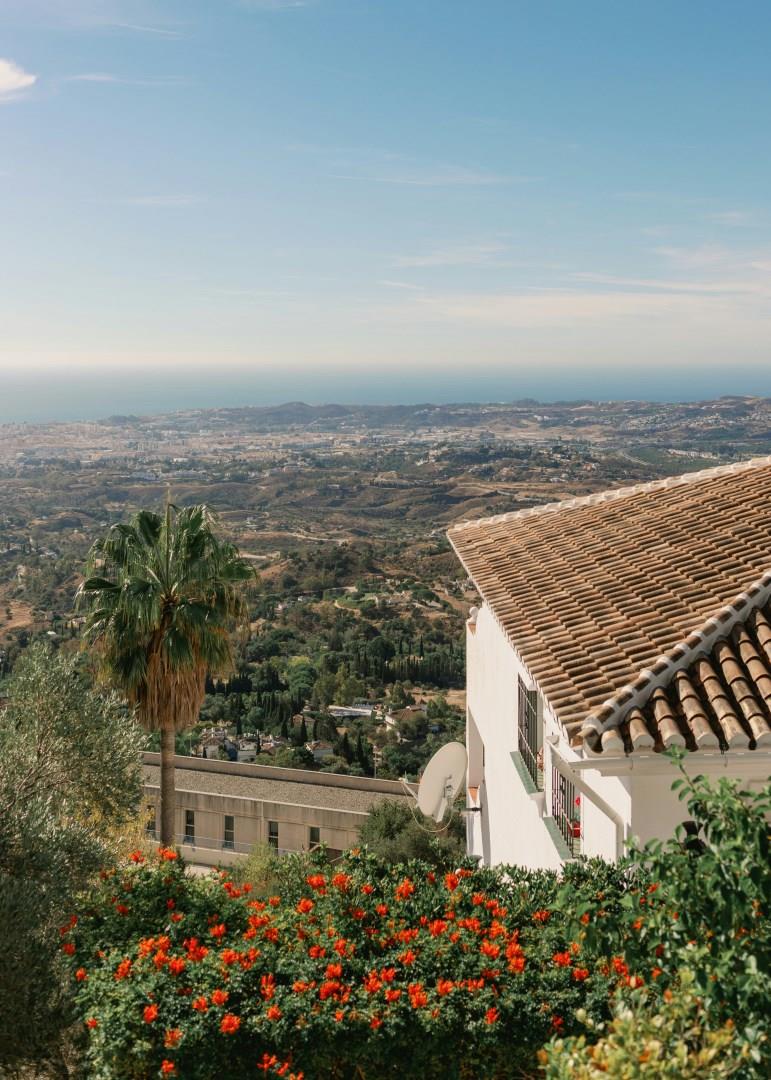
Mijas
Mijas, perched on the hillside above the Costa del Sol, blends centuries of Andalusian tradition with views that stretch across the Mediterranean. The whitewashed buildings of Mijas Pueblo reflect sunlight from narrow cobbled streets that wind through small plazas, each with its own fountain, chapel, or overlook. The town’s layout still follows Moorish-era planning, and remnants of the old wall (La Muralla) offer shaded walks lined with native plants and panoramic views over the coast.
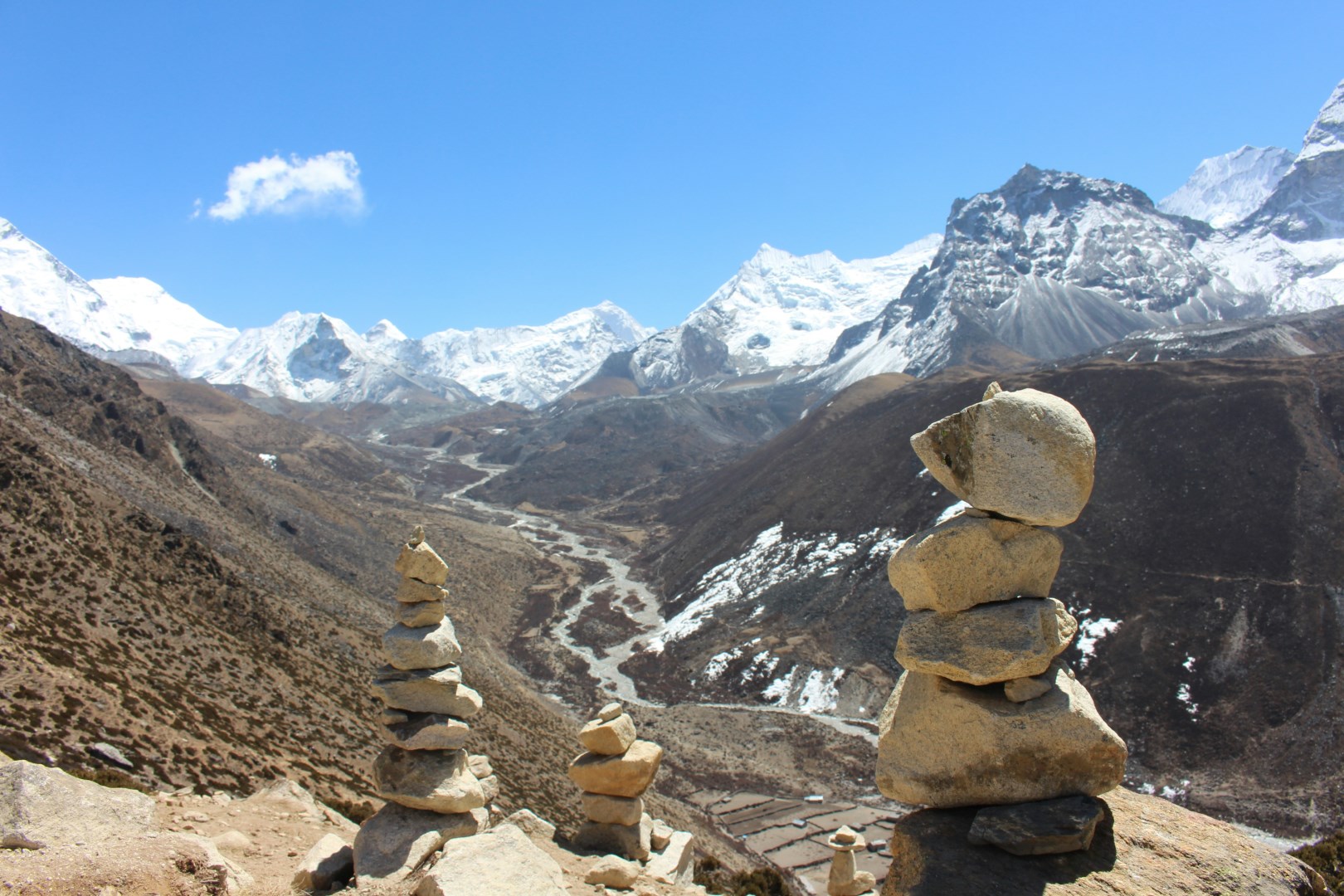
Dingboche
Set in a wide valley beneath towering Himalayan peaks, Dingboche offers a striking pause along the route toward Mount Everest. Unlike the narrower trails below, Dingboche opens into a broad landscape framed by snow-covered giants such as Ama Dablam and Lhotse. The village sits high above the tree line, where the air feels thin and clear, and the surrounding terrain shifts from forested slopes to open alpine ground.

Papua New Guinea
Papua New Guinea is a land of surprises, where misty highlands give way to tropical coasts and vibrant festivals stir every sense. In the Highlands, the air carries the echoes of ceremonial drums and elaborate sing‑sings like the famed Goroka Show, where over 100 tribes gather in September to perform dances adorned with feathered headdresses, body paint, and the haunting clay masks of the Asaro Mudmen.

Santa Cruz de Tenerife
The city of Santa Cruz De Tenerife, located on the island of Tenerife, is a favorite stop for Transatlantic voyagers. Tenerife is both the largest and most populated of the seven Canary Islands and of Spain itself. As the island's main city, Santa Cruz De Tenerife is home to almost half of the island's population.
