
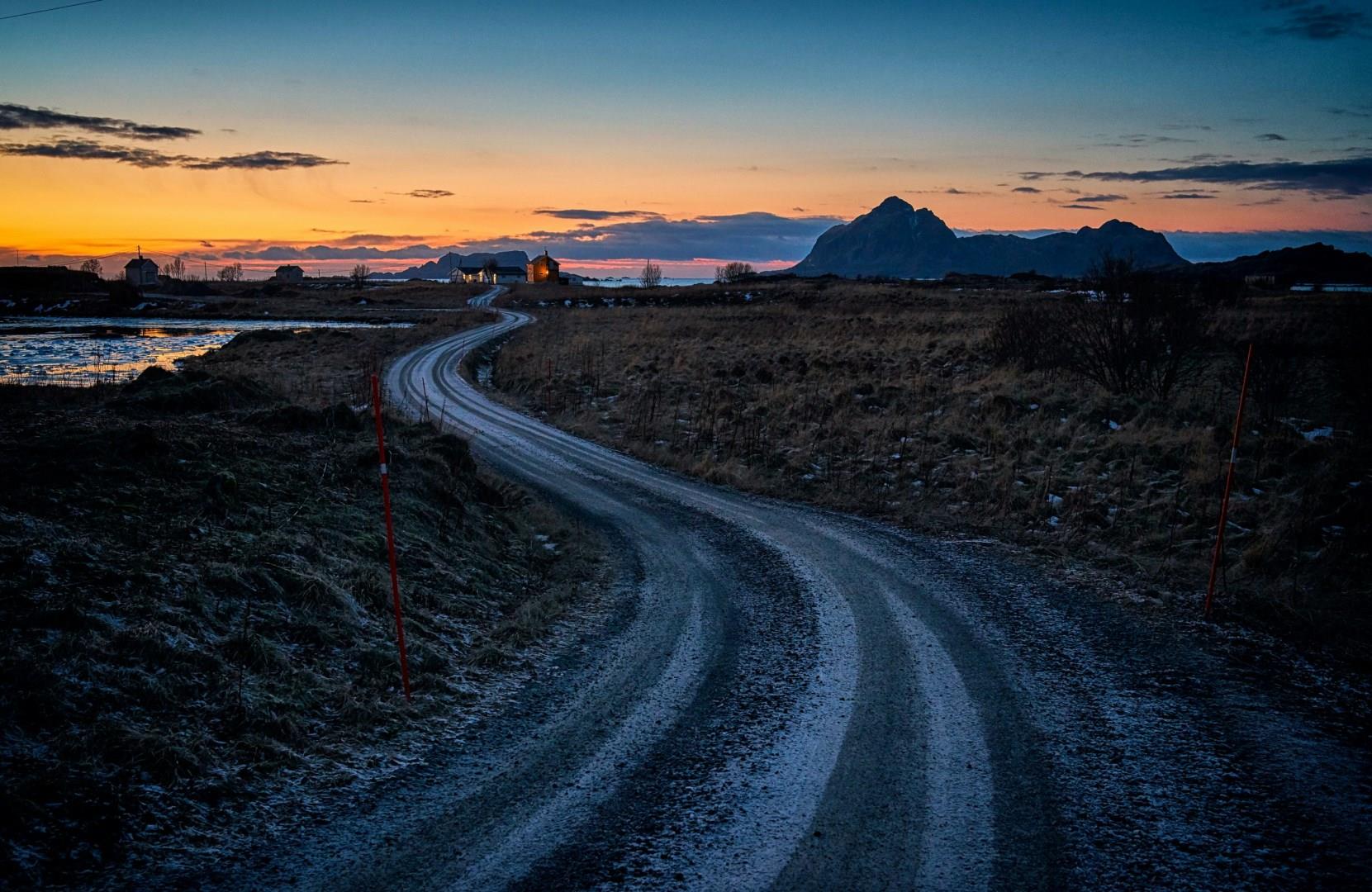
Vesteralen
Vesteralen is a coastal archipelago in northern Norway, located just north of the Lofoten Islands, known for its wide-open landscapes, dramatic skies, and strong ties to the sea. Historically shaped by fishing and seafaring, the region’s communities developed around sheltered harbors and seasonal fisheries, particularly for cod.
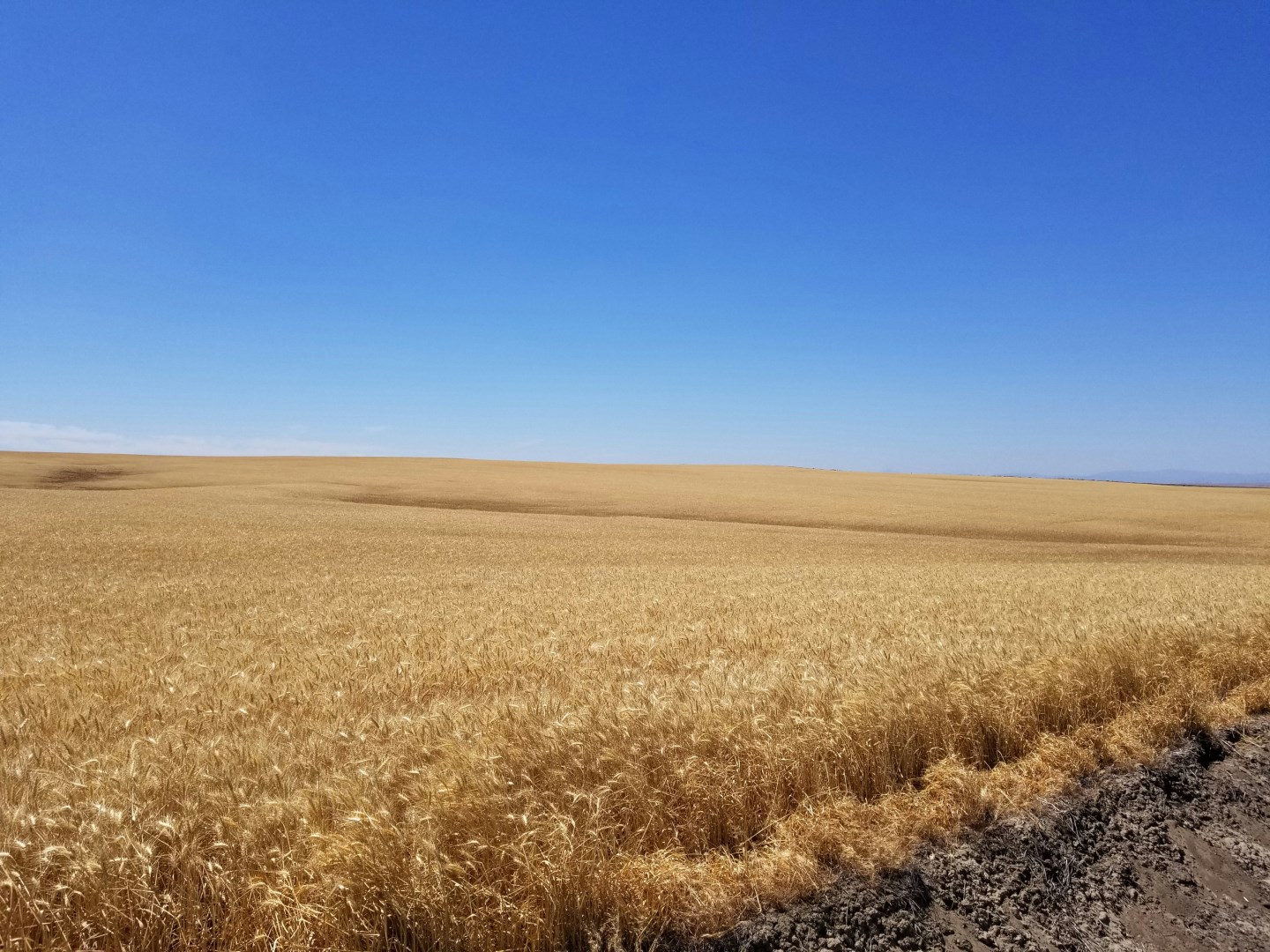
Pendleton
Pendleton, Oregon, sits in the heart of the high desert region, where wide open skies meet rolling wheat fields and the rugged Blue Mountains. The city is widely recognized for its rich history in ranching, railroads, and wool production, which visitors can explore through preserved buildings and museums. Downtown Pendleton features brick storefronts, murals, and sculptures that reflect the city’s connection to both the frontier and the railroad era.
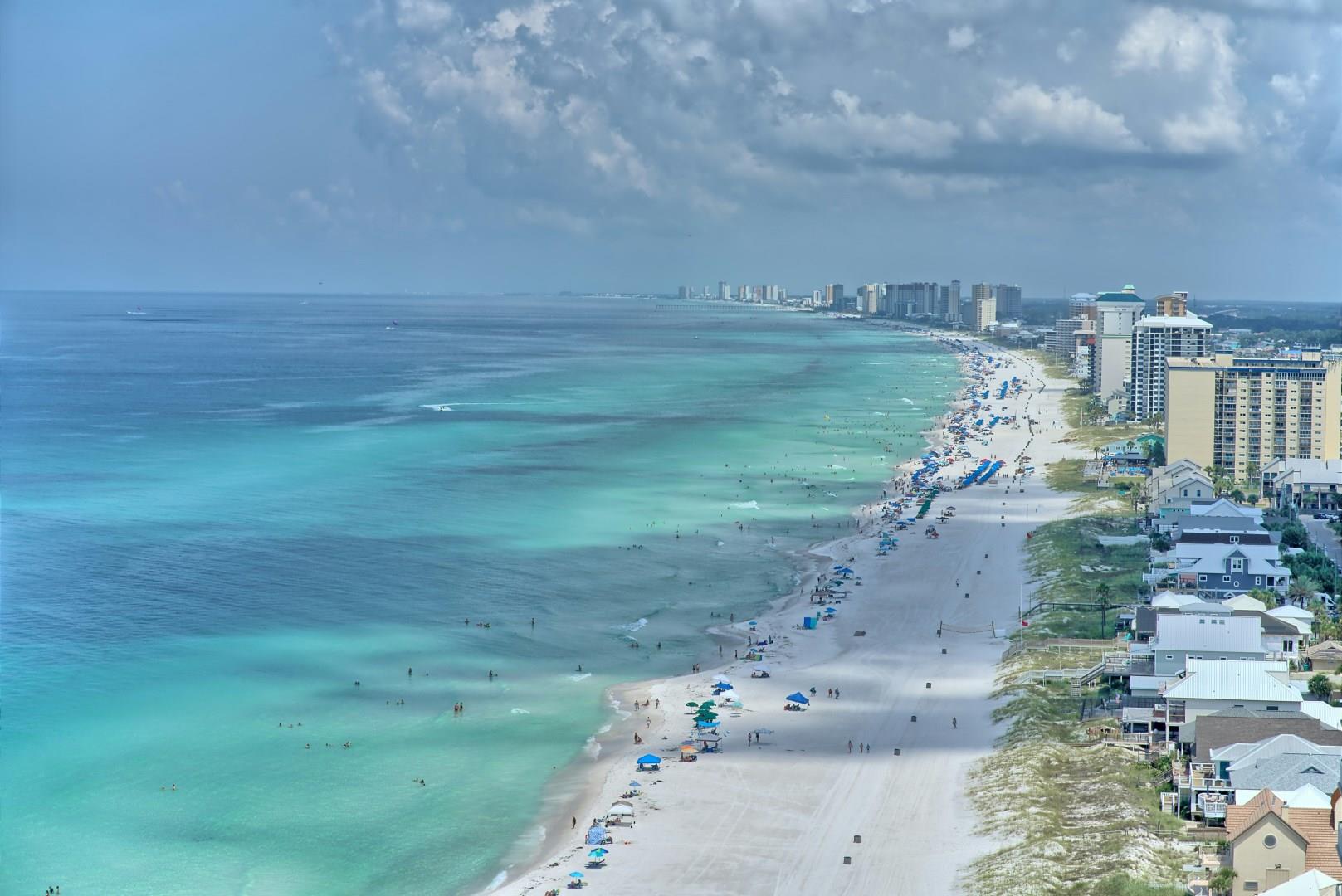
Panama City
Panama City, Florida, sits along the Gulf Coast where maritime history and modern beach culture intersect. Originally tied to shipbuilding and fishing, the city developed around St. Andrews Bay, which still anchors local identity through working marinas and long-established neighborhoods.

Loutro
Nestled on the southern coast of Crete, Loutro is a hidden gem that offers a serene and picturesque escape from the hustle and bustle of modern life. Accessible only by boat or foot, this charming village is renowned for its pristine waters and unspoiled natural beauty. The whitewashed buildings, which reflect the sun's rays, create a striking contrast against the deep blue of the Mediterranean Sea.

Sacred Valley
The Sacred Valley, located in the Andes and divided by Urubamba River, was part of the larger Inca Empire, along with Machu Picchu and the closeby town of Cusco. Tourists will see green agricultural landscapes and Spanish hamlets like Ollantaytambo and Pisac, the latter featuring a Sunday market.
