
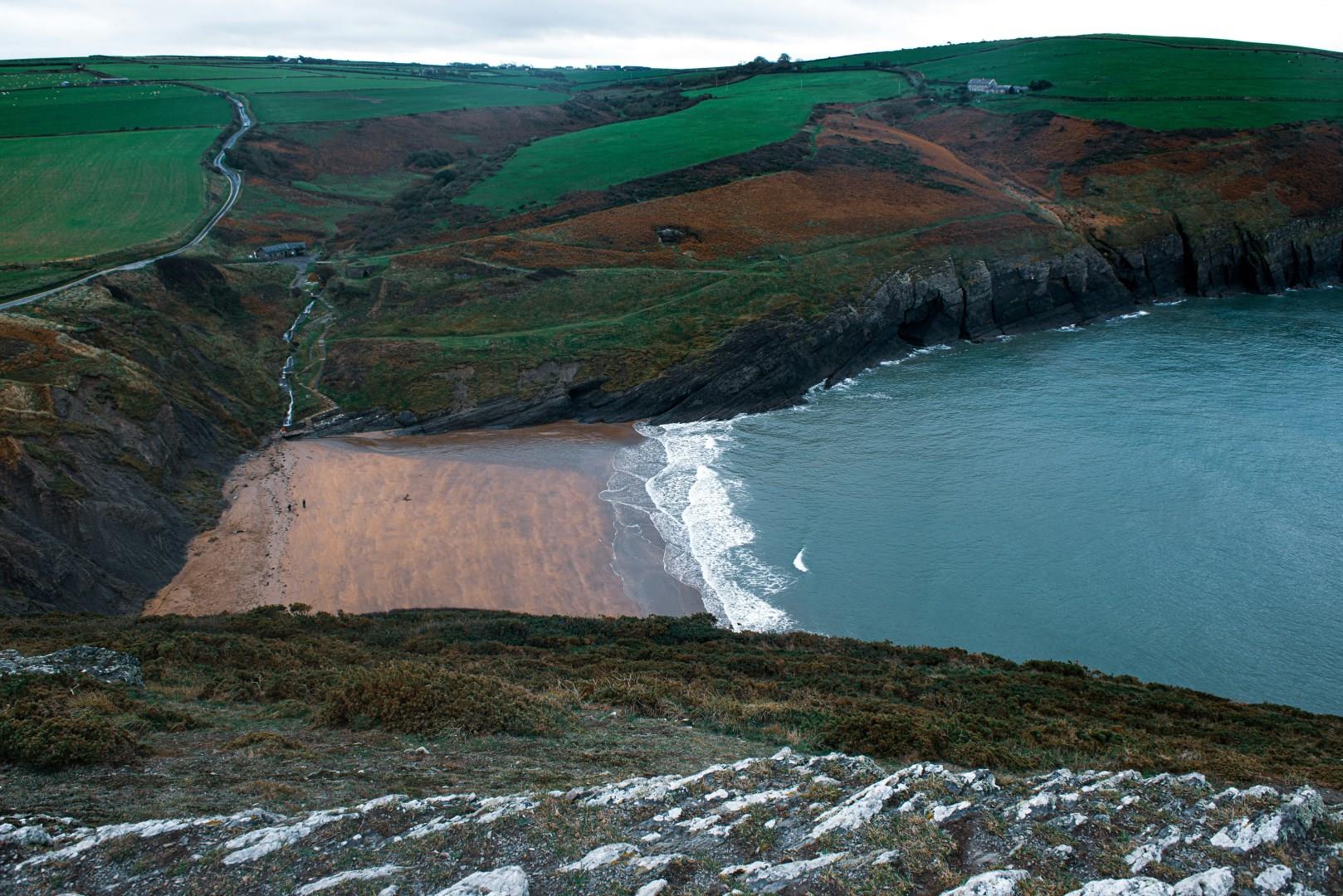
Cardigan
Cardigan sits on the west coast of Wales, where the River Teifi reaches the wide sweep of Cardigan Bay. At the heart of town stands Cardigan Castle, where battlements and gardens overlook the Teifi. The castle’s history includes the first recorded National Eisteddfod in Wales, a cultural competition of music, poetry and performance that still inspires events across the country.

Kenai
Kenai, Alaska, is a captivating destination for those seeking an authentic Alaskan experience. Situated on the Kenai Peninsula, this charming town offers stunning views of Cook Inlet and the surrounding mountains. Visitors can explore the Kenai National Wildlife Refuge, renowned for its diverse wildlife and breathtaking landscapes. Fishing enthusiasts flock to the Kenai River, which is famous for its world-class salmon runs.
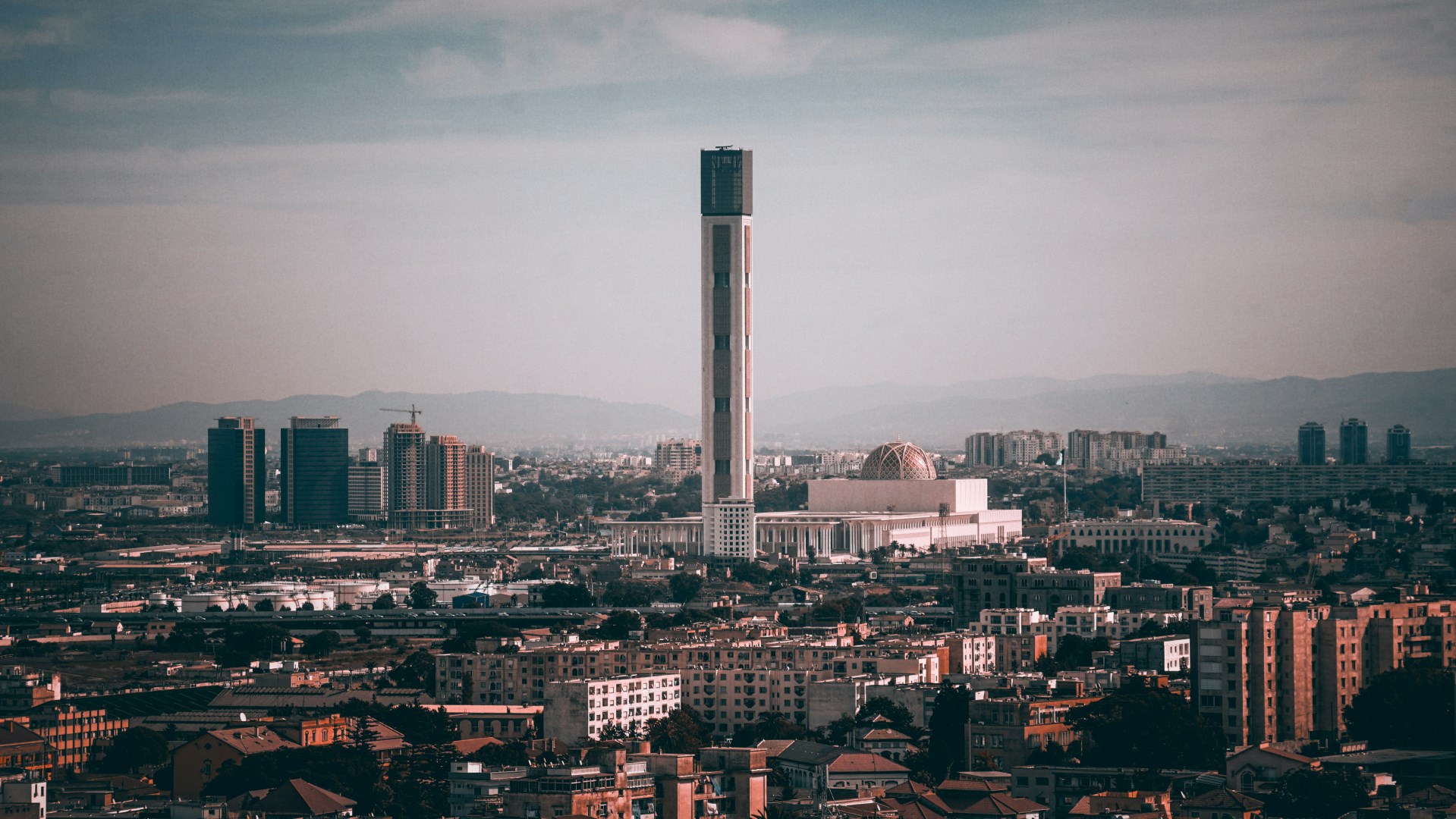
Algeria
Algeria, the largest country in Africa, offers a travel experience that’s both surprising and unforgettable. From the Mediterranean coastline to the vast expanse of the Sahara Desert, the country is full of contrast and color. In Algiers, visitors can wander the narrow lanes of the Casbah, a UNESCO World Heritage site filled with Ottoman palaces, secret stairways, and local life echoing centuries of history.

Lake Manyara
Nestled at the base of the Great Rift Valley, Lake Manyara is a hidden gem in northern Tanzania that offers an unforgettable safari experience. The lake is part of Lake Manyara National Park, which is known for its dramatic landscapes, from dense groundwater forests to grassy plains. Wildlife enthusiasts will be thrilled to explore this compact park, home to an impressive variety of animals, including elephants, hippos, and the famous tree-climbing lions.

Borgarfjörður
Borgarfjörður, nestled in the heart of West Iceland, offers a captivating blend of natural beauty and cultural heritage. The fjord, surrounded by dramatic mountains and lush green landscapes, provides a picturesque setting for outdoor enthusiasts and nature lovers. One of the highlights of the area is the magnificent Hraunfossar waterfalls, where crystal-clear water cascades over lava fields into the Hvítá River, creating a breathtaking spectacle.
