

Djerba
Djerba, an island off the southern coast of Tunisia, is known for its unique blend of Mediterranean charm and North African traditions. With its whitewashed villages, sandy beaches, and palm groves, the island has long been a place where cultures and histories intersect.
Coral Coast
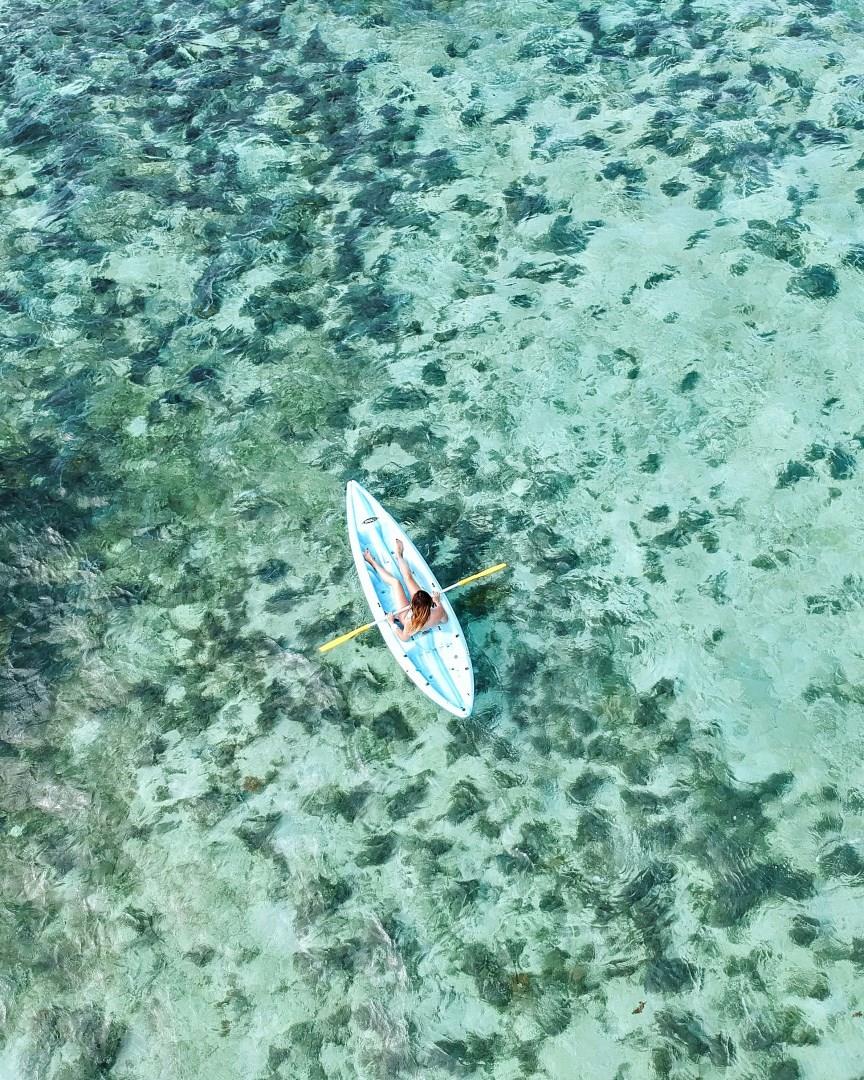
The Coral Coast stretches along the southern edge of Fiji’s main island of Viti Levu, beginning around 15 km south of Nadi and continuing toward Suva. This 80 km shoreline is dotted with beaches that widen at low tide, bays set against green hills, and a series of small townships that feel welcoming and down to earth. Sigatoka, often called the gateway to the Coral Coast, sits beside the winding Sigatoka River, where local markets brim with fresh tropical fruit and handmade crafts.

Reykholt
Nestled in the scenic Borgarfjörður region of Iceland, Reykholt is a quaint village steeped in historical significance and natural beauty. While it is well known as a center of learning and culture during the medieval period, Reykholt is also famed for its stunning landscapes and geothermal activity. The town's nearby hot springs, including the historic Snorralaug, a medieval bathhouse, offer a unique opportunity to soak in waters that have been enjoyed for centuries.
Hellsylt
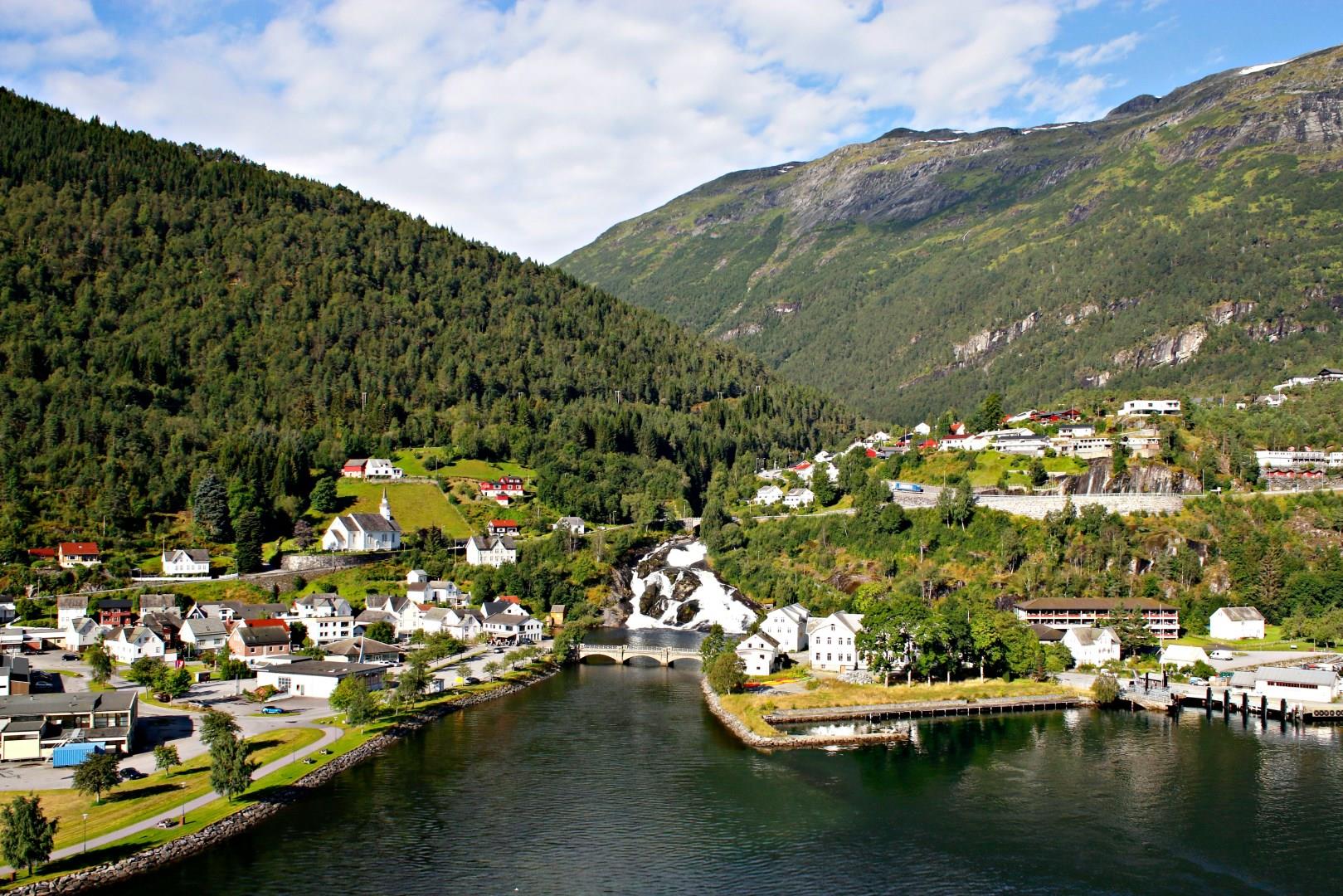
Hellesylt, a small village on Norway’s western coast, sits at the entrance to the famous Geirangerfjord and offers scenery that feels almost otherworldly. Steep mountains rise sharply on all sides, their slopes cut by ribbons of waterfalls that plunge into deep blue water. One of the most striking sights is the Hellesylt Waterfall, which thunders past the heart of the village and can be admired from several pedestrian bridges.

Pisek
Písek, a picturesque city in the South Bohemian Region of the Czech Republic, is a hidden gem steeped in history and charm. One of its most notable landmarks is the Písek Stone Bridge, the oldest preserved bridge in the country. Built in the 13th century, this Gothic bridge spans the Otava River and is a testament to medieval engineering.
