

Wrangell
Nestled at the confluence of the Stikine and Wrangell Rivers, Wrangell, Alaska, offers a unique blend of history, culture, and natural beauty. This charming city, with its rich Tlingit heritage and historic sites, is an ideal destination for those seeking an authentic Alaskan experience.
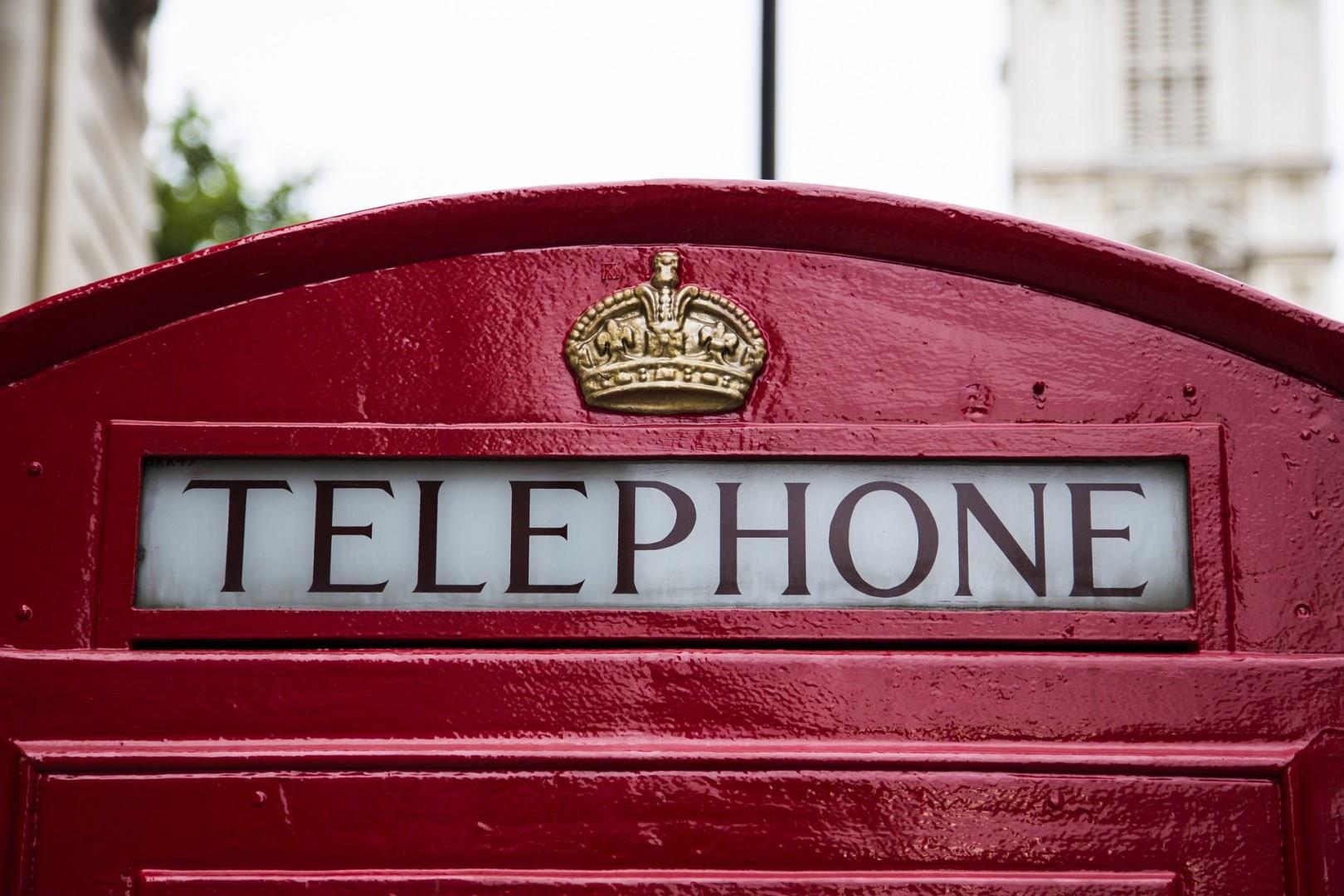
England
Welcome to England. The green hills, the noble woodlands, the perfect flowering of architecture and remarkable cultural heritage beckon visitors from around the globe.

Grožnjan
Nestled in the heart of Istria, the charming town of Grožnjan offers an enchanting escape into a world where history and art seamlessly blend. Often referred to as the "City of Artists," Grožnjan is renowned for its vibrant cultural scene and picturesque medieval architecture. As you wander through its narrow, cobbled streets, you'll encounter well-preserved stone houses, quaint squares, and an array of art galleries and studios showcasing the work of local artists.

Punakha
Punakha sits in one of Bhutan’s most fertile valleys, cradled where the Mo Chhu and Pho Chhu rivers meet. For centuries it served as the kingdom’s capital and remains a place rich with stories woven through its fields, temples, and riverbanks. The city’s low elevation brings warmer weather than much of Bhutan’s highland regions, and rice paddies fill the landscape with vivid green during planting and golden hues at harvest.

Warsaw
Warsaw stands as one of Europe’s most resilient cities, having rebuilt itself almost entirely after World War II. The Old Town, meticulously reconstructed using paintings by Italian artist Bernardo Bellotto, feels centuries old but is, in fact, less than a hundred years in its current form. Behind the medieval facades lie stories of uprisings, resistance, and quiet defiance. Visitors walking through Castle Square can enter the Royal Castle, where Poland’s Constitution of May 3, 1791 was adopted.
