
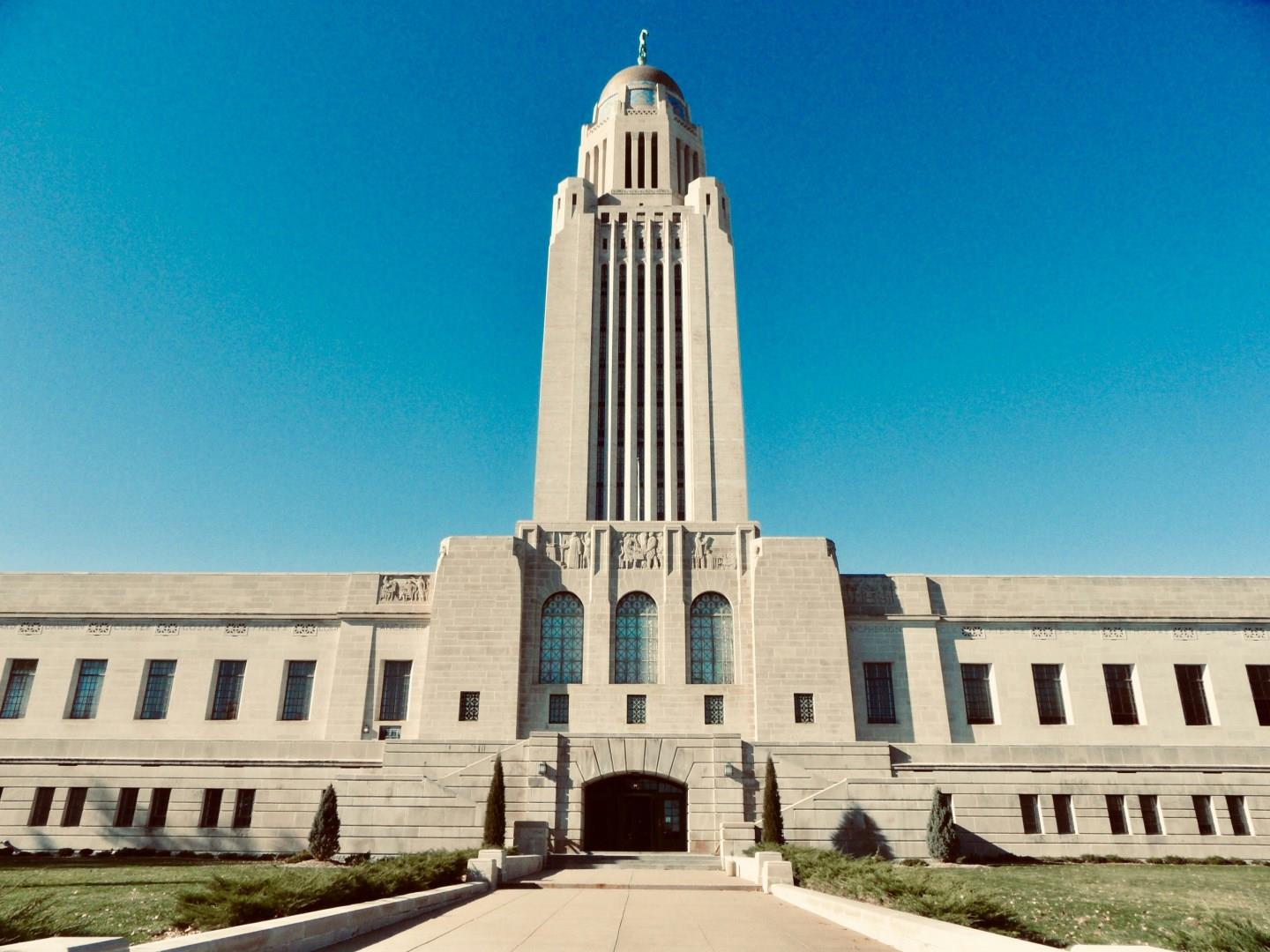
Lincoln
Lincoln, Nebraska, blends college-town spirit with prairie roots, offering a travel experience that’s both laid-back and surprising. As the state capital, Lincoln is home to the stunning Nebraska State Capitol building, an architectural landmark with a 400-foot tower topped by a bronze sower casting seeds over the land. Visitors can tour the building and ride to the 14th floor observation deck for sweeping views of the city and surrounding plains.
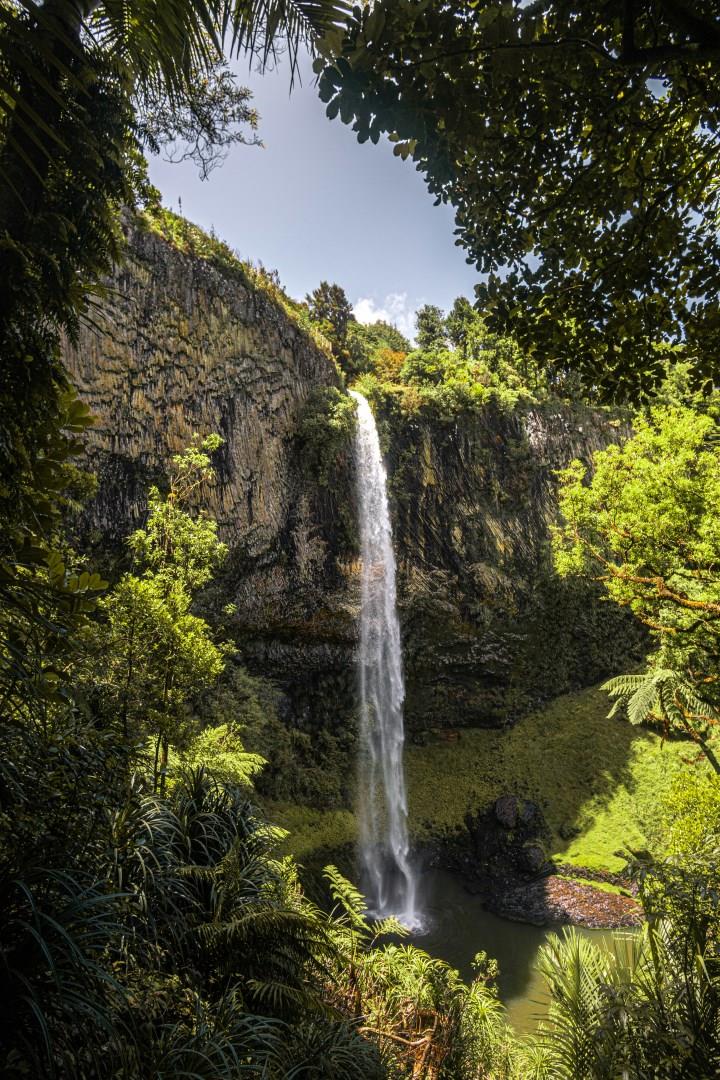
Raglan
Raglan, on New Zealand’s North Island, is a coastal town that has earned international renown for its surf culture while retaining a bohemian, community-centered spirit.

Cusco
Cusco once served as the heart of the Inca Empire, and that legacy still shapes every corner of the city even as it serves as a gateway to Machu Picchu. Outside the historic center, the ruins of Sacsayhuamán overlook the city from a nearby hilltop. This ceremonial complex is best known for its massive zigzag stone walls, some weighing over 100 tons. During the Inti Raymi festival in June, thousands gather here to reenact ancient Andean rituals.
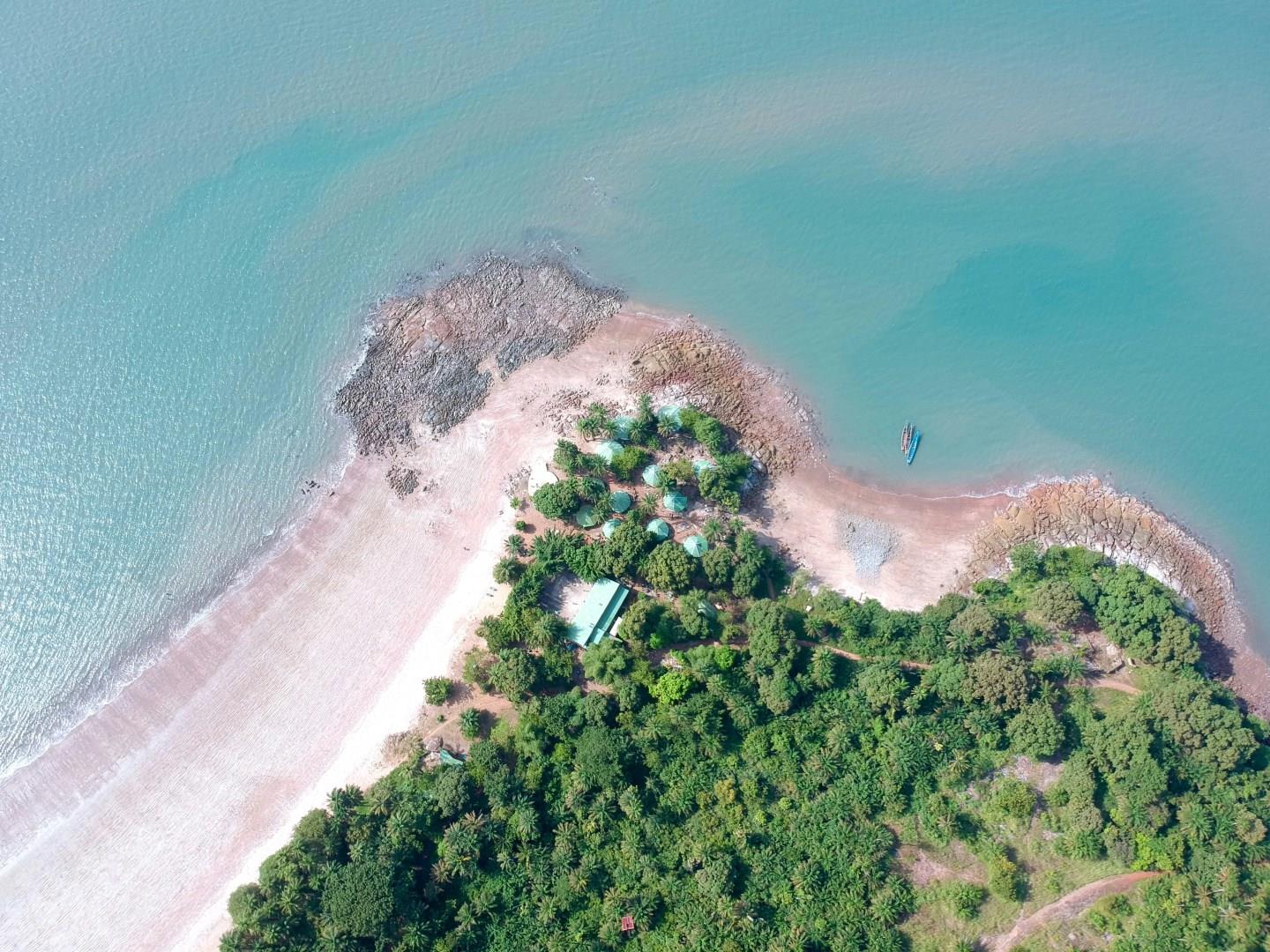
Kaloum
Kaloum, the bustling central district of Conakry, serves as the political, commercial, and cultural heart of Guinea’s capital.
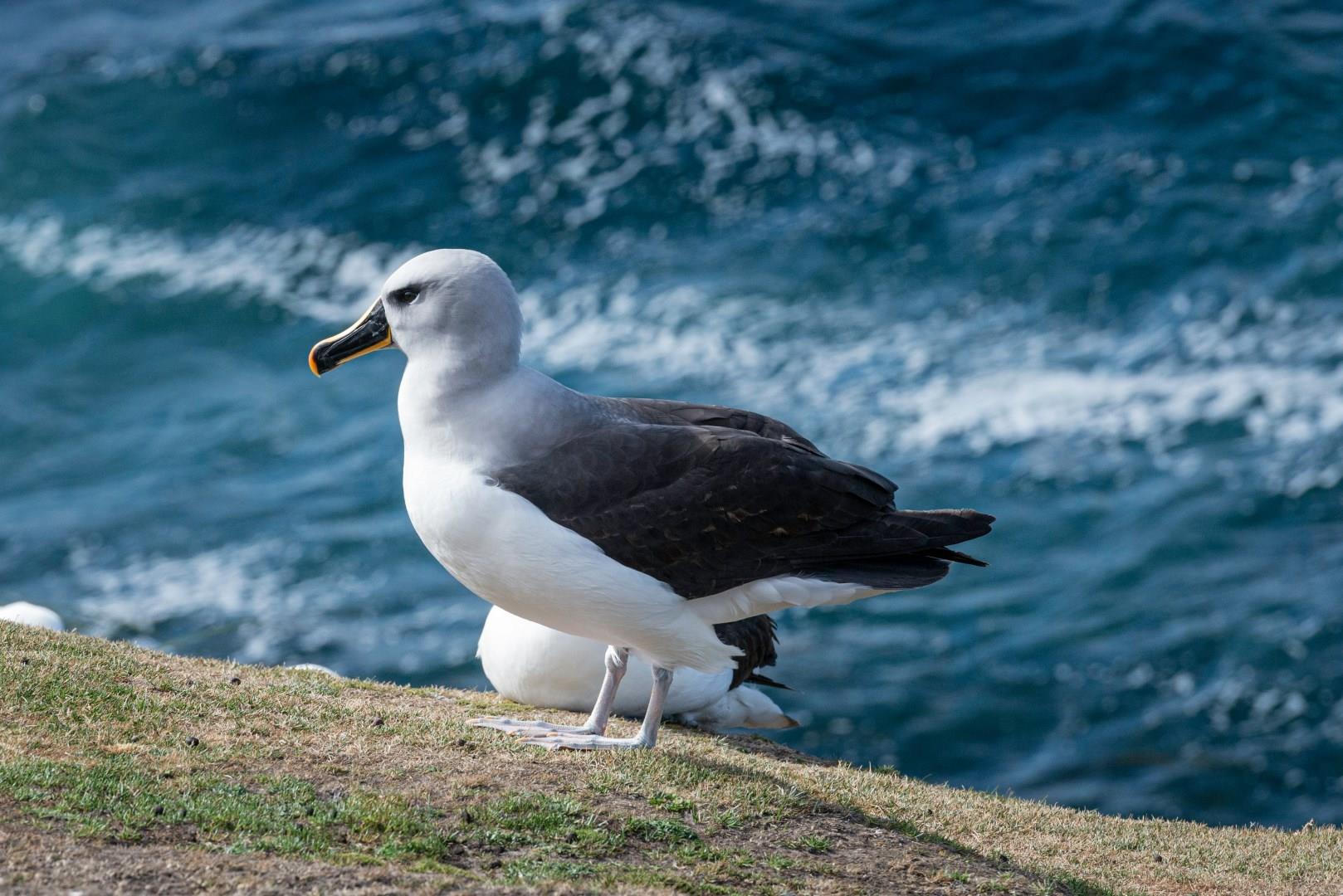
Saunders Island
Saunders Island, located in the northwestern part of the Falkland Islands, is a haven for wildlife enthusiasts and history buffs alike. This remote and rugged island, covering over 49 square miles, offers visitors the chance to experience nature at its most pristine. Saunders Island is one of the few places in the world where you can observe five species of penguins, Gentoo, King, Magellanic, Rockhopper, and the occasional Macaroni, all in one location.
