
La Palma
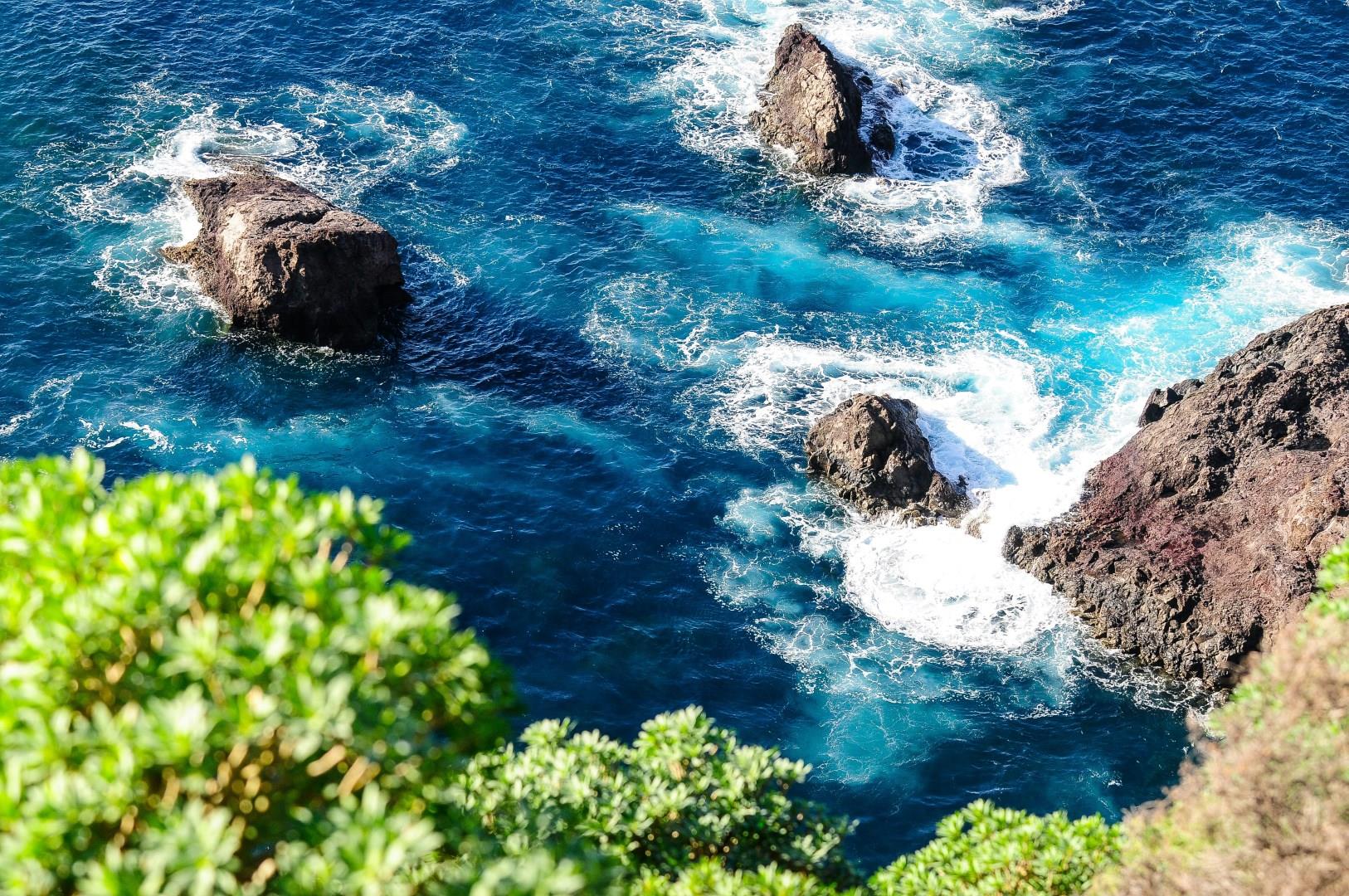
La Palma (also San Miguel de La Palma) is the fifth of Spain's Canary Islands. This mountainous volcanic island is a natural wonder of tropical vegetation. Its coast is lined by jagged cliffs and plunging ravines, and its beaches are covered with black sand. Thanks to dry climate and the height of its mountains creating excellent observation conditions, La Palma has become the home of some of the world's largest telescopes, seated on the rocky ridge called El Roque de los Muchachos.

Grand Canyon
Stretching 277 miles in length and more than a mile deep, this vast canyon reveals layers of geologic time stacked like pages in a book. Standing on the South Rim, visitors can look out over colorful cliffs and winding trails that have drawn explorers, artists, and travelers for generations. The views change with the light starting with crimson at sunrise, golden at sunset, and every hue in between.

Canary Islands
The Canary Islands, a Spanish archipelago off the northwest coast of Africa, offer far more than just sunshine and beaches. Made up of eight main islands, each with its own personality, the Canaries are a place where lunar landscapes, cloud forests, volcanic peaks, and historic towns coexist within short travel distances. On Tenerife, Mount Teide looms over a landscape of solidified lava and craters that look like a science fiction set.

La Goulette
La Goulette, a charming port town just north of Tunis, is a delightful destination for travelers seeking a blend of history, culture, and seaside relaxation. Known for its vibrant atmosphere, La Goulette offers visitors a chance to explore its bustling markets, enjoy fresh seafood at local restaurants, and relax on its beautiful beaches.
Lesotho
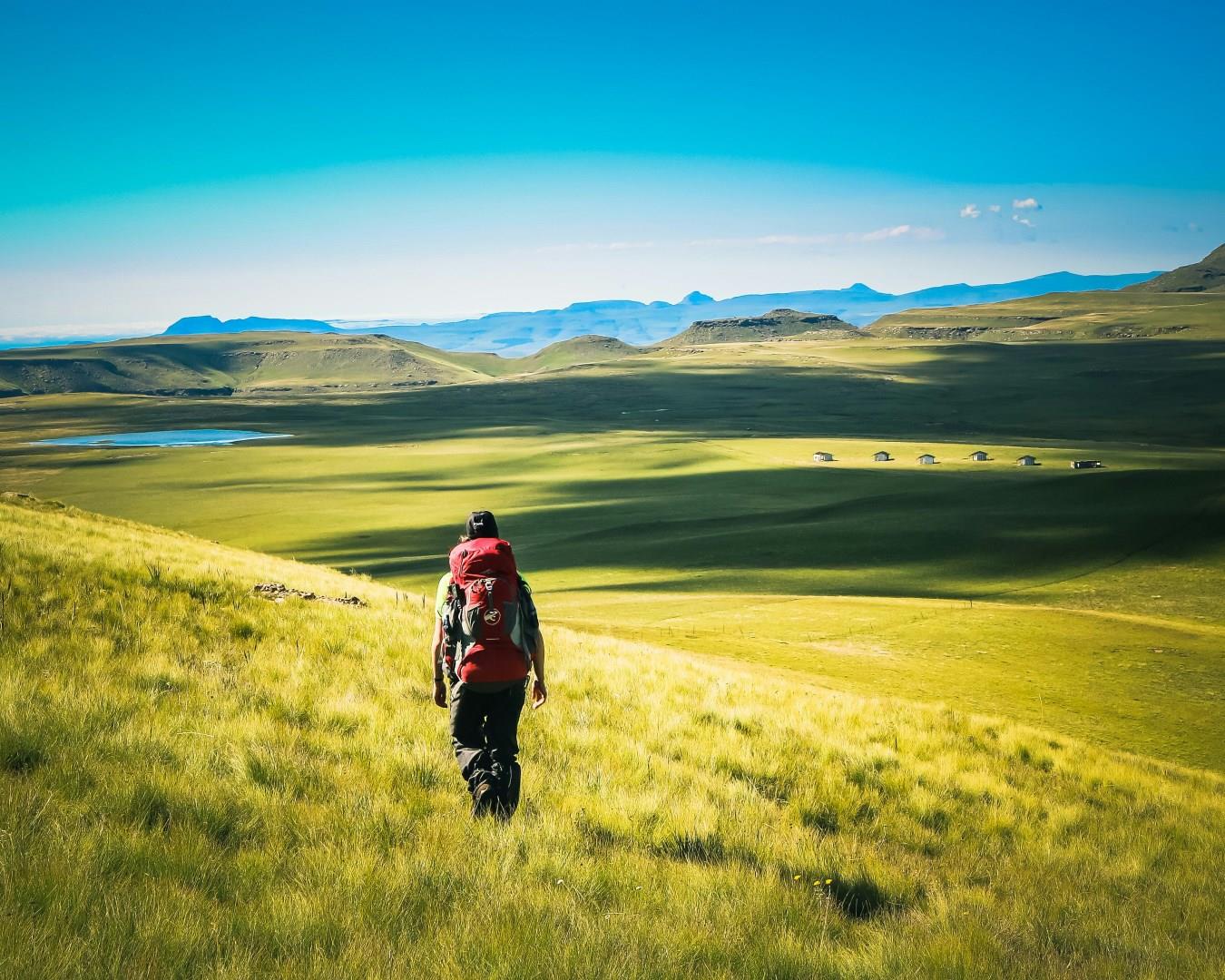
Lesotho, known as the “Kingdom in the Sky,” is a landlocked nation entirely surrounded by South Africa, famed for its dramatic mountain landscapes and rich cultural traditions.
