
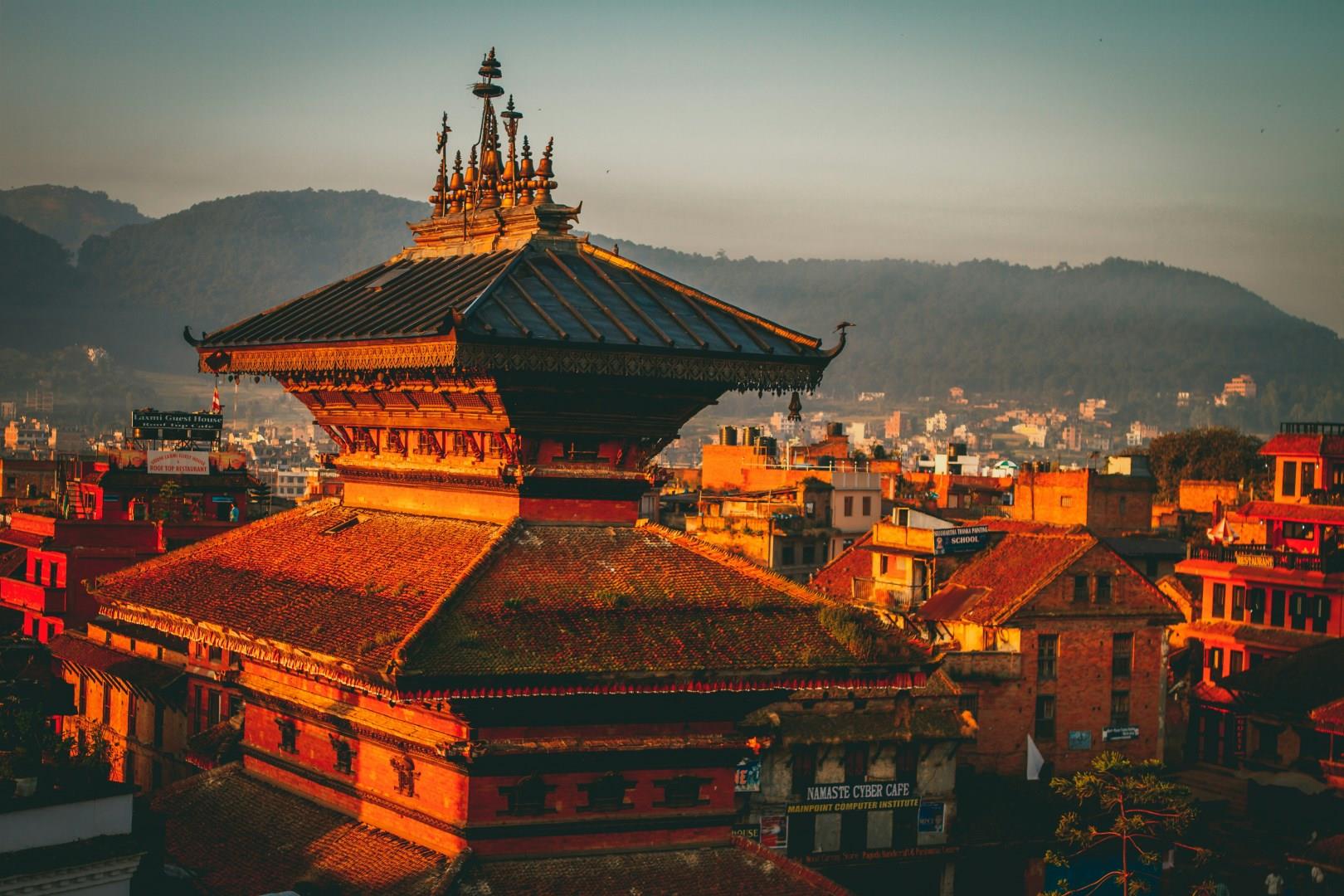
Bhaktapur
Bhaktapur, located just east of Kathmandu in Nepal, is a city where time seems to slow. Famous for its well-preserved medieval architecture, it is often called a “living museum” due to its abundance of temples, palaces, and courtyards.
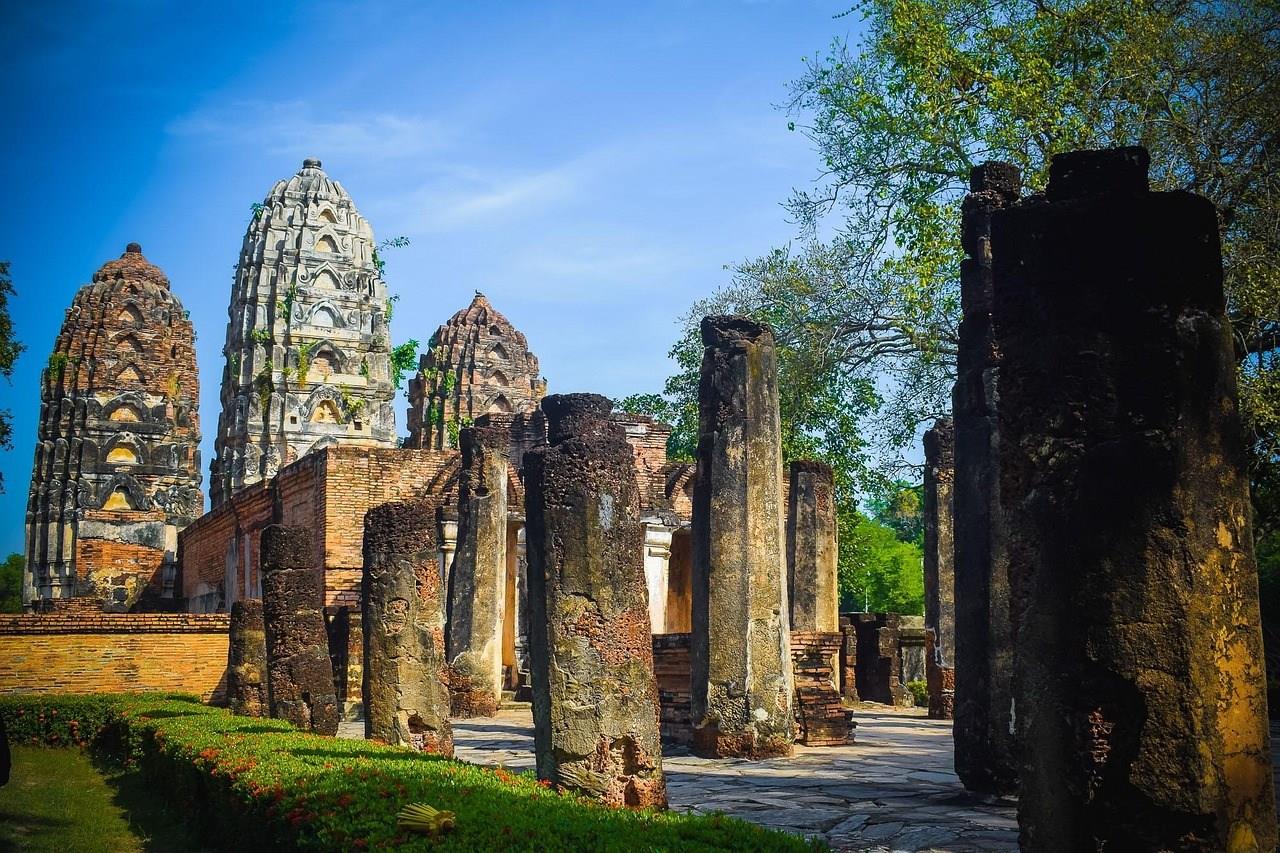
Sukhothai
Sukhothai, located in north-central Thailand, was once the capital of the first independent Thai kingdom in the 13th century. Today, it’s best known for the Sukhothai Historical Park, a UNESCO World Heritage Site filled with stone temples, lotus-filled moats, and ancient Buddha statues. The park spans over 70 square kilometers and features more than 190 ruins.

Isafjördur
Gaze in awe at the majestic beauty of Icelandic fjords in Isafjordur, a small and remote fishing village on the coast of Iceland. Once a hub for maritime activities, Isafjordur is now a cultural center and offers a variety of museums to immerse you in the culture and history of the region.

Santa Cruz de Tenerife
The city of Santa Cruz De Tenerife, located on the island of Tenerife, is a favorite stop for Transatlantic voyagers. Tenerife is both the largest and most populated of the seven Canary Islands and of Spain itself. As the island's main city, Santa Cruz De Tenerife is home to almost half of the island's population.

Juneau
Juneau's majestic sprawl and abundance of nature set it apart from most capital cities in America. Tourists arrive via air or water, many coming in on cruise ships.
