
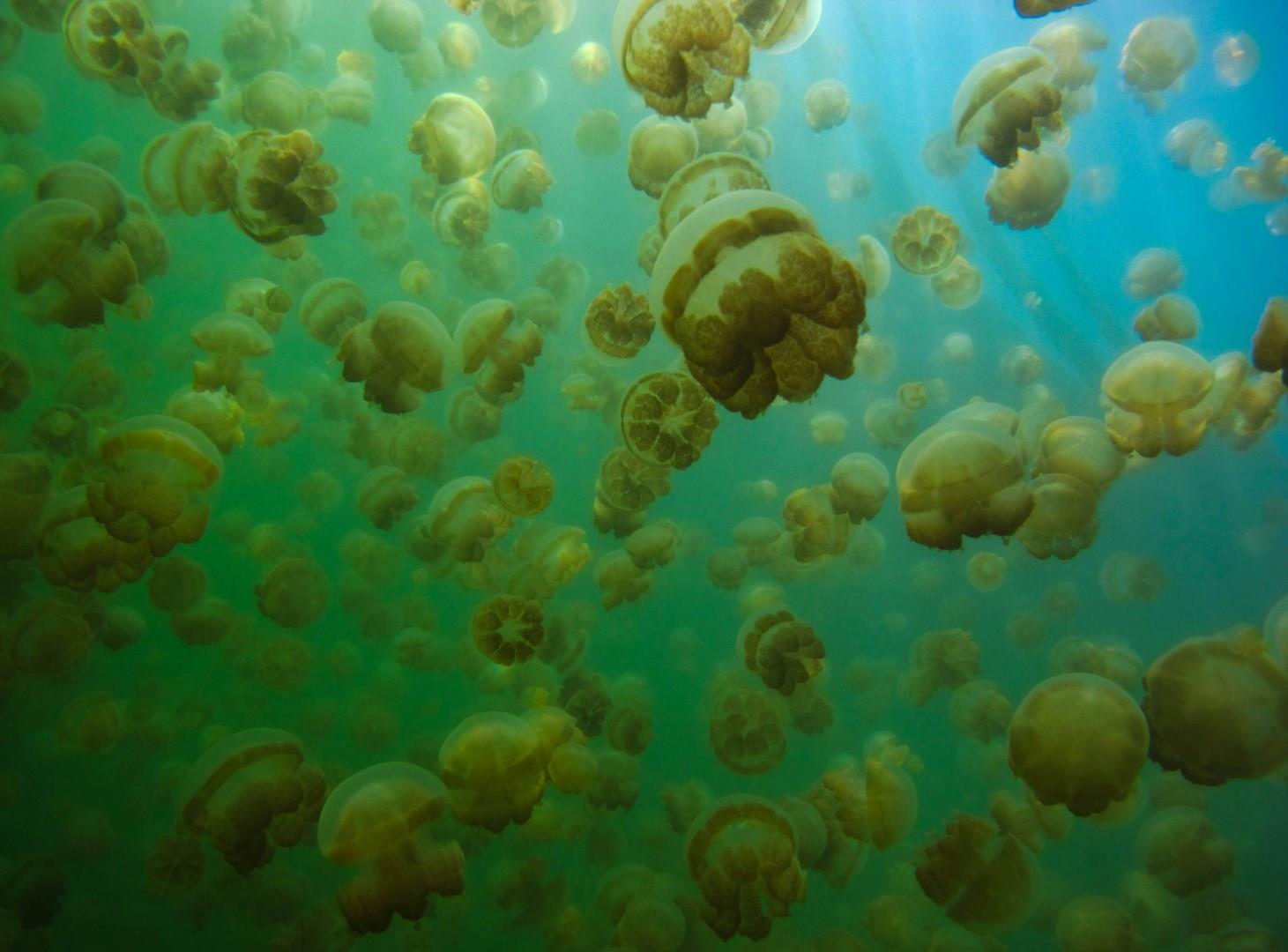
Jellyfish Lake
Jellyfish Lake is a shadowed oasis hidden among the mushroom-like Rock Islands of Palau. This forest‑fringed saltwater lake invites visitors to float with millions of gentle, stingless jellyfish that glow like drifting amber clouds under emerald light. The lake formed about 12,000 years ago, when rising seas flooded an ancient reef basin that was gradually cut off from the ocean. Over centuries, its jellyfish evolved in isolation, shedding their stings and multiplying without predators in sight.

Charleston
Charleston, South Carolina, is a gem of Southern charm and history, offering an immersive travel experience in a beautifully preserved city. Known for its cobblestone streets and antebellum architecture, Charleston's historic district is a living museum where visitors can stroll past colorful row houses and elegant mansions. Key landmarks include the Battery and Rainbow Row, a series of pastel-colored houses that are among the city's most photographed sites.

La Jolla
La Jolla, California, is a coastal gem nestled within San Diego, renowned for its breathtaking cliffs, pristine beaches, and charming village atmosphere. One of the main draws is the La Jolla Cove, a picturesque spot that offers crystal-clear waters perfect for snorkeling, kayaking, and spotting marine life, including the iconic California sea lions that sunbathe on the rocks.

Whittier
Whittier is the perfect place to explore Alaska's natural beauty, providing access to nearby Emerald Cove Trail and Portage Pass Trail as well as Chugach State Park further northwest.
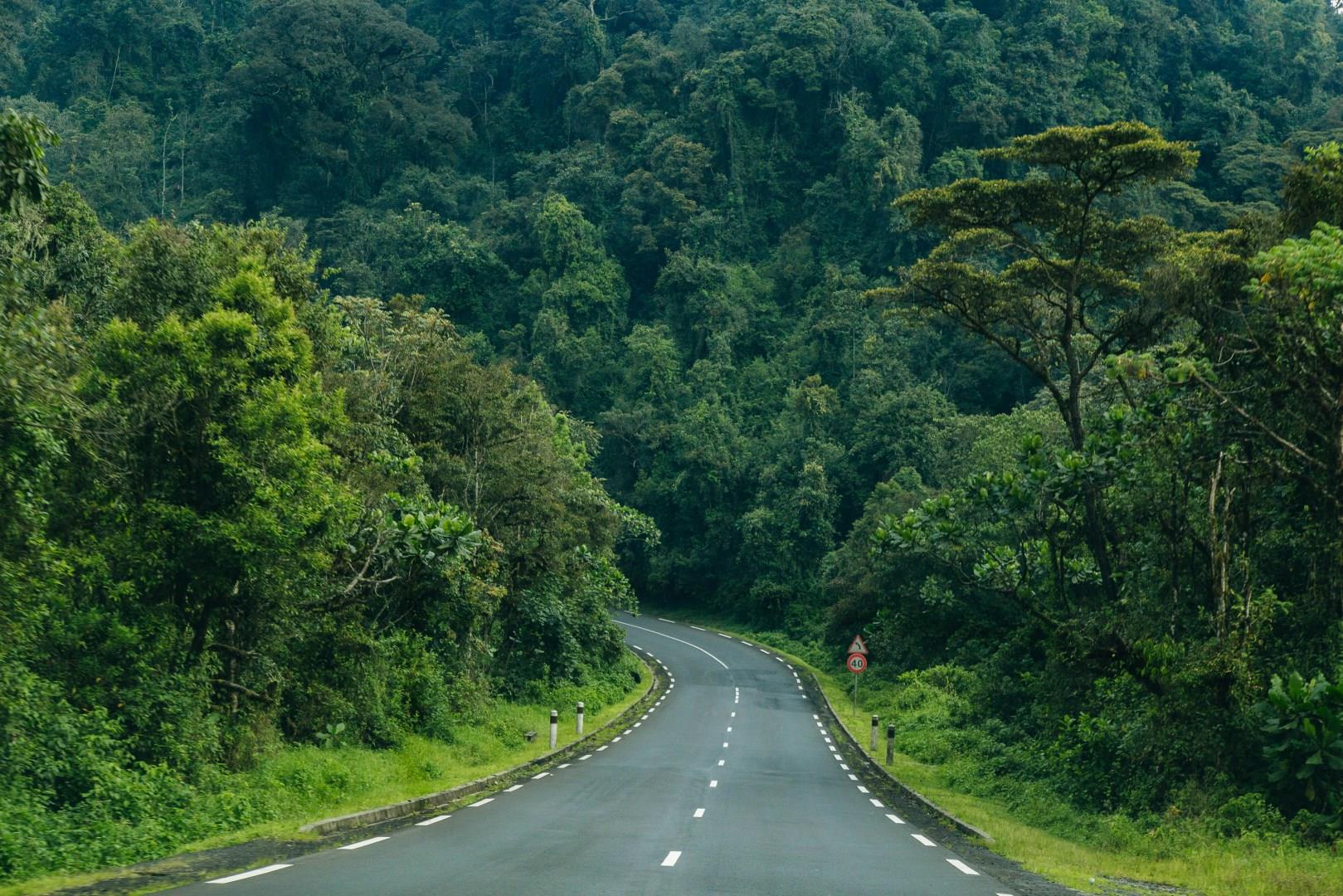
Nyungwe Forest National Park
Nyungwe Forest National Park, in southwestern Rwanda, is one of Africa’s oldest rainforests and a sanctuary of biodiversity. Spanning more than 1,000 square kilometers, the park shelters a wealth of wildlife, including over 300 bird species, 1,000 plant species, and an impressive 13 primate species.
