
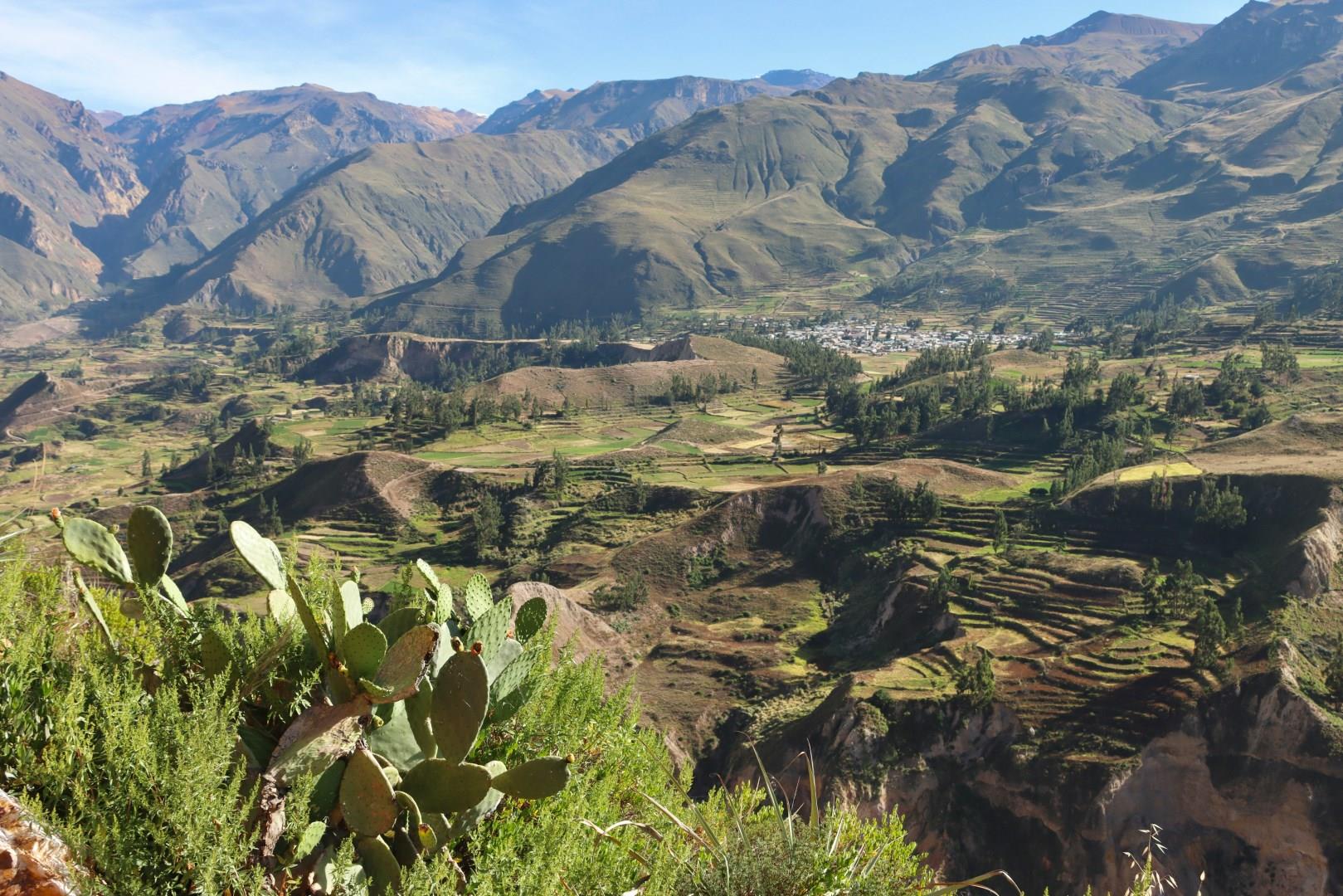
Colca Canyon
Colca Canyon, located in southern Peru’s Arequipa region, is one of the deepest canyons in the world, twice as deep as the Grand Canyon in some areas. What makes it stand out even more is how human settlements have coexisted with the landscape for centuries. Along its walls, pre-Inca agricultural terraces still hold crops like corn and quinoa. One of the main draws of the canyon is the opportunity to see Andean condors in flight.

Grand Turk
Grand Turk, the historic and administrative heart of the Turks and Caicos Islands, offers a blend of heritage and relaxed island charm. The small capital of Cockburn Town is lined with 18th- and 19th-century colonial buildings, pastel-colored cottages, and narrow streets that reflect the island’s ties to the salt trade and British colonial past.
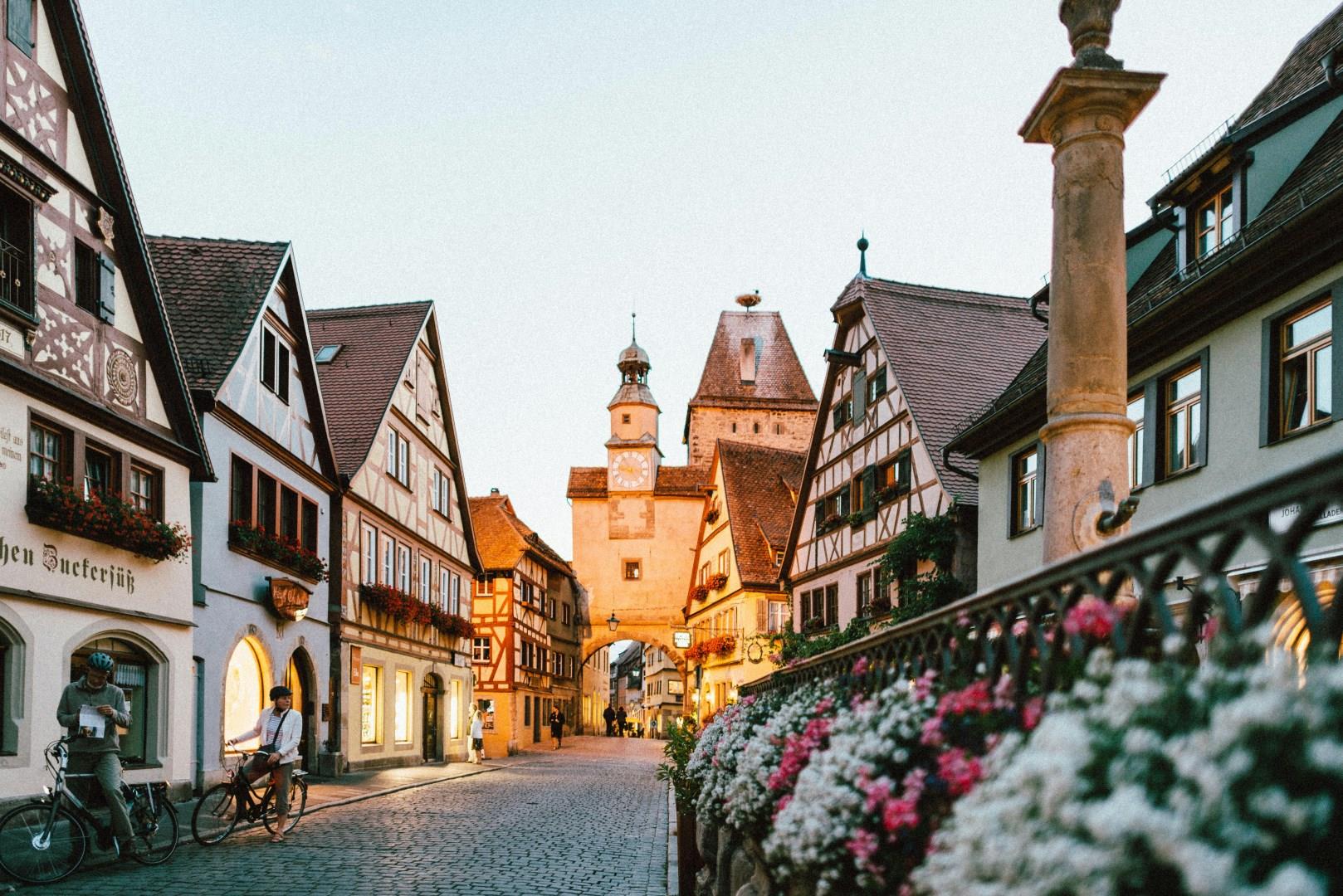
Rothenburg
Rothenburg ob der Tauber rises above the Tauber River in Bavaria, where its medieval town center has stood largely unchanged for centuries, making it one of Germany’s most vivid windows into the past. This old walled city stretches along cobblestone streets where half-timbered houses, ancient towers, and narrow alleys invite visitors to wander and imagine life in the Middle Ages.
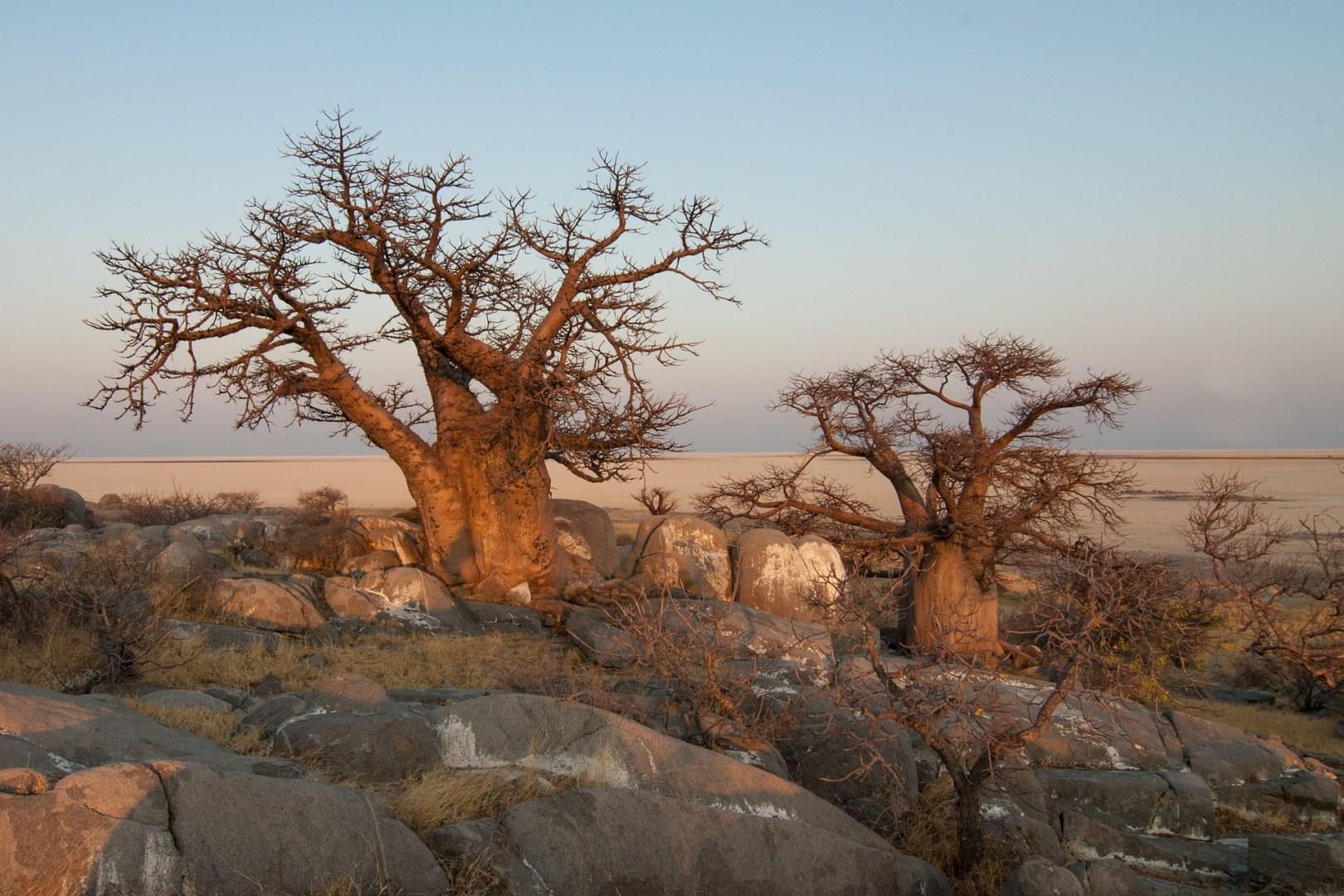
Botswana
Botswana, a jewel of southern Africa, offers a captivating blend of natural beauty and unique wildlife experiences. The country is renowned for its pristine wilderness areas, including the Okavango Delta, a UNESCO World Heritage site. This sprawling inland delta floods annually, creating a lush oasis in the Kalahari Desert. Here, visitors can explore a maze of waterways and lagoons by traditional mokoro canoe, spotting a rich array of wildlife such as elephants, hippos, and various bird species.

Zanzibar
Zanzibar Island, off the coast of Tanzania, is a captivating destination where history and natural beauty converge. The island’s Stone Town, a UNESCO World Heritage Site, is a maze of narrow alleys, vibrant markets, and historical buildings. Wander through the bustling Darajani Market, where local spices, textiles, and crafts create a sensory feast.
