
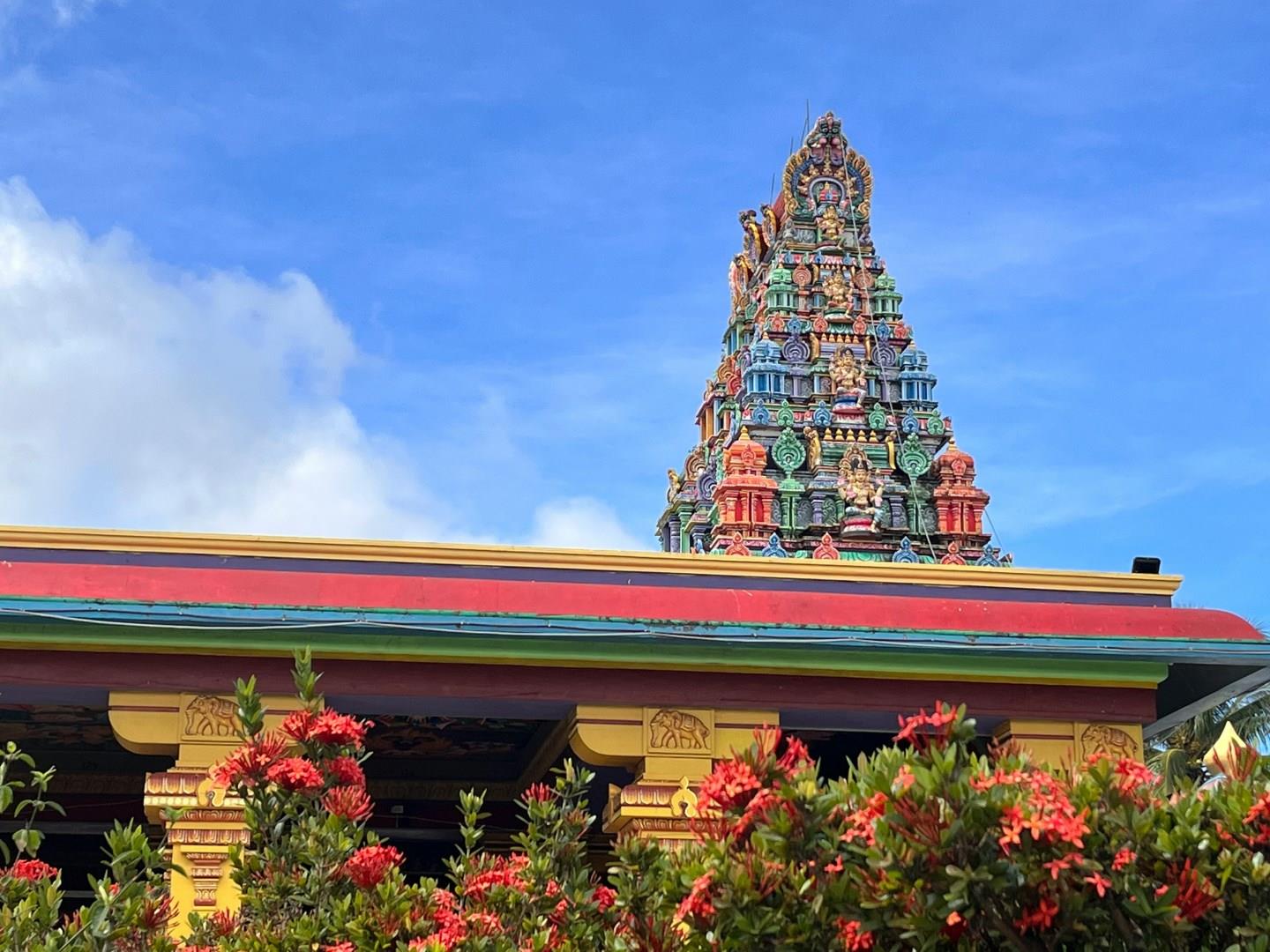
Depart Nadi for onward travel arrangements
Nadi, a vibrant city on Fiji's western coast, offers a gateway to some of the South Pacific's most enchanting experiences. Known for its bustling markets and lively atmosphere, Nadi is a hub of culture and activity. A must-see is the Sri Siva Subramaniya Temple, the largest Hindu temple in the Southern Hemisphere, renowned for its intricate Dravidian architecture and colorful frescoes. The temple’s vibrant and spiritual ambiance provides a glimpse into Fiji's rich Indian heritage.
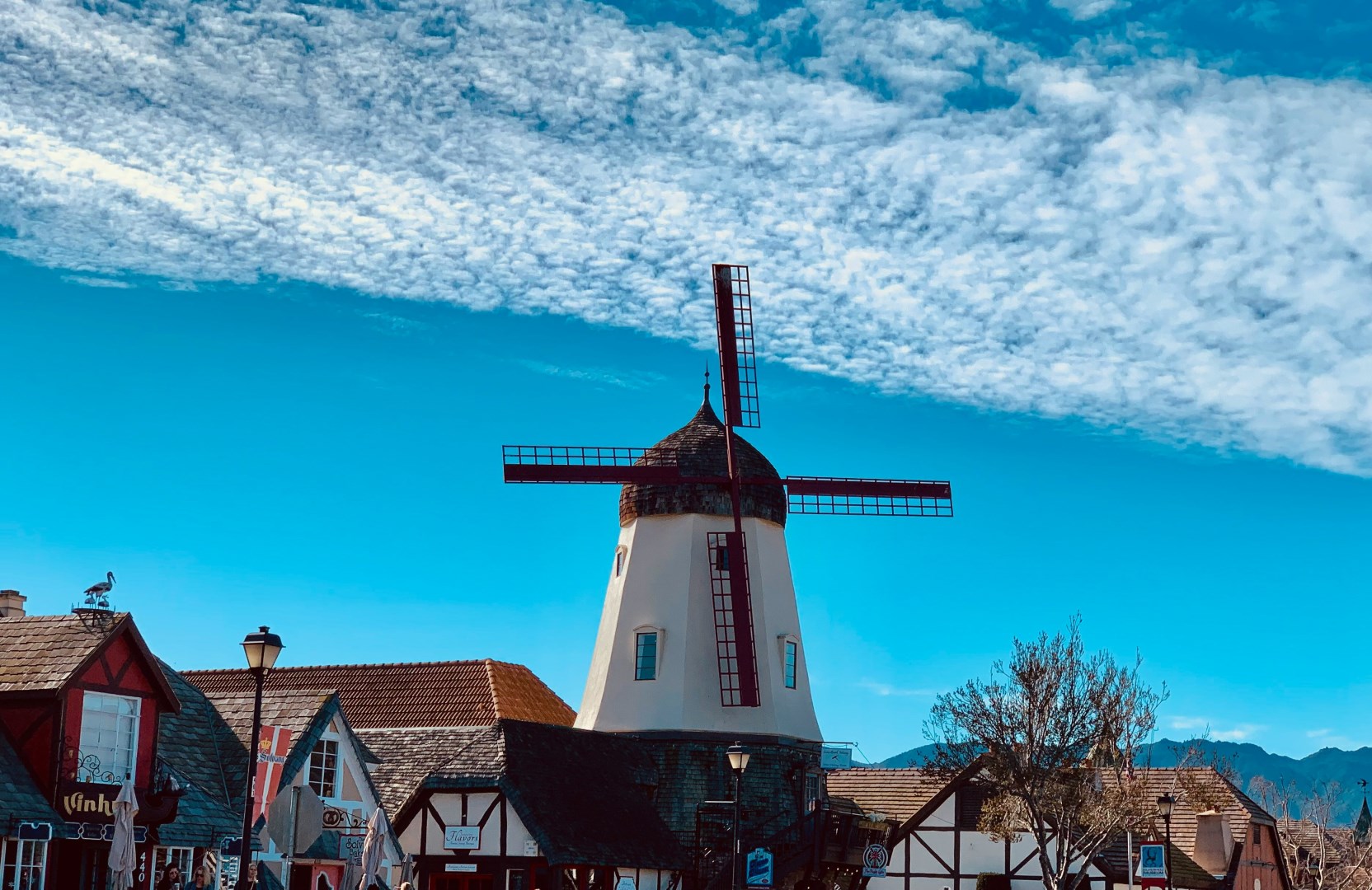
Solvang
Solvang is a small town in California’s Santa Ynez Valley known for its Danish-style streets, windmills, and half-timbered buildings. Founded by Danish immigrants, the town was designed to preserve language, customs, and architecture associated with Denmark while adapting to the Central Coast landscape.

Las Vegas
Las Vegas, Nevada, is an electrifying city where glitz and glamour meet entertainment and excitement. Known as "The Entertainment Capital of the World," Las Vegas offers an unparalleled array of attractions, from its iconic casinos and luxurious hotels to its world-class dining and live shows. The city's entertainment scene is second to none, featuring legendary headliners, cutting-edge performances, and an array of themed attractions.
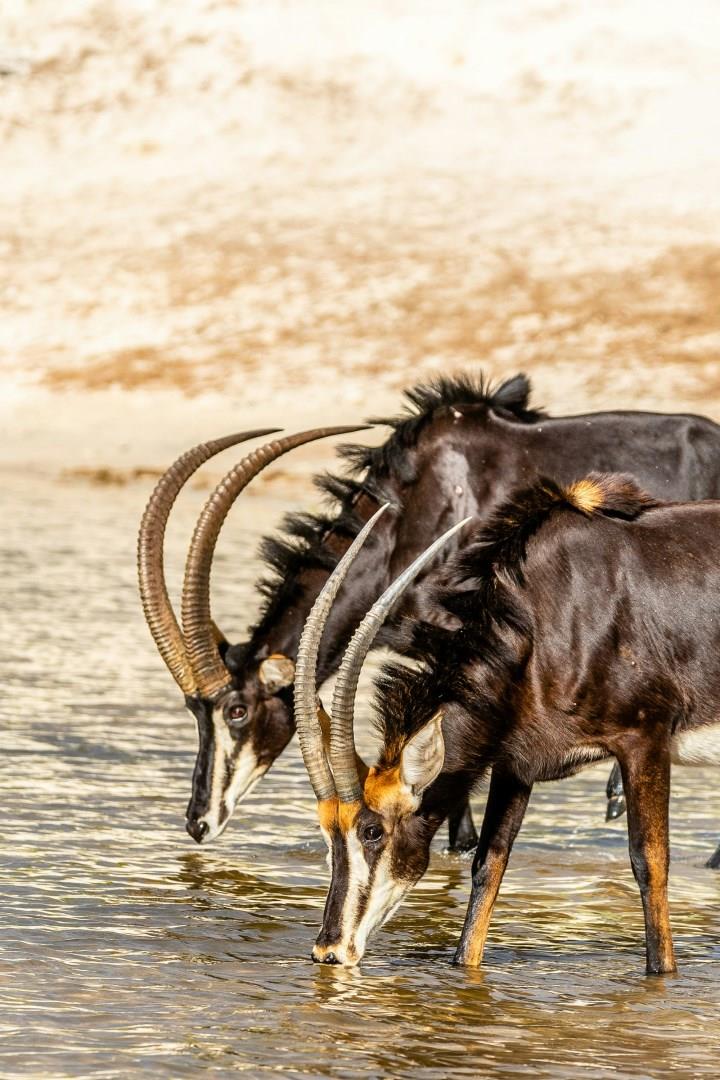
Linyanti Wildlife Reserve
Linyanti Wildlife Reserve, tucked into the northern reaches of Botswana near the Chobe River, is a remote and pristine safari destination known for its rich biodiversity and exclusivity. Covering more than 275,000 acres of wilderness, the reserve is defined by floodplains, lagoons, woodlands, and savannah, creating a mosaic of habitats that sustain an impressive array of wildlife.
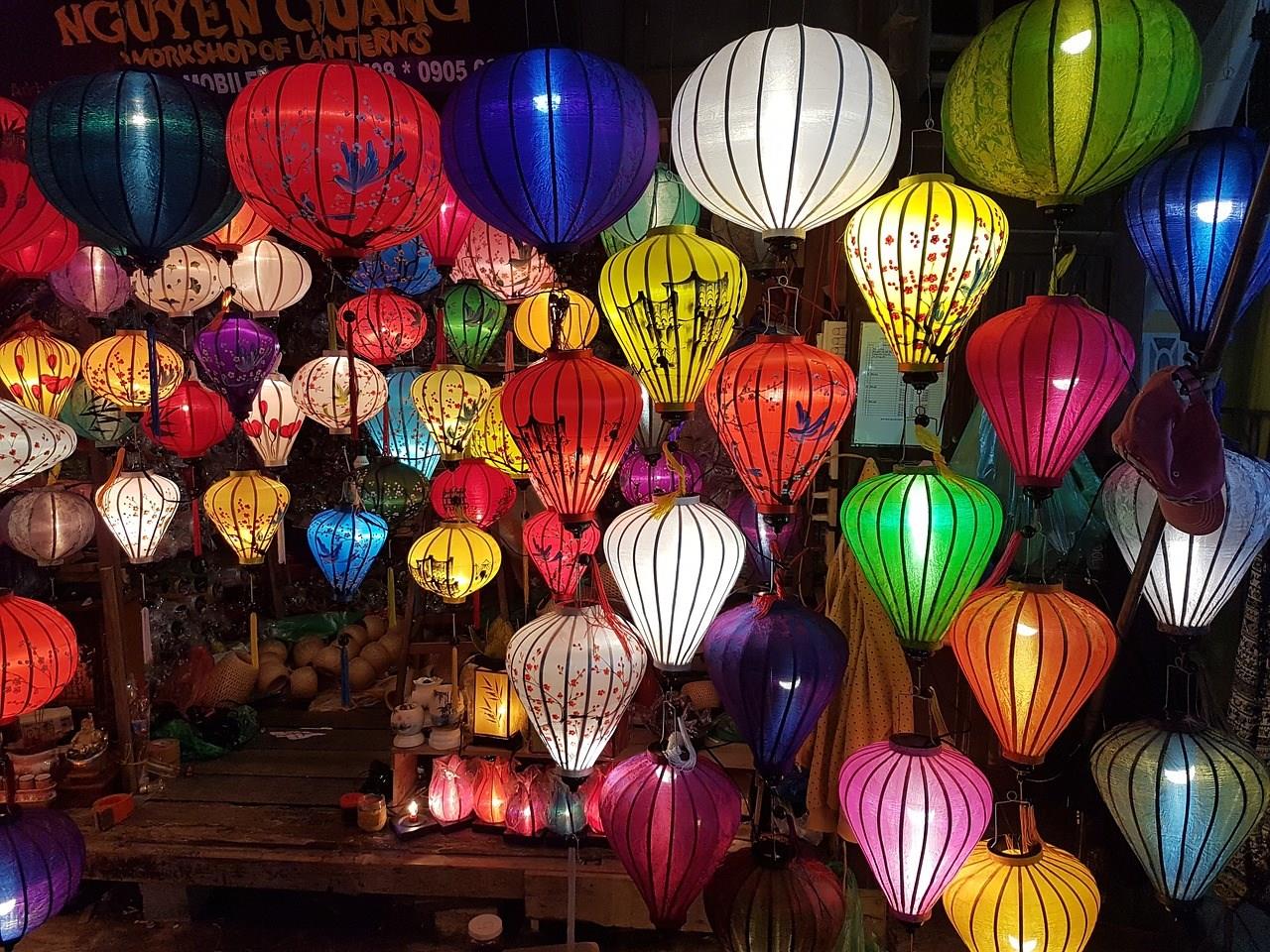
Hoi An
A former trading port and now a fascinating itinerary stop for any Vietnam traveler, Hoi An's illuminated lanterns beckon you. Each lunar month on the 14th day, electric lights are turned off in favor of traditional lanterns. Must-sees in this well-preserved locale include Quan Cong Temple, the 1700s-era Japanese Covered Bridge, An Bang Beach with its white sands, and Hoi An Night Market, abuzz with local sellers offering food and unique wares.
